EU acknowledges Syrian government as key counterterrorism actor in northeast Syria
 13 oC
13 oC 
Güneşli

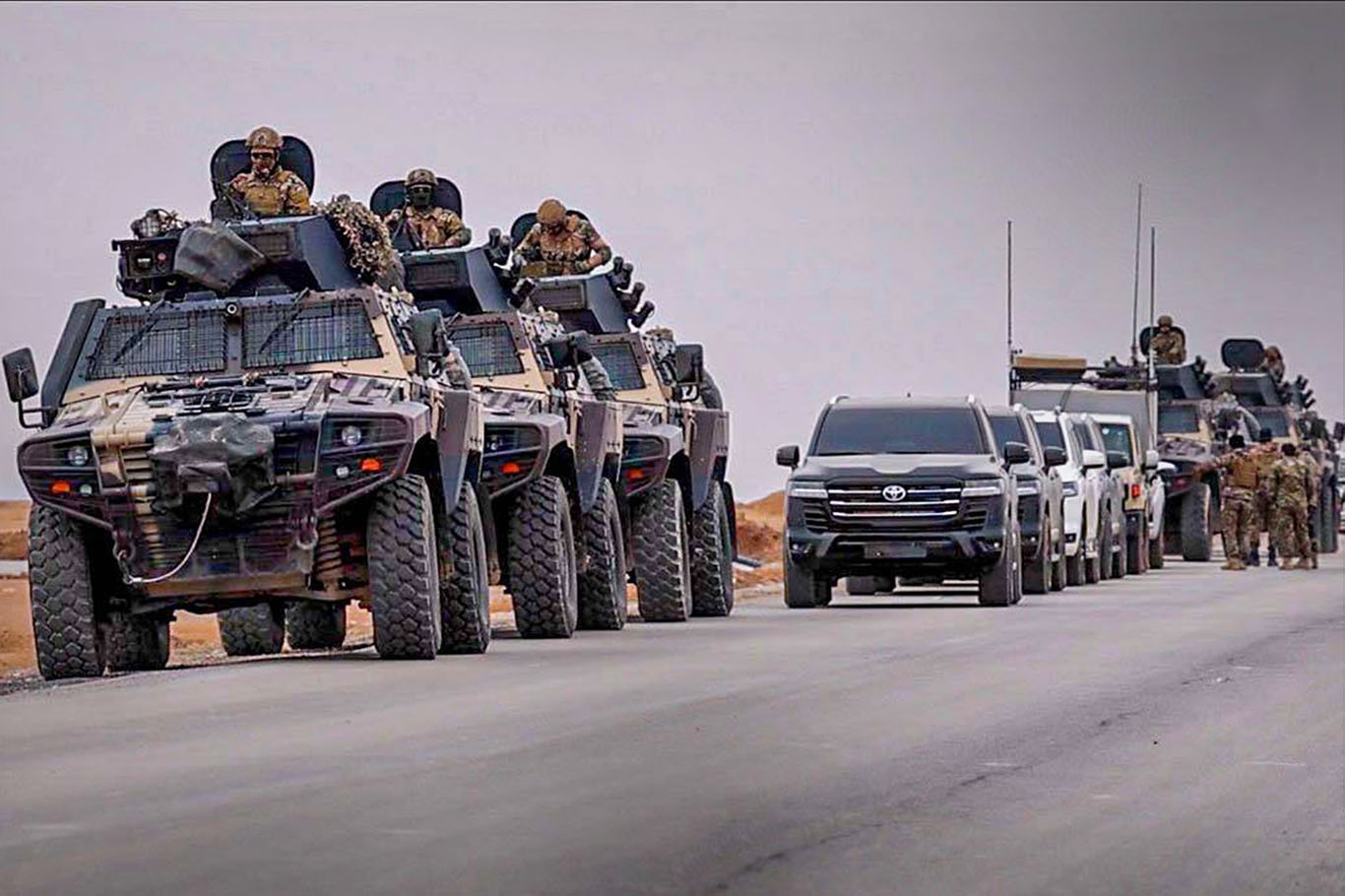
European Union officials have acknowledged that the Syrian government has become the primary actor in counterterrorism efforts in the country, as security control in parts of Hasakah province shifts back under Damascus’ authority.
Speaking at a session of the European Parliament, EU Commissioner for the Mediterranean Dubravka Suica said the Syrian government is now a key interlocutor in addressing security threats, noting that recent developments on the ground have brought renewed attention to regional stability risks. Suica emphasized that Damascus plays a central role in maintaining security amid changing dynamics in northeastern Syria.
Her remarks followed reports that Syrian army units have re-established control over wide areas in Hasakah’s countryside. Of particular significance is the transfer of the al-Hol camp—previously under the control of the PKK/YPG-led Syrian Democratic Forces (SDF)—to state authority, a move widely seen as altering the balance of power in the northeast. International media have also reported on the Syrian government assuming responsibility for security and administration at al-Hol, one of the region’s most sensitive sites.
On January 18, the Syrian government announced a ceasefire and integration agreement with the PKK/YPG-led SDF, aiming to incorporate the group’s military and civilian structures into state institutions. However, Damascus later accused the group of continuing violations of the agreement, warning of a “serious escalation.” Subsequent operations led to the reassertion of central authority across several areas in eastern and northeastern Syria.
A Syrian army operational unit stated that the phased withdrawal from certain positions around Hasakah and the deployment of internal security forces were being carried out within the framework of the agreement. The unit added that the process remains under monitoring and evaluation.
The European Union, meanwhile, reiterated that humanitarian assistance to Syria will continue but stressed that aid alone is insufficient. EU officials underlined the need for broader funding to support reconstruction and economic recovery, signaling that engagement with the Damascus administration will persist in the interest of stability.
Some European parliamentarians also warned against threats to Syria’s territorial integrity, calling for the protection of the country’s sovereignty. They argued that ongoing foreign interventions complicate stabilization efforts and hinder reconstruction.
Recent developments indicate that steps toward restoring state authority in northeastern Syria are beginning to gain international acknowledgment, reflecting a shift in both security realities on the ground and diplomatic discourse surrounding Syria. (ILKHA)
LEGAL WARNING: All rights of the published news, photos and videos are reserved by İlke Haber Ajansı Basın Yayın San. Trade A.Ş. Under no circumstances can all or part of the news, photos and videos be used without a written contract or subscription.
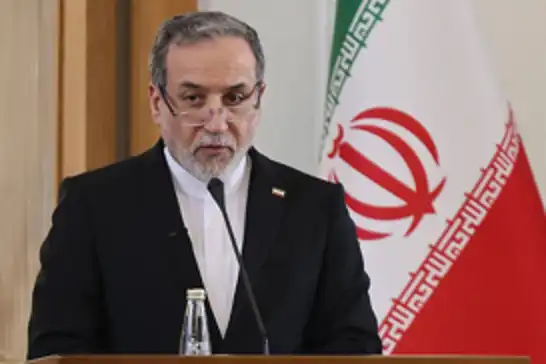
Iranian Foreign Minister Abbas Araghchi has rejected U.S. calls to include Iran’s ballistic missile program in any future agreement, stressing that the country’s missile capability is “non-negotiable.”
Iran is engaged in ongoing discussions regarding the formal recognition of Afghanistan’s Islamic Emirate, with the process expected to move forward without significant delay, according to Iran’s ambassador in Kabul, Alireza Bigdeli.
Colombian President Gustavo Petro has revealed that a planned assassination attempt against him was thwarted at the last moment after security forces received an urgent warning while he was traveling with his family.
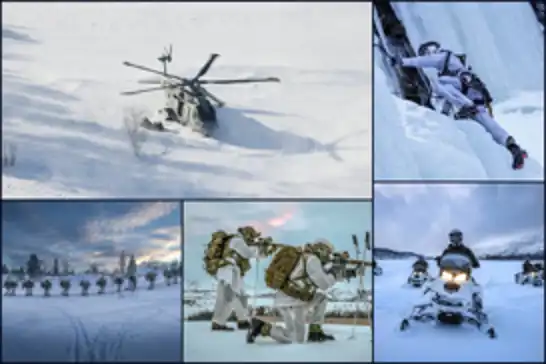
The United Kingdom will deploy thousands of troops to the Arctic as part of preparations for a potential conflict with Russia, significantly increasing its military presence in the High North in coordination with NATO allies.