UK to deploy thousands of troops to Arctic amid rising tensions with Russia
 13 oC
13 oC 
Güneşli

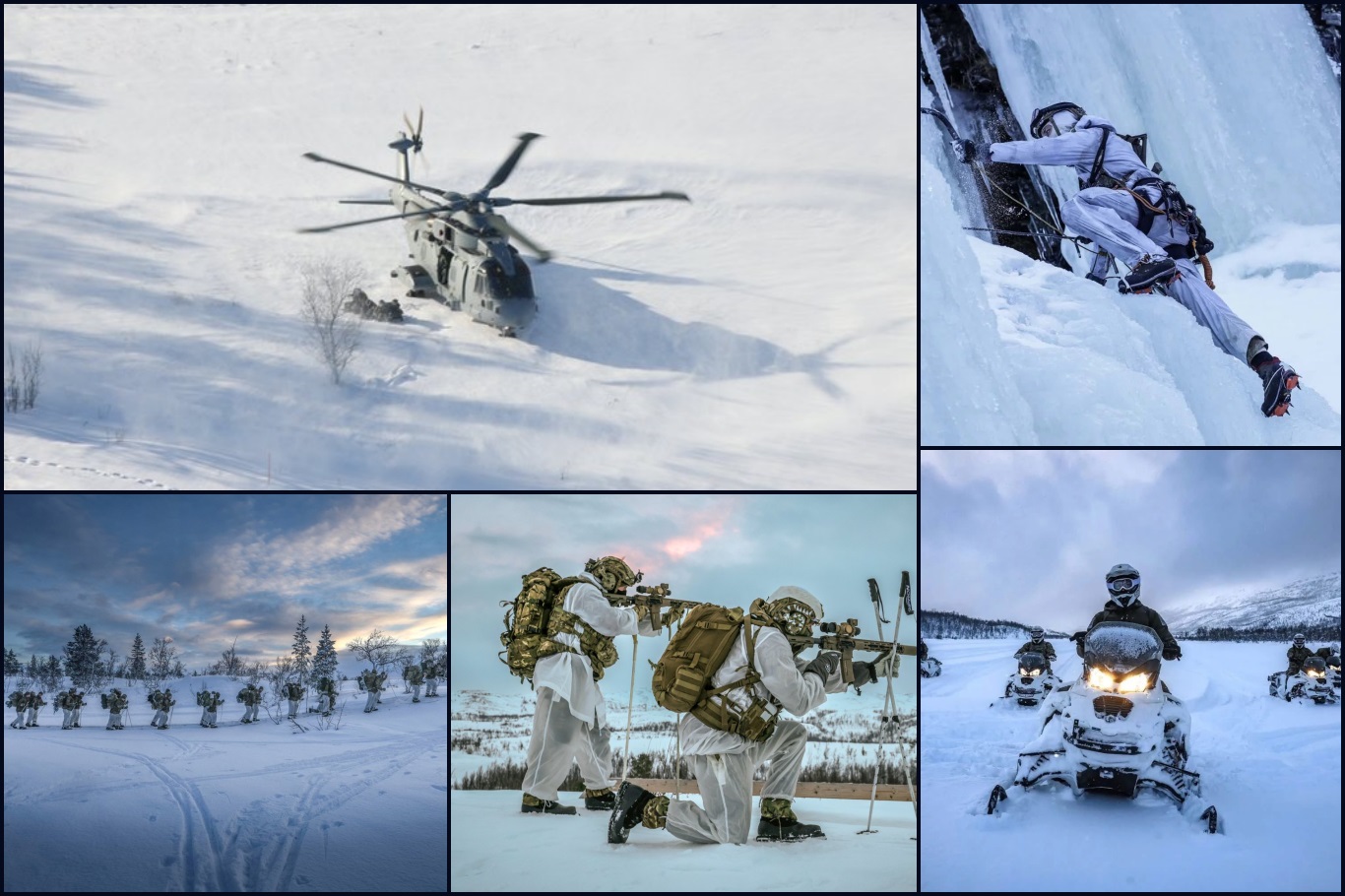
The United Kingdom will deploy thousands of troops to the Arctic as part of preparations for a potential conflict with Russia, significantly increasing its military presence in the High North in coordination with NATO allies.
Under the plans, the number of British personnel stationed at Camp Viking in northern Norway will double from 1,000 to 2,000 over the next three years, as London moves to strengthen NATO’s northern defences against what it sees as growing Russian military activity in the region.
UK Defence Secretary John Healey, speaking during a visit to the Norwegian base, said Britain would also commit forces to NATO’s Arctic Sentry mission, aimed at countering Russian threats while reinforcing security in the Arctic and High North. He added that the move would also help reassure allies, including the United States, over the security of strategically sensitive areas such as Greenland.
“Demands on defence are rising, and Russia poses the greatest threat to Arctic and High North security that we have seen since the Cold War,” Healey said. “We are seeing President Putin rapidly re-establish a military presence in the region, including the reopening of former Cold War bases.”
He said the UK was “stepping up” by expanding its troop presence in Norway and intensifying joint training with NATO partners. “We train together, we deter together, and if necessary, we will fight together,” Healey added.
As part of the expanded military posture, thousands of troops will take part in NATO’s Cold Response exercise, scheduled for March. The large-scale drills will be held across Norway, Finland and Sweden, and are intended to improve allied capabilities to defend strategically important areas, including fjords and mountainous terrain, according to the UK Ministry of Defence.
Later in the year, the UK will lead Exercise Lion Protector under the framework of the Joint Expeditionary Force (JEF). Set for September, the exercise will bring together air, land and naval forces from JEF member nations, with hundreds of troops deploying across Iceland, the Danish Straits and Norway to strengthen defence in the Arctic, High North and North Atlantic.
The renewed focus on the Arctic comes amid wider calls for stronger European defence coordination. Former chief of the UK armed forces General Sir Nick Carter has urged greater cooperation among European countries to deter Russia and maintain support for Ukraine, warning that security challenges in the region are becoming increasingly interconnected.
UK officials say the Arctic deployments reflect NATO’s broader strategy of deterrence and collective defence in response to what they describe as Russia’s expanding military footprint in the far north. (ILKHA)
LEGAL WARNING: All rights of the published news, photos and videos are reserved by İlke Haber Ajansı Basın Yayın San. Trade A.Ş. Under no circumstances can all or part of the news, photos and videos be used without a written contract or subscription.
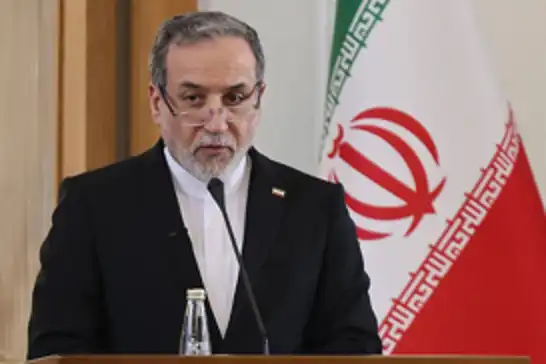
Iranian Foreign Minister Abbas Araghchi has rejected U.S. calls to include Iran’s ballistic missile program in any future agreement, stressing that the country’s missile capability is “non-negotiable.”
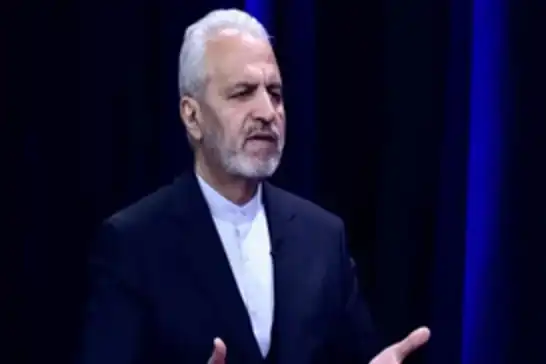
Iran is engaged in ongoing discussions regarding the formal recognition of Afghanistan’s Islamic Emirate, with the process expected to move forward without significant delay, according to Iran’s ambassador in Kabul, Alireza Bigdeli.
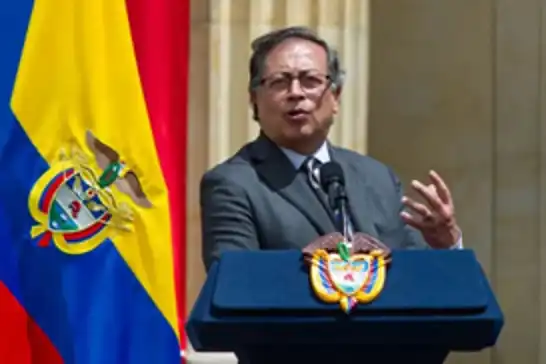
Colombian President Gustavo Petro has revealed that a planned assassination attempt against him was thwarted at the last moment after security forces received an urgent warning while he was traveling with his family.