Guterres condemns US sanctions against International Criminal Court
 13 oC
13 oC 
Güneşli

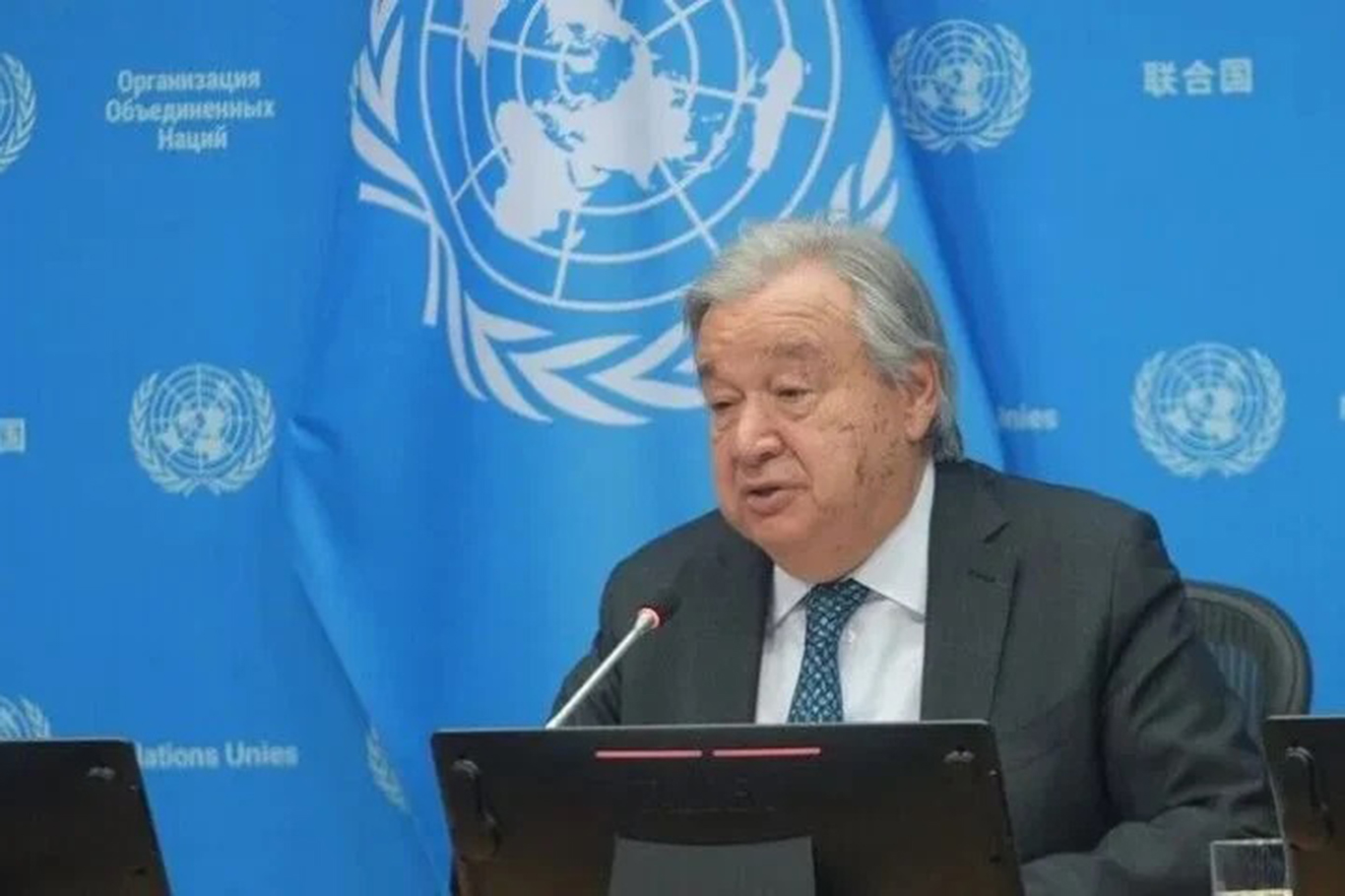
United Nations Secretary-General António Guterres has strongly condemned new US sanctions targeting the International Criminal Court (ICC) as an institution, warning that the measures could undermine its ability to pursue international criminal justice.
Guterres was “deeply alarmed” by the expected impact of the sanctions on the court’s ability to carry out its mandate, UN spokesperson Stéphane Dujarric said.
The UN chief described the move as “a serious blow to our collective pursuit of international criminal justice, of which the ICC is a key pillar,” reiterating his “unwavering support” for the independence of the court and its officials.
He also called on all states to uphold their commitments under international law. The UN, Dujarric added, remains committed to cooperating with the ICC under a relationship agreement approved by the General Assembly on Sept. 13, 2004.
The US announced the sanctions on Friday, with Secretary of State Marco Rubio vowing to “dismantle the ICC, brick by brick” unless it ends what Washington describes as threats to US citizens.
Rubio said the measures would prohibit transactions with the court, cut off its resources and undermine its ability to operate. He also urged US allies to help rein in the institution.
“Either the ICC will end its threats, or we will end the ICC,” Rubio said, adding that Washington remained open to diplomacy.
The court strongly rejected the move, describing the sanctions as an “assault on the rule of law and on the very foundations of the international legal order.”
In a statement, the ICC said the designation was intended to disrupt its operations and intimidate those working for or cooperating with the court. It pledged to continue fulfilling its mandate independently and impartially, based on the law and evidence.
ICC President Tomoko Akane said the court would continue working on behalf of victims of grave crimes, while stressing that its future also depended on the commitment of the states that established it under the Rome Statute.
The latest measures follow earlier US sanctions against 13 ICC judges and prosecutors, further escalating Washington’s pressure on the court.
Separately, independent UN human rights experts warned that the sanctions threatened the international legal framework for holding perpetrators of serious crimes accountable.
“Sanctioning the institution entrusted with delivering justice for the gravest international crimes is an assault on the foundations of international accountability and rule of law,” the experts said.
They called on states committed to the rule of law to defend the ICC’s independence, warning that efforts to intimidate the court could harm victims of atrocities and those seeking justice, accountability and reparations.
“No State should place itself beyond the reach of the law by intimidating the court established to enforce it and attempting to dismantle it,” the experts added.
The ICC, based in The Hague, investigates and prosecutes individuals accused of genocide, crimes against humanity, war crimes and the crime of aggression under the conditions set out in its founding treaty. The United States is not a party to the Rome Statute, which established the court. (ILKHA)
LEGAL WARNING: All rights of the published news, photos and videos are reserved by İlke Haber Ajansı Basın Yayın San. Trade A.Ş. Under no circumstances can all or part of the news, photos and videos be used without a written contract or subscription.

A powerful earthquake with a magnitude of 7.7 struck southern Panama on Friday, shaking buildings in the capital, prompting evacuations and triggering tsunami alerts for parts of the Pacific coast of Central and South America.
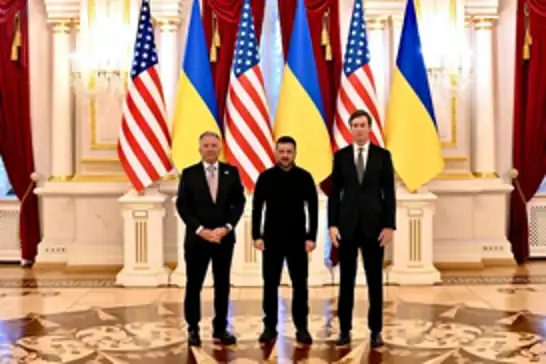
The European Commission will represent the European Union at the latest round of Ukraine peace talks on October 9, with Björn Seibert, chief of staff to Commission President Ursula von der Leyen, attending on behalf of the bloc, diplomatic sources told the Kyiv Independent.
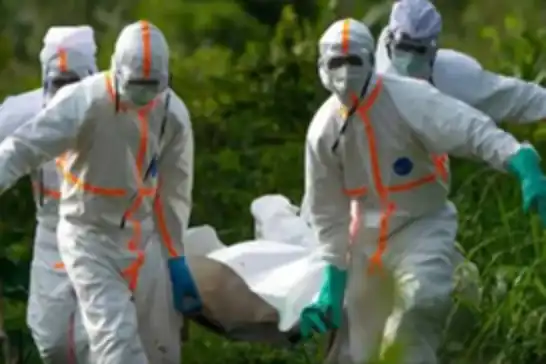
The number of people who have died from Lassa fever in Nigeria has risen to 263 this year, while the number of confirmed cases recorded between January and September reached 1,115, according to health authorities.