No self-criticism from DEM Party 12 years after October 6-8 massacre
 13 oC
13 oC 
Güneşli

Twelve years after the October 6-8, 2014 violence in southeastern Türkiye, the deaths of dozens of people, including young Muslims such as Yasin Börü, continue to haunt the region, with renewed debate over responsibility, justice and the absence of meaningful self-criticism.
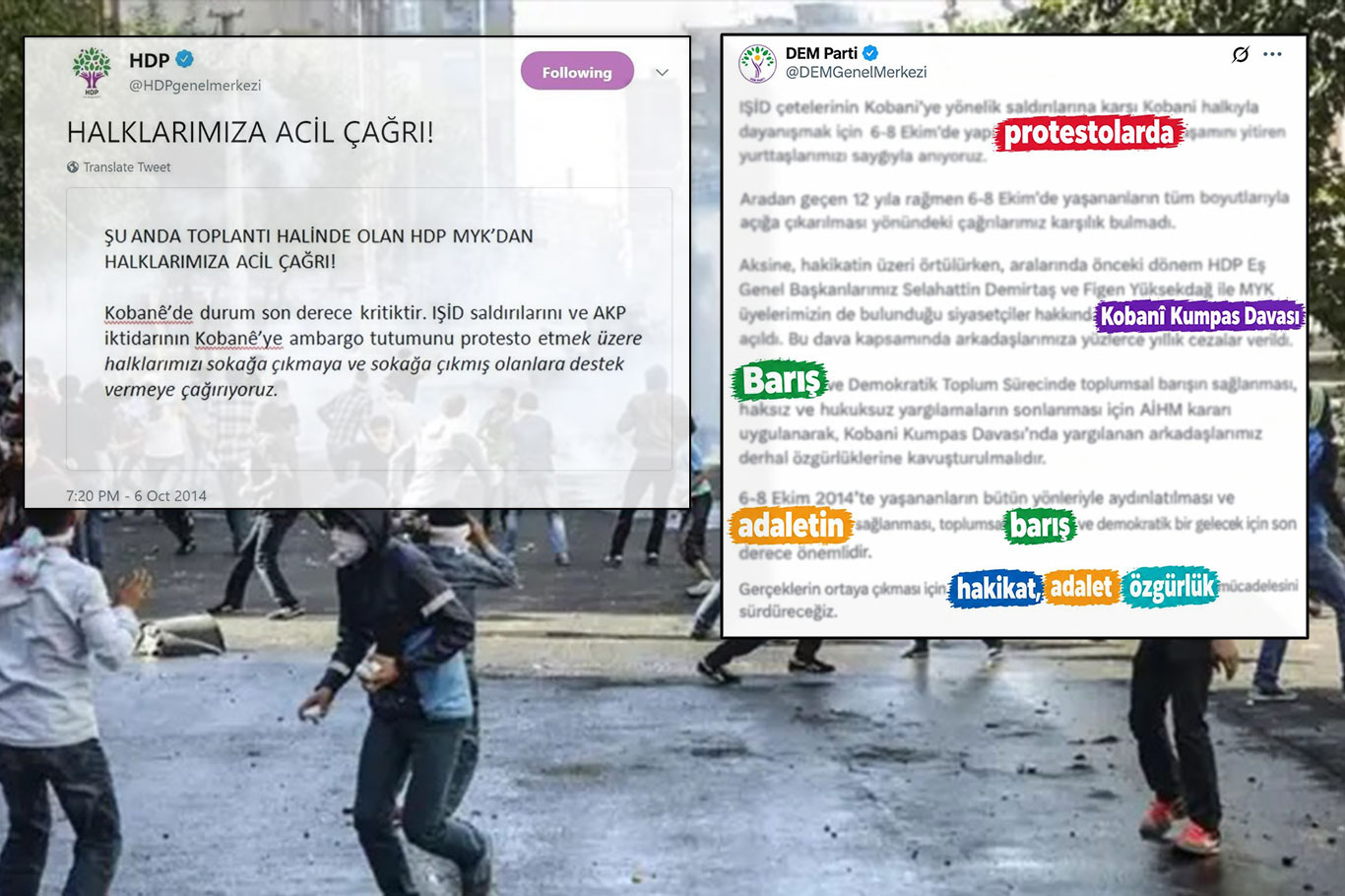
The violence erupted during Eid al-Adha after calls for street protests over developments in Kobani, Syria. In the days that followed, dozens of people were killed in several southeastern provinces.
Among the victims were Yasin Börü and his friends, young members of a Muslim charity group who had reportedly gone out during the Islamic holiday to distribute sacrificial meat to needy families. Their deaths became one of the most painful symbols of the violence.
For many Muslims in the region, the anniversary is not merely a political date but a painful reminder of the brutality inflicted on people who were trying to serve the poor and uphold Islamic solidarity during Eid.
Calls for accountability remain
Twelve years later, questions over political responsibility and the role of various actors in the violence remain deeply contested.
Critics of the DEM Party and its political predecessors argue that the party has failed to offer the kind of self-criticism that many families of the victims have long expected.
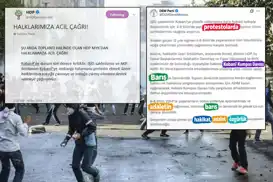
They reacted particularly strongly to an anniversary statement in which the events were discussed in the context of social peace, justice and democracy, while the legal proceedings were described by the party as a “conspiracy case” and calls were made for the release of those convicted.
Critics said such language fails to adequately acknowledge the suffering of the victims and risks reducing the violence to an ordinary political protest.
They also questioned references to “social peace,” arguing that genuine reconciliation cannot be achieved by overlooking the violence committed against civilians or by failing to confront the suffering of the victims and their families.
Yasin Börü remains a symbol
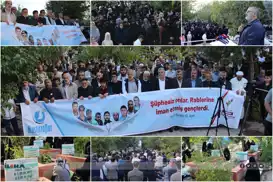
For the region's Muslim communities, Yasin Börü has become a lasting symbol of young people who lost their lives while trying to help the poor during Eid al-Adha.
Supporters of the victims argue that the memory of Börü and his companions cannot be separated from the religious and humanitarian purpose that brought them onto the streets that day.
They say the violence demonstrated the dangers faced by communities when political tensions are allowed to turn into hatred and attacks against civilians, particularly people identified with Islamic organizations and values.
The anniversary has therefore revived calls for a broader reckoning with the events and for political actors to acknowledge the suffering experienced by the victims' families.
Social media reaction intensifies debate
The DEM Party's anniversary message also triggered a wave of criticism on social media.
Many users rejected any characterization of the October 6-8 violence as merely a peaceful protest, pointing to the deaths of civilians and the brutal circumstances surrounding some of the killings.
One user wrote that those seeking the perpetrators should “look in the mirror,” while another recalled the killing of Yasin Börü and his companions and said Diyarbakır would not forget what happened.
Other users argued that calls for demonstrations made before the violence contributed to the escalation and questioned how political actors could speak of justice and freedom without first confronting the suffering caused by the events.
Some commentators also accused the movement's wider political structure of failing to provide genuine political and social pluralism for Kurdish society despite decades of claims to be fighting for Kurdish freedom.
Justice and social peace
For the victims' families and many people in the region, the debate surrounding October 6-8 ultimately comes down to a simple question: Can there be genuine social peace without confronting the suffering of those who were killed?
Critics say true peace cannot be built by rewriting painful history, minimizing the deaths of civilians or turning victims into political footnotes.
They argue that justice requires remembering every victim, recognizing the sanctity of human life and acknowledging the particular pain inflicted on Muslim communities during Eid al-Adha.
Twelve years on, the wounds may have begun to heal on the surface, but the memories remain deeply embedded in the collective consciousness of Diyarbakır and the wider region.
For many, the commemoration of Yasin Börü and his companions is therefore not only an act of remembrance but also a call for justice, accountability and an end to political violence against civilians. (ILKHA)
LEGAL WARNING: All rights of the published news, photos and videos are reserved by İlke Haber Ajansı Basın Yayın San. Trade A.Ş. Under no circumstances can all or part of the news, photos and videos be used without a written contract or subscription.
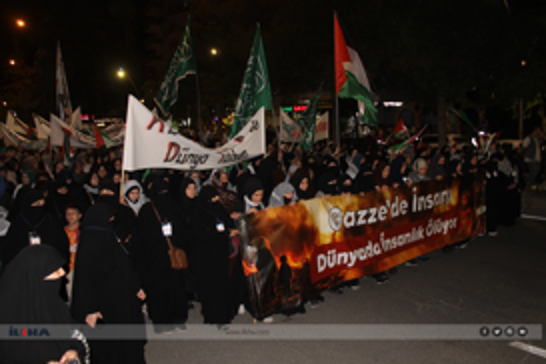
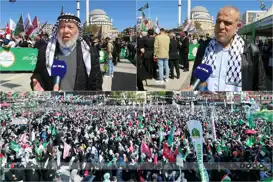
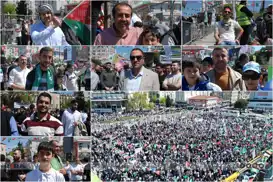
Islamic civil society organizations in Diyarbakır came together on the third anniversary of the Operation Al-Aqsa Flood, staging a mass march in support of the Palestinian people and saluting the resistance that has continued in Gaza since Oct. 7, 2023.

Dr. Hüseyin Durmaz, president of the International Health Initiative, said the Al-Aqsa Flood operation became a historic turning point that exposed the realities of the Palestinian issue and awakened the conscience of people around the world.
Hungary's Deputy Prime Minister and Foreign Minister Anita Orbán will visit Türkiye on Oct. 8 to attend the first meeting of the Türkiye-Hungary Joint Planning Group, the Turkish Foreign Ministry said Wednesday.
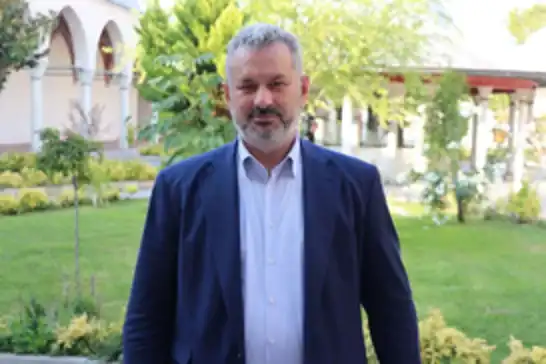
Hasan Turan, a member of Türkiye's Parliament and chairman of the Türkiye-Palestine Inter-Parliamentary Friendship Group, has described Israel's three-year military campaign in Gaza as “the atrocity of the century,” calling on the international community to move beyond statements of condemnation and impose concrete military, commercial and diplomatic sanctions on Israel.