Gastroenteritis outbreak continues on Greek island despite end of peak tourist season

 13 oC
13 oC 
Güneşli

A persistent outbreak of gastroenteritis on the Greek island of Rhodes has resulted in 1,384 hospital presentations over 40 days, with health authorities still investigating the cause as daily admissions remain high.
According to figures from Rhodes General Hospital cited by local media, 1,384 people sought treatment for gastroenteritis between Aug. 13 and Sept. 21, an average of nearly 35 cases a day. The figures have remained relatively stable into September, despite the end of the island's peak summer tourism period.
The hospital recorded 640 cases during 19 days in August, averaging 33.7 patients a day. During the first 21 days of September, the number increased to 744, or an average of 35.4 cases per day.
The first major spike was recorded on Aug. 14, when 58 patients sought medical treatment. Another 52 cases were reported on Aug. 16, while the highest daily figure came on Sept. 7, when 63 patients arrived at the hospital.
Despite the scale and persistence of the outbreak, authorities have not identified a single source responsible for the infections.
The Greek National Public Health Organization (EODY) has been investigating the outbreak, with health officials examining possible environmental and infectious causes.
The investigation has included testing of the island's drinking-water network after concerns were raised over whether contaminated water could have contributed to the spread of gastrointestinal illness.
Initial results have not provided evidence linking the outbreak to the public drinking-water supply. The first 10 samples collected from the network reportedly showed no contamination source. Tests for standard microbiological indicators, including total coliforms, E. coli and enterococci, were within the applicable limits.
Authorities have also specifically tested drinking water for norovirus after the virus was detected in samples from some patients.
Five water samples collected on Sept. 16, including samples from areas associated with patients who had tested positive for norovirus, were reportedly negative for the virus.
The findings make contamination of the public water network less likely as the explanation for the outbreak, although officials have not declared the investigation closed. Further sampling is planned as authorities continue to monitor the situation.
The absence of evidence in the water does not, however, establish what is causing the continuing infections. Health authorities are therefore continuing their epidemiological investigation.
Investigators have expanded their checks beyond drinking water to wastewater and sewage-treatment facilities.
Local authorities reported several instances in which wastewater-treatment measurements exceeded permitted limits at the Vodi facility. However, officials have not established a causal connection between those findings and the gastroenteritis cases.
The situation at the Kremasti wastewater-treatment facility has reportedly improved following earlier concerning findings. Additional sampling is being carried out to determine whether wastewater contamination could have played any role in the outbreak.
The sustained number of patients has placed continued pressure on Rhodes General Hospital, with dozens of people seeking treatment almost every day.
The available hospital figures cover patients presenting to the public hospital and therefore do not necessarily represent the total number of gastroenteritis cases on the island. Some patients have also sought treatment at health centers and from private doctors.
The regional health authorities have sought cooperation from private physicians to improve epidemiological surveillance and obtain a broader picture of the outbreak.
The outbreak comes as Rhodes continues to receive large numbers of domestic and international visitors, although the daily number of hospital presentations has remained elevated even after the busiest period of the tourist season.
Local health authorities have stressed that the investigation is continuing and that the available evidence so far does not establish a specific source.
Further testing of drinking water, wastewater and clinical samples is expected as authorities seek to determine whether the cases are connected to a common infectious agent or environmental source.
For now, the persistence of roughly 35 hospital presentations per day remains the most notable feature of the outbreak, while health officials continue efforts to identify the cause and prevent further transmission. (ILKHA)
LEGAL WARNING: All rights of the published news, photos and videos are reserved by İlke Haber Ajansı Basın Yayın San. Trade A.Ş. Under no circumstances can all or part of the news, photos and videos be used without a written contract or subscription.
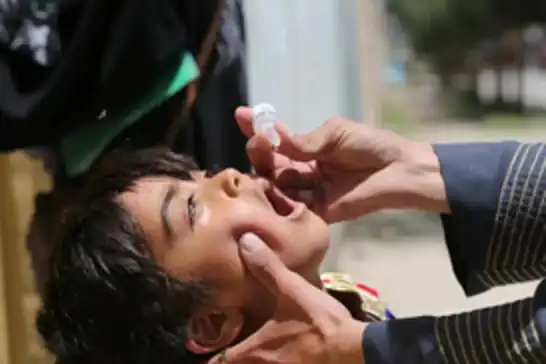
Afghanistan’s Ministry of Public Health on Monday launched a nationwide polio vaccination campaign targeting more than 12.7 million children under the age of five, as health authorities continue efforts to prevent the spread of the highly infectious disease.
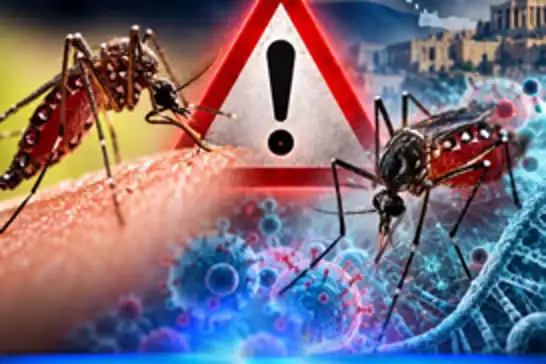
Greek health authorities are intensifying mosquito-control operations as West Nile virus infections continue to rise across the country, with the Attica region around Athens among the areas of greatest concern.

Japan's population aged 65 and older has reached a record 29.6 percent of the country's total population, underscoring the scale of the demographic transformation confronting the world's third-largest economy.