AU leaders meet in Ethiopia as water security tops agenda
 13 oC
13 oC 
Güneşli

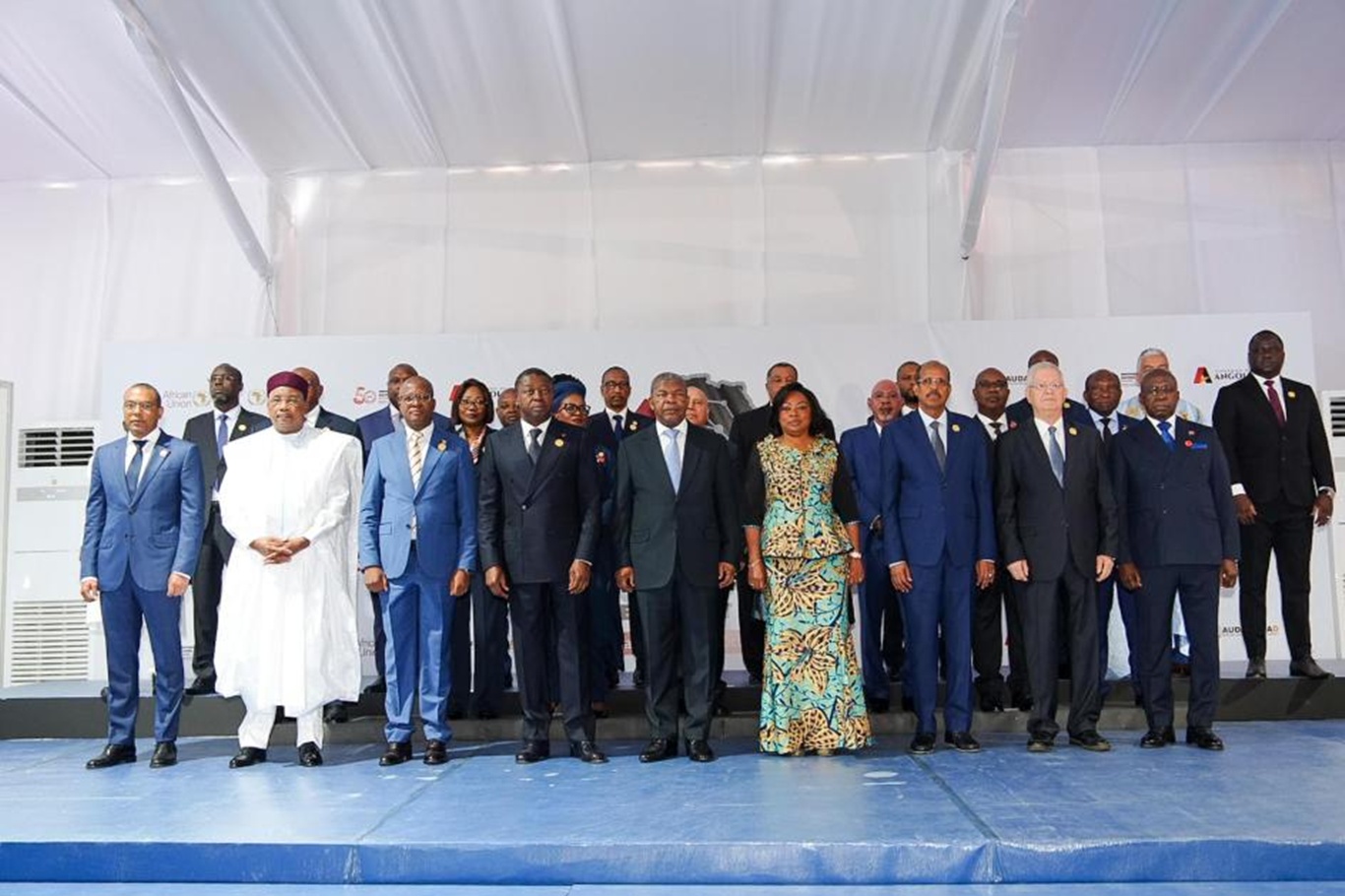
African heads of state and government are set to convene in Addis Ababa, Ethiopia, from February 11 to 15 for the 39th African Union (AU) Summit, with continental water security, peace, and stability emerging as top priorities amid mounting regional and global challenges.
Held under the theme “Assuring Sustainable Water Availability and Safe Sanitation Systems to Achieve the Goals of Agenda 2063,” the summit will open with meetings of the AU Executive Council on February 11–12, followed by the Assembly of Heads of State and Government on February 14–15.
AU officials say the gathering comes at a pivotal moment for the continent, as African leaders seek to translate long-standing commitments under Agenda 2063 into concrete, measurable actions that can strengthen development, resilience, and security.
“This year’s summit arrives at a critical juncture, particularly as the second 10-year implementation plan of Agenda 2063 gains momentum,” said Costantinos Bt. Costantinos, a former adviser to the AU and the UN Economic Commission for Africa.
He noted that the summit is expected to move beyond declarations and agenda-setting, serving instead as a platform for endorsing practical continental initiatives aimed at building a resource-secure, food-sovereign, and peaceful Africa.
Analysts say the significance of the meeting is further heightened by a challenging global environment marked by geopolitical rivalries, economic fragmentation, protectionism, and weakening multilateral cooperation. In this context, African leaders are expected to use the summit to coordinate positions and strengthen the continent’s collective voice on the global stage.
In the lead-up to the summit, African ambassadors concluded meetings of the AU Committee of Permanent Representatives (PRC), finalizing draft agendas and work programs. Alongside water security, the PRC highlighted key priorities including peace and security, inclusive economic growth, governance reforms, education, healthcare, and Africa’s role in global decision-making.
AU Commission Chairperson Mahmoud Ali Youssouf called for stronger solidarity, unity, and self-reliance, warning that an increasingly complex global landscape requires Africa to act cohesively to safeguard its interests.
Water security is expected to dominate discussions throughout the summit. The AU has stressed that Africa’s ambitions for economic growth, regional integration, trade, and peace are all dependent on ensuring sustainable access to water and sanitation.
According to AU data, more than 300 million Africans lack access to clean drinking water, while over 700 million live without adequate sanitation. With Africa’s population projected to reach 1.6 billion by 2030, demand for water is expected to surge, driven by rapid urbanization, food production needs, and energy generation.
Youssouf said the summit theme reflects water’s growing importance not only as a development issue but also as a strategic and geopolitical concern, particularly in the context of climate change.
Experts warn that worsening water scarcity threatens agriculture, energy production, public health, and social stability, increasing the risk of food insecurity, displacement, and conflict if left unaddressed.
Peace and security are also expected to feature prominently, with leaders facing pressure to address protracted conflicts and governance challenges across the continent.
Youssouf highlighted ongoing crises in Sudan, the eastern Democratic Republic of the Congo, Libya, and the Sahel, as well as the continued rise in unconstitutional changes of government. He stressed the need for urgent action and deeper reforms within the AU’s peace and security architecture.
Analysts expect the summit to revisit proposals to strengthen African-led security mechanisms, including steps toward fully operationalizing the African Standby Force and improving financing for AU peace operations.
“The crises in Sudan and eastern DRC will serve as immediate tests for the AU’s credibility,” Costantinos said, adding that leaders are under growing pressure to deliver African solutions to African problems through decisive political engagement.
Beyond formal sessions, the summit is also expected to feature high-level side meetings, policy dialogues, and engagements with international partners focusing on climate finance, development cooperation, and Africa’s role in a changing global order.
AU officials say expectations are high that the Addis Ababa summit will produce action-oriented outcomes, particularly on water governance, conflict resolution, and institutional reform, as Africa seeks to align its long-term aspirations with the realities of an increasingly uncertain world. (ILKHA)
LEGAL WARNING: All rights of the published news, photos and videos are reserved by İlke Haber Ajansı Basın Yayın San. Trade A.Ş. Under no circumstances can all or part of the news, photos and videos be used without a written contract or subscription.
Russian forces launched a renewed wave of missile and drone attacks across Ukraine over the past 24 hours, killing at least six people — including a mother and her young child in the northeastern city of Kharkiv — and injuring at least 36 others, Ukrainian officials said on Sunday.

At least seven people were killed and six others injured after a minibus carrying workers collided with a truck on a highway in northwestern Egypt, local authorities said.
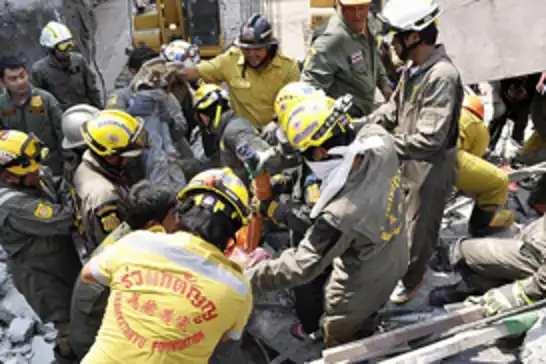
A building under construction collapsed in Thailand’s Samut Prakan province, leaving four workers injured, local authorities said.
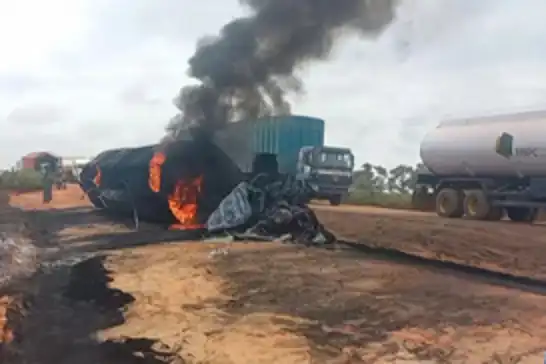
At least 30 people were killed and several others injured in a devastating road accident in Kano State, northern Nigeria, local authorities confirmed on Monday.