Al-Qaradaghi: Muslim unity is the shield against modern challenges
 13 oC
13 oC 
Güneşli

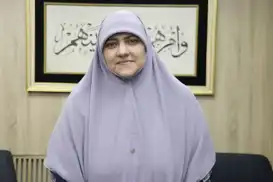
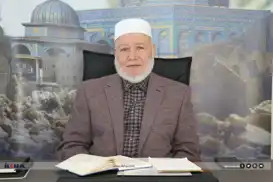
Ali Mohiuddin Al-Qaradaghi, President of the International Union of Muslim Scholars, declared that the unity of the Islamic Ummah is not merely a religious obligation, but an urgent and unavoidable necessity in the face of mounting challenges confronting the Muslim world.
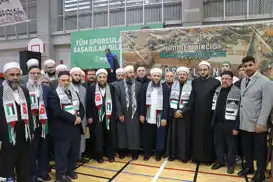
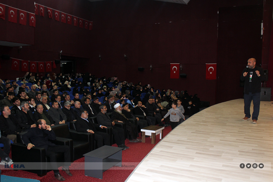
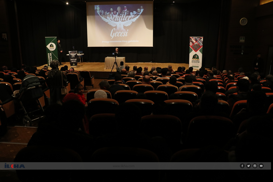
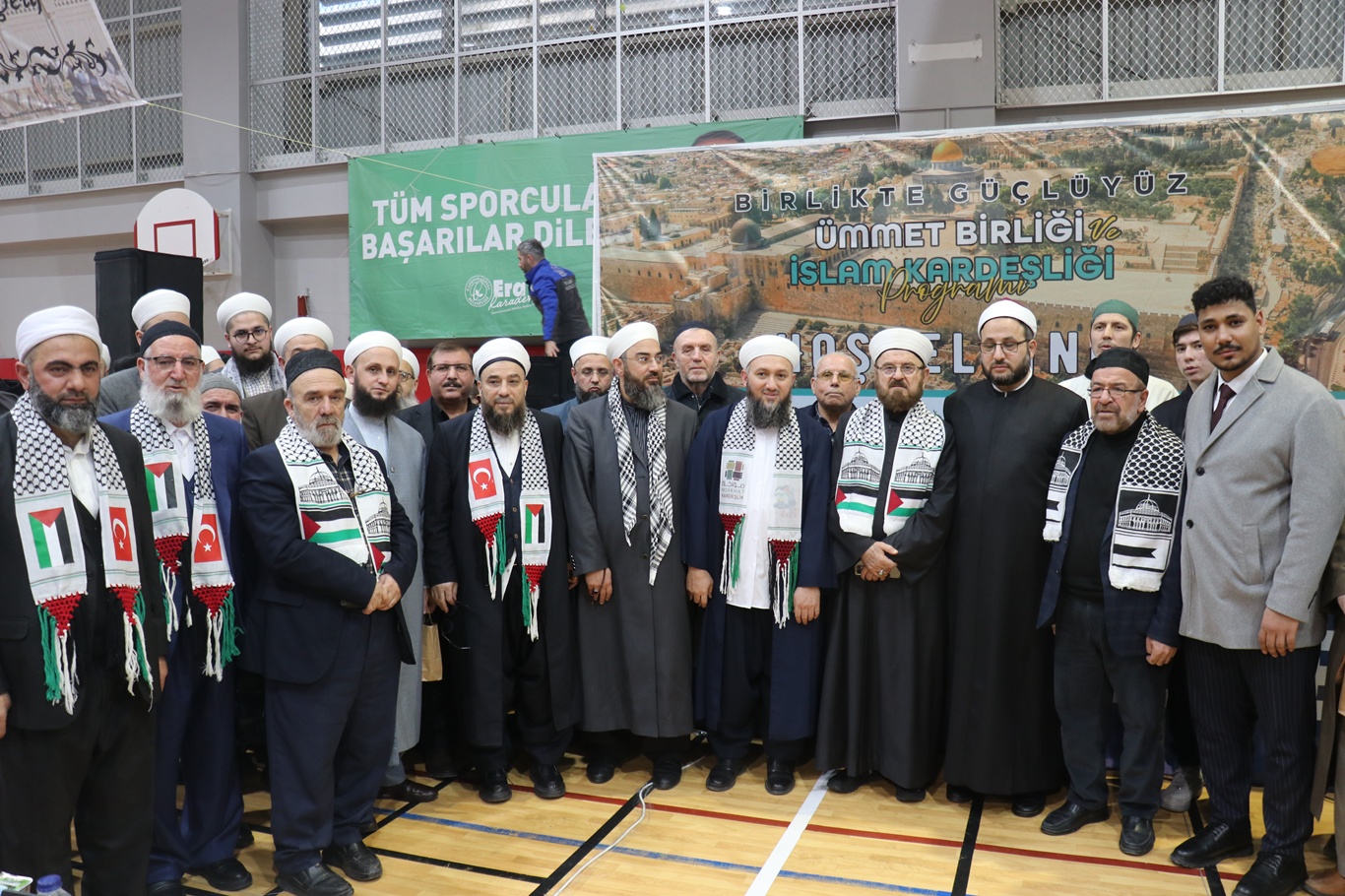
Speaking at the “Unity of the Ummah and Islamic Brotherhood” program held under the theme “We Are Stronger Together,” Al-Qaradaghi addressed scholars, civil society leaders, and representatives from across Türkiye and the broader Muslim world. The gathering, organized by numerous Istanbul-based Islamic organizations, served as a platform to renew commitment to Islamic brotherhood and collective responsibility.
The event began with a recitation from the Holy Qur’an, setting a spiritual tone for what would become a heartfelt appeal for Islamic awakening.
Unity: A Divine Command and a Strategic Imperative
Al-Qaradaghi emphasized that the unity of the Ummah is firmly rooted in divine revelation. He reminded the audience that Allah commands believers to hold firmly together and warns that division leads to weakness, humiliation, and loss of strength.
“The unity of the Ummah is a shar‘i obligation,” he said. “But today, beyond being a command of Allah, it has become a practical necessity. Our fragmentation has made us vulnerable. Our disputes have drained our strength.”
He stressed that the current state of disunity across many Muslim lands reflects the very warning contained in the Qur’an: that internal conflict results in fear, loss of resolve, and political weakness.
A System Muslims Should Have Built
In a striking observation, Al-Qaradaghi pointed out that the mechanisms for collective security, reconciliation, and defense outlined in Islamic teachings have not been properly institutionalized within the Muslim world.
“The Qur’an commands reconciliation between believers and resistance against oppression,” he noted. “Yet today, structures resembling collective defense mechanisms have been built elsewhere — even by organizations like the North Atlantic Treaty Organization — while the Muslim Ummah remains divided.”
He argued that the Ummah possesses divine guidance and a complete ethical framework, but has failed to translate these principles into unified political and strategic institutions.
Lessons from Islamic Civilization
Drawing inspiration from Islamic history, Al-Qaradaghi highlighted how scholars and reformers once laid the intellectual and spiritual foundations that enabled leaders like Salahuddin to reunify the Ummah and liberate sacred lands.
He recalled how scholars confronted ideological deviation, strengthened education, and revived authentic Islamic thought. It was this intellectual revival, he argued, that prepared the ground for political and military success.
“Revival begins with knowledge,” he said. “Scholars must lead in reforming minds, institutions, and moral foundations before unity can be realized politically.”
He identified the primary internal challenges facing Muslims today as despotism, oppression, ignorance, stagnation, and fragmentation — problems that must be addressed through a shared scholarly and cultural framework rooted in authentic Islamic principles.
Warning Against External Designs
Al-Qaradaghi also warned of what he described as external projects aimed at weakening Muslim unity and undermining the Palestinian cause. He cautioned against ideological narratives and political initiatives that dilute Islamic identity under the guise of interfaith or geopolitical arrangements.
He stressed that protecting the Ummah requires vigilance, awareness, and firm adherence to Islamic values.
“Our responsibility before Allah and before future generations is immense,” he said. “Scholars are the inheritors of the prophets. This inheritance is not limited to knowledge — it includes guidance, reform, and struggle for justice.”
Concluding his address, Al-Qaradaghi called for renewed commitment to Islamic solidarity, coordinated action among scholars and leaders, and a revival of confidence in the divine guidance that has historically united and strengthened the Ummah.
“The Ummah possesses the Qur’an, the Sunnah, and a legacy of civilization,” he said. “What remains is for us to unite our hearts, align our efforts, and fulfill the trust placed upon us.” (ILKHA)
LEGAL WARNING: All rights of the published news, photos and videos are reserved by İlke Haber Ajansı Basın Yayın San. Trade A.Ş. Under no circumstances can all or part of the news, photos and videos be used without a written contract or subscription.
The second round of nuclear negotiations between Iran and the United States is scheduled to take place in Geneva on Tuesday, February 17, a senior Iranian official has confirmed, raising cautious hopes for progress amid lingering mistrust.
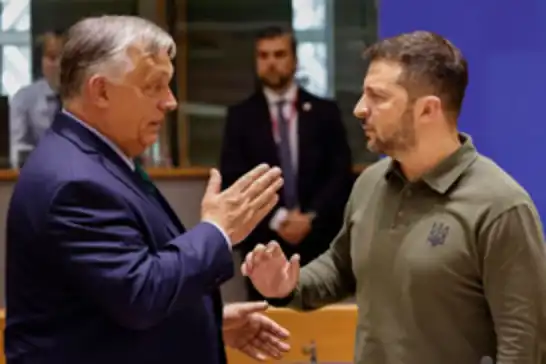
Ukrainian President Volodymyr Zelensky took a pointed swipe at Hungarian Prime Minister Viktor Orbán during remarks at the Munich Security Conference on Saturday, arguing that Ukraine’s resistance to Russia has enabled the rest of Europe to live in freedom.

The Gaza Health Ministry has announced that more than 20,000 patients and wounded individuals are waiting to travel abroad for urgent medical treatment, warning that the partial reopening of the Rafah border crossing falls far short of addressing the scale of the humanitarian catastrophe in the Strip.
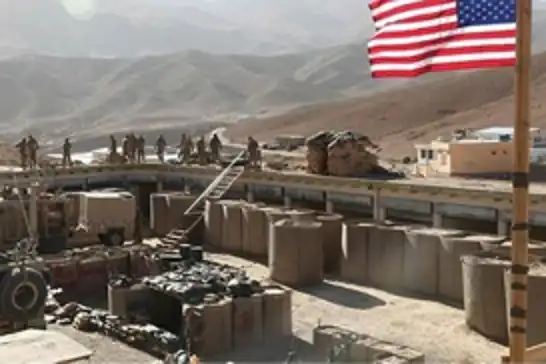
The Syrian Army has assumed control of the al-Shaddadi military base in northeastern Syria’s Hasakah province, following coordination with U.S. officials, according to the Syrian Defense Ministry’s media department.