Iran–US nuclear talks to resume in Geneva on Feb. 17
 13 oC
13 oC 
Güneşli

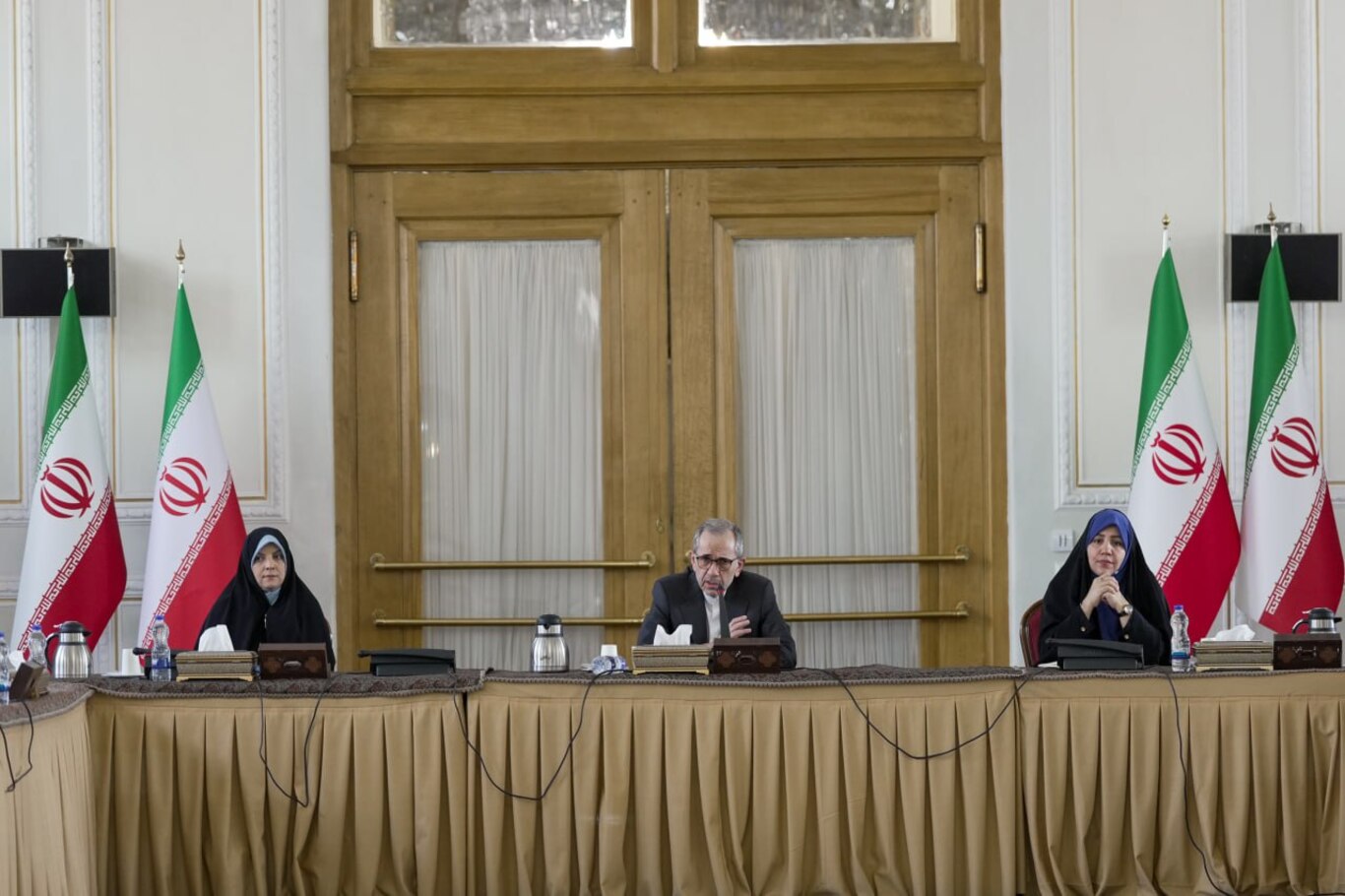
The second round of nuclear negotiations between Iran and the United States is scheduled to take place in Geneva on Tuesday, February 17, a senior Iranian official has confirmed, raising cautious hopes for progress amid lingering mistrust.
In an interview with the BBC in Tehran, Iran’s Deputy Foreign Minister Majid Takht Ravanchi said the talks would follow earlier indirect discussions held in Oman this month. He described the initial round as moving “more or less in a positive direction,” while stressing that it remains too early to draw firm conclusions.
The upcoming meeting in Geneva comes as both sides explore whether renewed diplomacy can ease tensions over Iran’s nuclear program and US sanctions. The first round of indirect talks was mediated through Oman, with messages reportedly passed via Omani Foreign Minister Sayyid Badr bin Hamad Al-Busaidi.
“Ball in America’s Court”
Takht Ravanchi said Tehran would approach the Geneva round with the hope that a deal remains achievable but emphasized that Washington must demonstrate sincerity.
“We will do our best but the other side also has to prove that they are also sincere,” he said, adding that the “ball was in America’s court” to show it genuinely seeks an agreement.
As a sign of flexibility, the Iranian diplomat pointed to Tehran’s offer to dilute its 60 percent enriched uranium. However, he underlined that any nuclear concessions would have to be matched by serious discussions on sanctions relief.
“We are ready to discuss this and other issues related to our program if they are ready to talk about sanctions,” he said.
Iran currently holds more than 400 kilograms of highly enriched uranium. When asked whether Tehran would consider shipping its stockpile abroad, as it did under the 2015 agreement, Takht Ravanchi said it was “too early to say what will happen in the course of negotiations.”
Nuclear File Only
Tehran has repeatedly insisted that negotiations remain focused strictly on the nuclear issue. Takht Ravanchi said Iran believes Washington now understands that broadening the scope would jeopardize any potential deal.
“Our understanding is that they have come to the conclusion that if you want to have a deal you have to focus on the nuclear issue,” he stated.
He also dismissed the notion of “zero enrichment,” saying it is no longer under consideration from Iran’s perspective. Furthermore, he reiterated Tehran’s refusal to negotiate over its ballistic missile program, arguing that the country’s defense capabilities are non-negotiable.
“When we were attacked by Israelis and Americans, our missiles came to our rescue so how can we accept depriving ourselves of our defensive capabilities,” he said.
Concerns Over Military Build-Up
Takht Ravanchi expressed unease over what he described as conflicting signals from Washington. While the United States has publicly and privately conveyed interest in diplomacy, he suggested the tone of private communications has been inconsistent.
He also questioned the US military presence in the region, noting reports that more than 40,000 American troops are currently stationed across the Middle East. Another war, he warned, would be “traumatic” and harmful for all parties involved.
“If we feel this is an existential threat, we will respond accordingly,” he said, cautioning that any escalation could destabilize the entire region.
Despite the tensions, the senior diplomat said there appears to be broad regional consensus against war. He emphasized that Iran remains committed to a diplomatic solution, though he acknowledged uncertainty about the outcome.
“We are hopeful we can do this through diplomacy, although we can’t be 100 percent sure,” he said, adding that Iran must remain vigilant to avoid being caught off guard.
The Geneva round is expected to test whether both sides can bridge longstanding differences and move toward a renewed understanding on the nuclear file. (ILKHA)
LEGAL WARNING: All rights of the published news, photos and videos are reserved by İlke Haber Ajansı Basın Yayın San. Trade A.Ş. Under no circumstances can all or part of the news, photos and videos be used without a written contract or subscription.
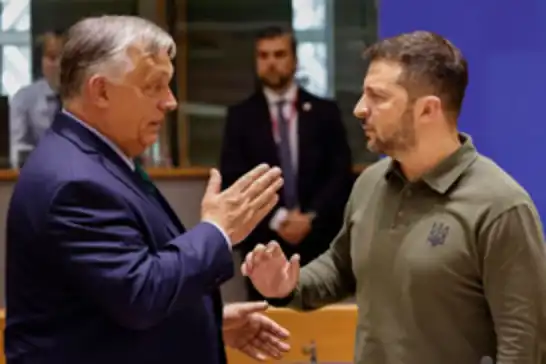
Ukrainian President Volodymyr Zelensky took a pointed swipe at Hungarian Prime Minister Viktor Orbán during remarks at the Munich Security Conference on Saturday, arguing that Ukraine’s resistance to Russia has enabled the rest of Europe to live in freedom.
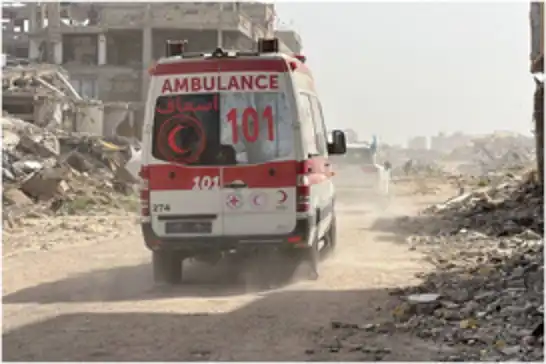
The Gaza Health Ministry has announced that more than 20,000 patients and wounded individuals are waiting to travel abroad for urgent medical treatment, warning that the partial reopening of the Rafah border crossing falls far short of addressing the scale of the humanitarian catastrophe in the Strip.
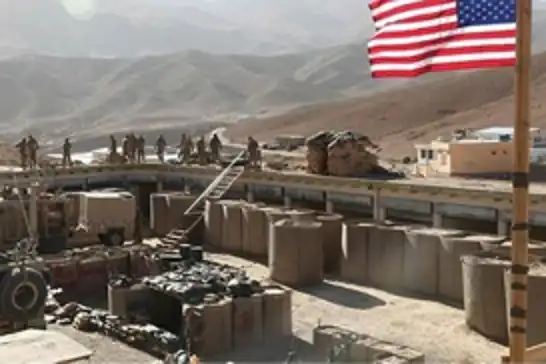
The Syrian Army has assumed control of the al-Shaddadi military base in northeastern Syria’s Hasakah province, following coordination with U.S. officials, according to the Syrian Defense Ministry’s media department.