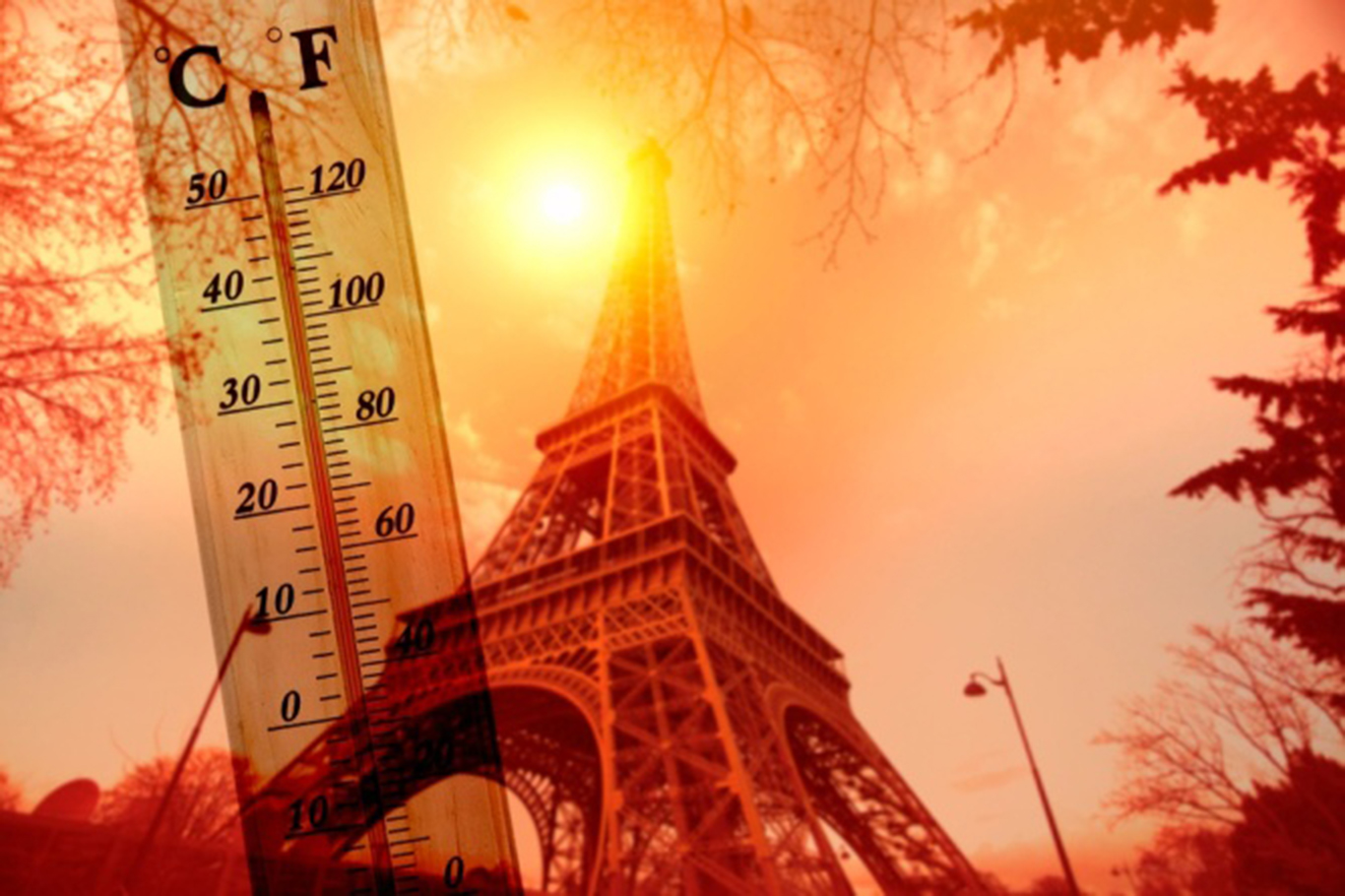
France on high alert as heatwave pushes temperatures toward 40°C
 13 oC
13 oC 
Güneşli

A massive plume of hot air sweeping up from North Africa has triggered widespread weather warnings across France, forcing authorities to place 81 departments under official alerts on Thursday.
According to national weather service Météo-France, the brunt of the extreme weather involves an intensifying heatwave, with 69 departments under heatwave warnings. This includes a crucial shift to orange-level vigilance—the second-highest alert tier—for Paris, parts of central and eastern France, and the alpine region of Haute-Savoie.
Simultaneously, a colliding weather front has prompted thunderstorm alerts in 21 departments, primarily threatening northern France, Normandy, Brittany, and the Southern Alps with sudden, turbulent downpours.
Forecasters stated that temperatures in central France could reach up to 39°C (102°F) on Thursday afternoon, with several major urban areas tracking well above seasonal averages. The extreme heat is expected to persist through Friday and peak over the weekend, with some regional metrics approaching 40°C (104°F) just as the country hits the summer solstice on June 21.
With many older school buildings ill-equipped to handle extreme indoor temperatures, academic authorities have authorized local mayors to modify or suspend schedules. Around ten middle schools in Paris adjusted operations beginning Thursday afternoon, while the mayor of Tours in the Loire Valley announced he would entirely close all 58 teaching establishments in his jurisdiction if local temperatures hit the 40°C mark.
Rail operator SNCF preemptively canceled 71 long-distance trains running between Thursday and Monday. The cancellations were made as a preventative measure to safeguard infrastructure and avoid catastrophic onboard air-conditioning failures under extreme thermal stress.
Energy analysts warn that the prolonged high temperatures are beginning to heat up the Rhône and Garonne rivers, potentially forcing state utility EDF to curb output at river-cooled nuclear reactors like Saint-Alban to comply with environmental safety laws.
Meteorologists point out that the situation is particularly grueling due to "tropical nights," where dense concrete and asphalt trap daytime heat, preventing midnight temperatures from dropping below 20°C in major hubs like Paris.
To combat the dangerous urban heat island effect, city officials in the capital have taken the unusual step of opening sections of the Canal Saint-Martin in eastern Paris to public swimming under lifeguard supervision.
Additionally, regional prefectures have expanded hours for street outreach teams, night shelters, and day centers to aggressively track and support vulnerable communities, specifically targeting the elderly, the unhoused, and young children.
Météo-France climatologist Matthieu Sorel noted that this marks France's second major heatwave of 2026—following a record-shattering hot spell in May—providing a clear and tangible signature of accelerated climate change in Western Europe. (ILKHA)
LEGAL WARNING: All rights of the published news, photos and videos are reserved by İlke Haber Ajansı Basın Yayın San. Trade A.Ş. Under no circumstances can all or part of the news, photos and videos be used without a written contract or subscription.
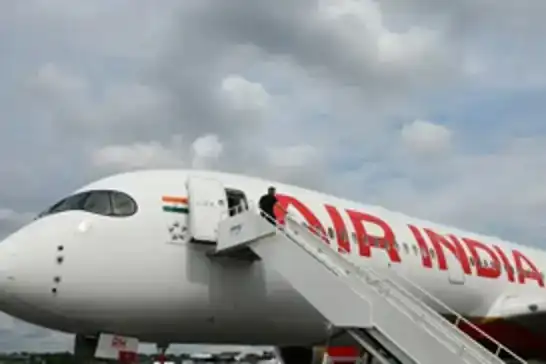
Pakistan has extended restrictions on the use of its airspace by Indian aircraft until July 24, according to a notice issued by the Pakistan Airports Authority (PAA).

Israeli occupation forces launched a drone strike on a civilian vehicle in the Al-Rimal neighborhood west of Gaza City on Thursday, killing three Palestinians and injuring several others.

Turkish Presidency's Head of Communications Burhanettin Duran announced on Thursday that Singapore’s Prime Minister Lawrence Wong will make a working visit to Türkiye on Friday, June 19, 2026.