ESCWA warns 5 million more people in Arab countries at risk of hunger amid US-Israeli aggression on Iran
 13 oC
13 oC 
Güneşli

The United Nations Economic and Social Commission for Western Asia has warned that millions of people across Arab countries could face worsening food insecurity as a result of the ongoing war targeting the Islamic Republic of Iran and its broader economic repercussions.
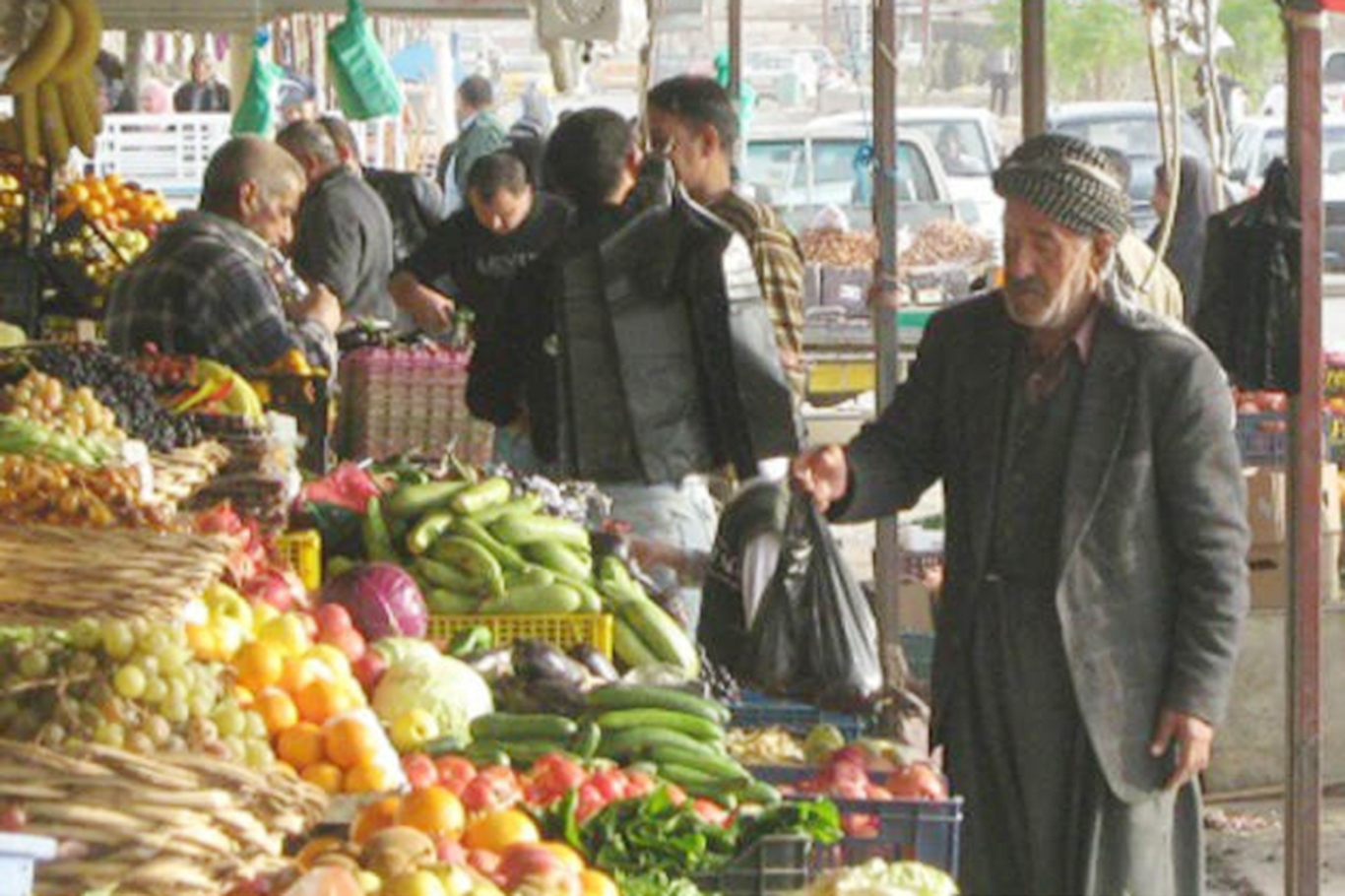
In a newly released report, ESCWA highlighted that around 5 million additional people in low- and middle-income Arab countries are at risk of losing access to adequate food due to rising global prices and deepening regional instability.
The report, titled “Conflict and Its Impacts,” underlined that the war has triggered interconnected shocks across energy, water, and food systems, exacerbating already fragile conditions in the region.
Food prices are projected to surge by as much as 20 percent, placing severe pressure on vulnerable populations, particularly in countries heavily dependent on food imports and with limited fiscal capacity to absorb rising costs.
The commission also pointed to major disruptions in the energy sector, noting that crude oil exports from Gulf countries have dropped sharply since the onset of the conflict, while global oil prices have climbed above $112 per barrel.
Significant disruptions in the Strait of Hormuz have further intensified the crisis, affecting nearly 20 percent of global oil trade, 20 percent of liquefied natural gas shipments, and around 30 percent of fertilizer trade.
ESCWA stressed that rising fuel costs, disrupted logistics, and increasing fertilizer prices are expected to further drive up food prices, disproportionately impacting low-income populations and heightening the risk of social instability.
Calling for urgent and coordinated action, the commission urged governments and international actors to safeguard critical supply chains, strengthen early warning systems, build strategic reserves, and diversify trade routes.
It also emphasized the need for long-term investments in resilient energy, water, and food systems to mitigate future shocks.
ESCWA warned that failure to act swiftly could lead to deepening poverty, escalating economic losses, and serious setbacks to sustainable development across the region.
In a previous assessment, the commission estimated that the region had already suffered economic losses of approximately $150 billion within a single month due to the ongoing crisis.
(ILKHA)
LEGAL WARNING: All rights of the published news, photos and videos are reserved by İlke Haber Ajansı Basın Yayın San. Trade A.Ş. Under no circumstances can all or part of the news, photos and videos be used without a written contract or subscription.

The United States has acknowledged significant progress in ongoing negotiations with Iran, with U.S. Vice President JD Vance confirming that the Strait of Hormuz has reopened and that energy shipments are once again moving through one of the world's most strategic waterways.
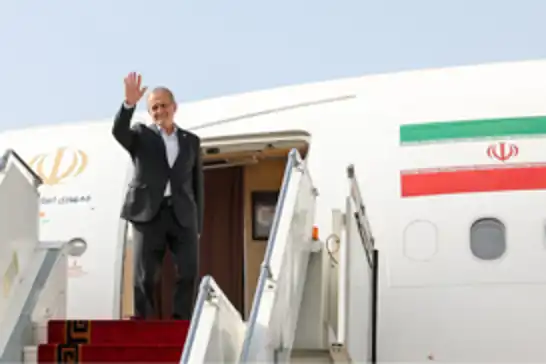
Iranian President Masoud Pezeshkian is set to travel to Pakistan on Tuesday for a one-day official visit aimed at strengthening bilateral relations and holding consultations with Pakistani leaders.
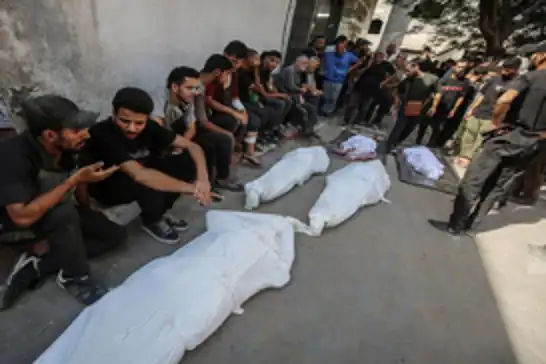
Medical sources in the Gaza Strip reported on Monday that the Palestinian death toll from the Israeli military offensive has reached 73,035, with 173,368 others injured since October 2023.

Ukranian President Volodymyr Zelensky has announced that Ukraine has signed a contract with Germany for the purchase of 600 air defense missiles for the Patriot system.