Japan restarts reactor at world’s largest nuclear plant after safety review
 13 oC
13 oC 
Güneşli

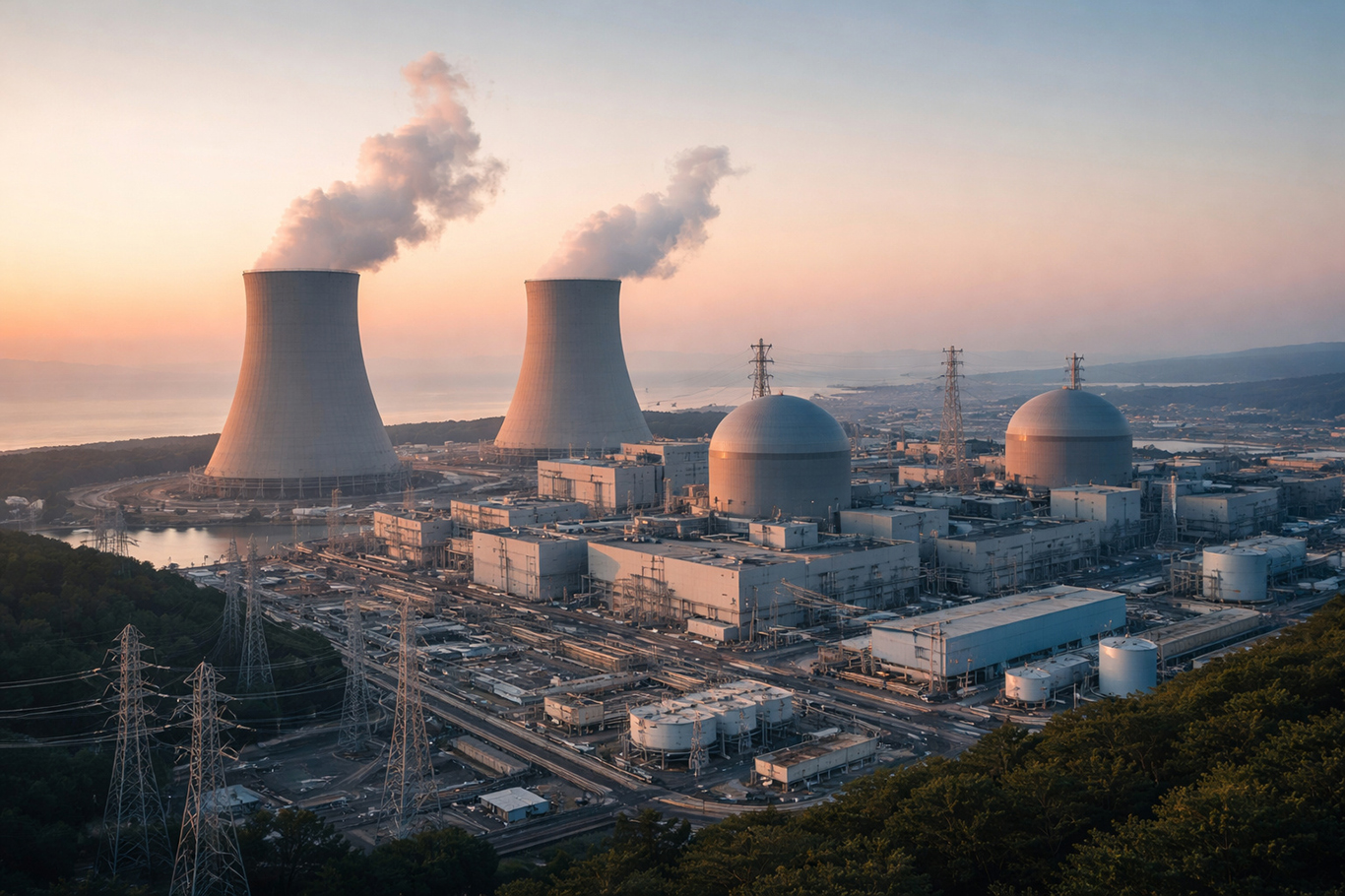
Japan on Monday restarted a reactor at the Kashiwazaki-Kariwa nuclear power station in Niigata Prefecture, northwest of Tokyo, after determining the cause of a malfunction that forced a temporary shutdown last month, according to local media reports.
Tokyo Electric Power Company Holdings Inc. (TEPCO) resumed operations at Unit No. 6, a 1,360-megawatt reactor, following additional safety checks and inspections. The reactor had been shut down on January 23 after an alarm sounded during the withdrawal of control rods, prompting operators to halt the restart as a precautionary measure, Kyodo News reported.
The restart marks TEPCO’s first sustained reactor reactivation attempt since the 2011 Fukushima Daiichi nuclear disaster, which led to widespread shutdowns of Japan’s nuclear fleet and stricter regulatory oversight. The Kashiwazaki-Kariwa reactor had briefly resumed operations in late January but was taken offline again within a day due to issues related to the control rod system.
TEPCO said the latest inspections confirmed that the malfunction was caused by a sensor-related irregularity rather than a structural or mechanical failure. The company added that corrective measures had been implemented and that monitoring would continue before the reactor enters full commercial operation.
According to TEPCO, commercial electricity generation is scheduled to begin on March 18, provided no further abnormalities are detected during ongoing equipment and system checks.
The Kashiwazaki-Kariwa nuclear power station, the largest in the world by output capacity, consists of seven reactors with a combined capacity of approximately 8.2 gigawatts. Most of the plant has remained idle since 2012 amid heightened safety concerns and strong local opposition following the earthquake- and tsunami-triggered Fukushima accident.
The facility operates boiling water reactors, the same design used at Fukushima Daiichi, a factor that has drawn continued scrutiny from regulators and residents. In recent years, Japan’s Nuclear Regulation Authority (NRA) has imposed additional safety requirements on the plant, including enhanced anti-terrorism measures, improved emergency response systems, and upgraded seismic protections.
The restart comes as Japan seeks to increase nuclear power generation to enhance energy security, curb rising electricity costs, and reduce dependence on imported fossil fuels. However, public trust remains fragile, and local authorities in Niigata Prefecture have stated that broader restarts of the plant’s reactors will require further review and public consultation.
No radiation leaks or safety violations have been reported in connection with the recent shutdowns, officials said. (ILKHA)
LEGAL WARNING: All rights of the published news, photos and videos are reserved by İlke Haber Ajansı Basın Yayın San. Trade A.Ş. Under no circumstances can all or part of the news, photos and videos be used without a written contract or subscription.

The European Commission has taken a major step in its landmark regulatory scrutiny of TikTok, announcing on Friday that preliminary findings from a two-year investigation indicate the Chinese-owned video platform is in breach of the EU’s Digital Services Act (DSA) due to its addictive design.

French authorities have raided the Paris offices of X, the social media platform owned by Elon Musk, as part of a criminal investigation into suspected child sexual abuse content, illegal data use, and AI-generated sexual deepfakes, prosecutors said.
Australia has begun a pioneering clinical trial using personalized mRNA vaccines to treat children and adolescents with deadly, treatment-resistant brain cancers, marking a global first in paediatric cancer research.