Trump announces tariff cuts on India after Modi ‘agrees’ to end Russian oil purchases
 13 oC
13 oC 
Güneşli

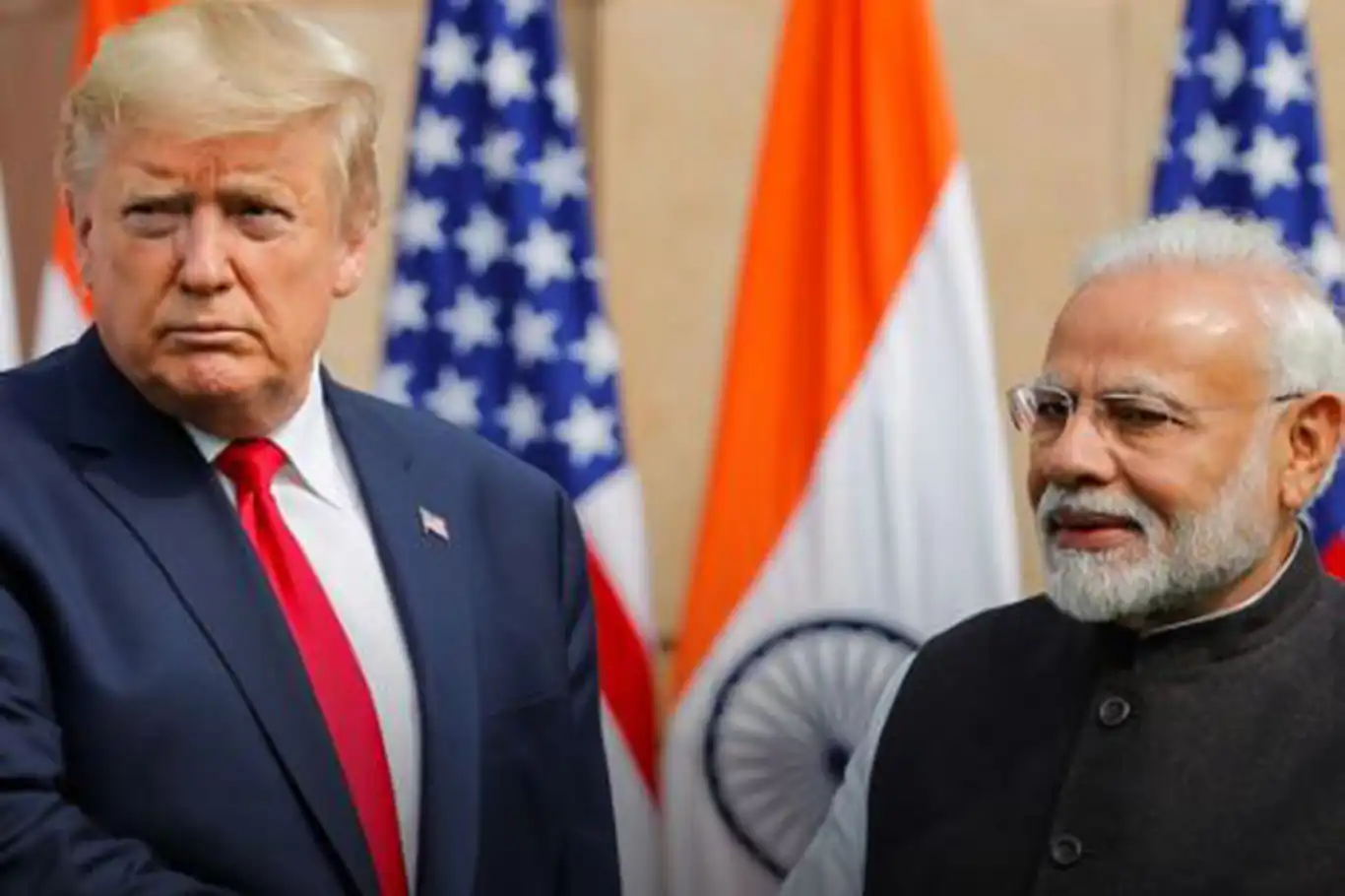
U.S. President Donald Trump announced on Monday that the United States will cut tariffs on Indian exports after he and Indian Prime Minister Narendra Modi reached what Trump described as a major trade deal following a phone call earlier that day.
The announcement, made on Trump’s Truth Social platform, linked the new arrangement directly to India’s oil purchasing decisions and broader geopolitical goals, including the war in Ukraine.
Under the agreement, the U.S. will reduce tariffs on Indian goods to 18 % from previous levels that had reached as high as 50 % — a figure that combined reciprocal duties and penalties tied to India’s purchases of Russian oil. An additional 25 % tariff imposed as a punitive measure over energy imports from Russia is also expected to be shelved, according to U.S. officials.
President Trump claimed that Prime Minister Modi had agreed to stop buying Russian oil, which he framed as a breakthrough that would “help END THE WAR in Ukraine”, citing the ongoing loss of life in the conflict. Trump also said India would increase its purchases of American energy and other goods, possibly including oil from the U.S. and Venezuela, and that India would move toward eliminating its own tariffs and non-tariff barriers on U.S. products.
Modi welcomed the tariff reduction in a post on social media platform X, calling the news “wonderful” for Indian exporters, but notably did not explicitly confirm Trump’s assertion regarding halting Russian oil imports. His message focused on strengthening bilateral economic ties and on cooperation between the two large democracies.
The deal also reflects a broader context of shifting trade relations. India, heavily dependent on energy imports, has been among the largest buyers of discounted Russian crude since Western sanctions were applied after Russia’s 2022 invasion of Ukraine. While Russia had previously underscored its readiness to continue supplying oil to India uninterrupted, recent data suggested a decline in Russian oil imports in early 2026.
The U.S.–India trade announcement comes amid ongoing global economic negotiations and highlights how energy policy and geopolitical pressure continue to intersect with international commerce and diplomatic strategy. (ILKHA)
LEGAL WARNING: All rights of the published news, photos and videos are reserved by İlke Haber Ajansı Basın Yayın San. Trade A.Ş. Under no circumstances can all or part of the news, photos and videos be used without a written contract or subscription.
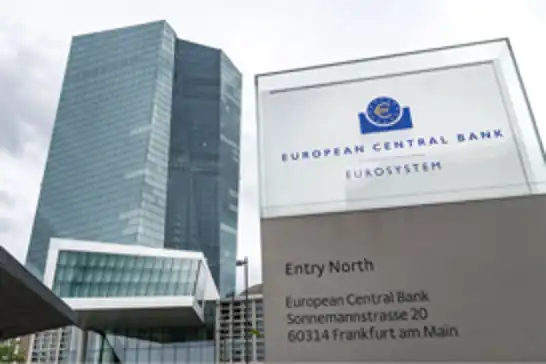
The European Central Bank (ECB) has decided to keep its three key interest rates unchanged, reaffirming its confidence that inflation will stabilise at the 2% target over the medium term despite persistent global uncertainties.
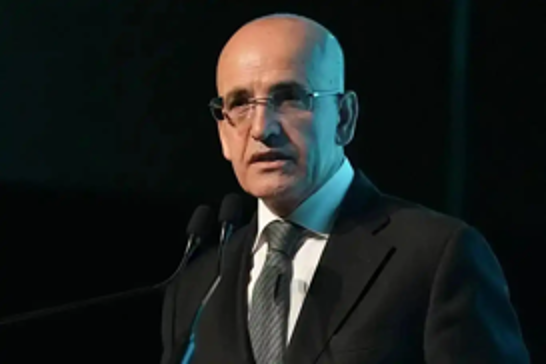
Treasury and Finance Minister Mehmet Şimşek said food prices and seasonal factors played a key role in pushing up Türkiye’s monthly inflation figure in January, while stressing that these effects are not expected to derail the broader disinflation trend.

Türkiye’s monthly inflation climbed to 4.84% in January, driven by New Year cost increases and rising food prices, while the annual inflation rate eased to 30.65%, according to data released by the Turkish Statistical Institute (TurkStat) on Monday.