Zelenskyy urges Trump to impose sanctions on Russia after strikes leave 600,000 without power
 13 oC
13 oC 
Güneşli

Ukrainian President Volodymyr Zelenskyy urged U.S. President Donald Trump to impose tougher sanctions on Russia and provide additional Patriot air defence interceptors on Wednesday, after Kyiv said Russian attacks involving ballistic missiles and drones had severely damaged energy infrastructure and left at least 600,000 people without electricity.
Zelenskyy said Russia had launched 39 ballistic missiles and more than 120 attack drones and loitering munitions overnight against energy and critical infrastructure in Kyiv, the surrounding region and Kharkiv.
He described a ballistic missile strike targeting energy facilities as a deliberate attack on infrastructure covered by an energy ceasefire that Trump announced on Sunday.
“Russia does not consider the American President’s statements strong,” Zelenskyy wrote on X, calling on Washington and other international partners to respond forcefully.
The Ukrainian president said the attacks had damaged equipment and facilities at 26 sites in the country's power system and four facilities in the oil and gas sector. At least 600,000 people were without electricity, he said, warning that outages could spread further. He also reported fatalities and injuries but did not provide a breakdown.
Zelenskyy thanked Ukrainian energy workers, repair crews and emergency service personnel working to restore damaged infrastructure.
He urged Trump to use the sanctions legislation named after the late U.S. Senator Lindsey Graham, which Trump signed into law in September, to increase pressure on Moscow. He also called for additional Patriot missile interceptors, which Ukraine relies on to counter Russian ballistic missile attacks.
“Peace can only come through strength,” Zelenskyy wrote, invoking former U.S. President Ronald Reagan.
The latest attacks came a day after Zelenskyy said Ukraine had received no advance warning from its partners about five Russian ballistic missiles that struck civilian infrastructure in Kyiv. He said intelligence sharing was critical to protecting civilians and enabling air defences to respond.
Trump denied that Washington had stopped sharing intelligence with Kyiv, telling reporters at the White House on Tuesday that the United States was continuing to provide intelligence to Ukraine and working with both sides to end the war.
A senior Ukrainian official said Kyiv had been given an explanation for the lack of advance warning, describing it as a “failure” that may have resulted from circumstances such as weather rather than a deliberate decision. The official spoke on condition of anonymity because he was not authorised to make an official statement.
The attacks have intensified tensions between Trump and Zelenskyy, whose relationship has deteriorated amid disagreements over how to end Russia's war and Ukraine's strikes on Russian energy infrastructure.
Trump announced on Sunday that Russia and Ukraine had agreed to an immediate energy ceasefire, under which both sides would refrain from attacking each other's energy facilities. Neither Moscow nor Kyiv had publicly confirmed a detailed agreement, however, and Kremlin spokesman Dmitry Peskov said on Tuesday that contacts on the matter were continuing.
Zelenskyy said Ukraine had refrained from attacking Russian energy facilities since Trump's announcement, while accusing Moscow of continuing strikes against Ukrainian power and energy infrastructure.
“The facts show that the Russians do not consider themselves bound by what the President of the United States said,” he said after Tuesday's attacks.
The claims that Ukraine had halted its strikes on Russian energy sites could not be independently verified.
Russia has intensified its aerial campaign against Ukrainian cities and infrastructure, using ballistic missiles and drones as Ukraine faces shortages of air defence interceptors. Russian short-range Iskander ballistic missiles can reach targets within minutes, making early warning and effective air defences particularly important.
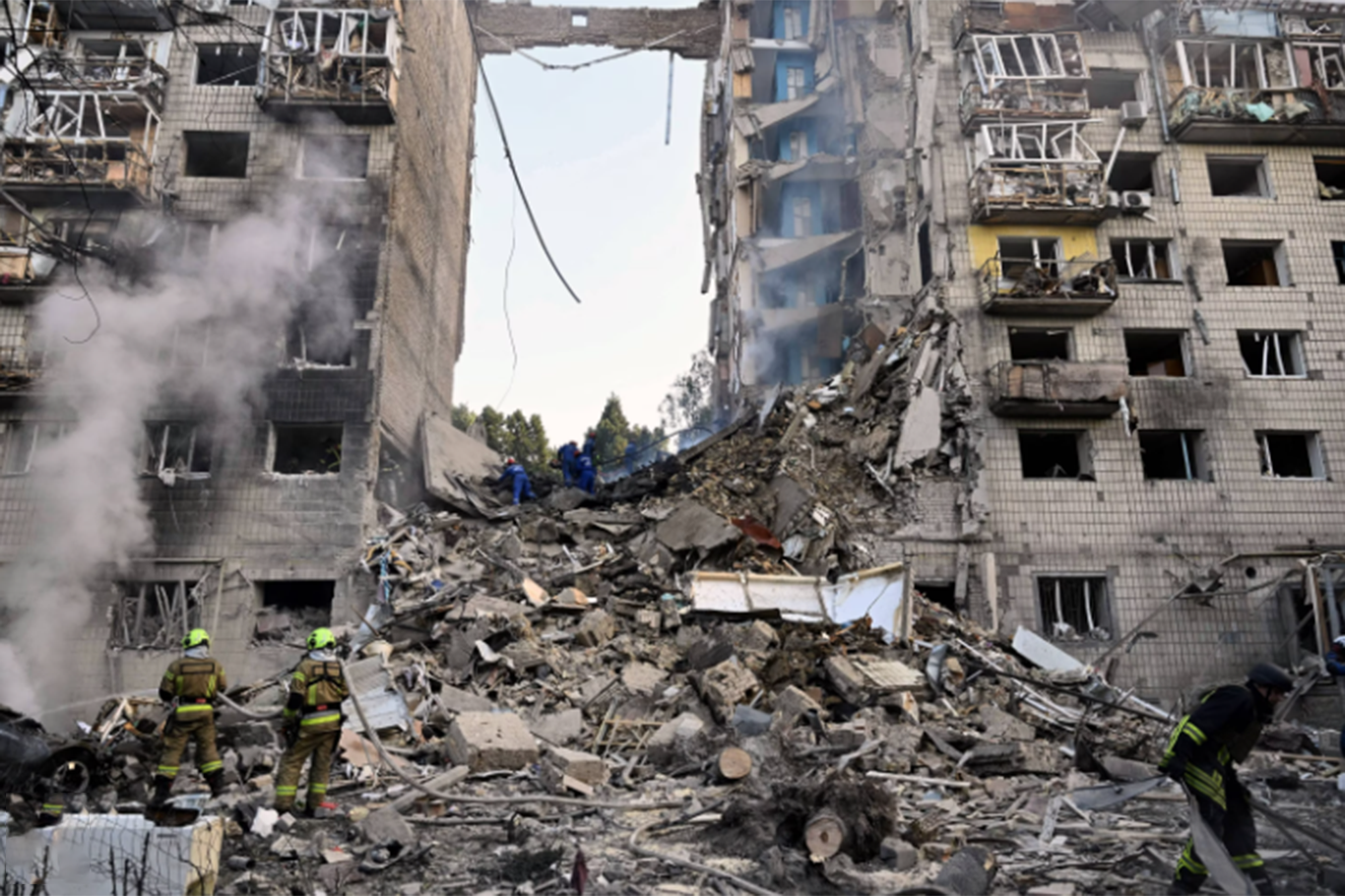
The attacks have caused casualties in several regions. Zelenskyy said four people were killed and 41 wounded in Kharkiv, where a residential building was destroyed. Ukrainian officials also reported casualties and damage in the Kyiv, Rivne and Lviv regions.
Russia's Defence Ministry said its forces had struck Ukrainian military-industrial facilities, logistics centres, railway and port infrastructure, as well as vessels allegedly carrying military cargo. It also said Russian air defences had shot down 604 Ukrainian drones overnight over Russian regions and the Sea of Azov.
Moscow Mayor Sergei Sobyanin said 417 drones had targeted the Moscow region, with 65 intercepted as they approached the Russian capital. Russian regional authorities reported damage to a school, two private homes and a car in the Kaluga region, southwest of Moscow.
The continuing attacks and dispute over the proposed energy ceasefire underscore the challenges facing diplomatic efforts to reduce hostilities, as Kyiv seeks stronger Western military support and increased economic pressure on Moscow. (ILKHA)
LEGAL WARNING: All rights of the published news, photos and videos are reserved by İlke Haber Ajansı Basın Yayın San. Trade A.Ş. Under no circumstances can all or part of the news, photos and videos be used without a written contract or subscription.
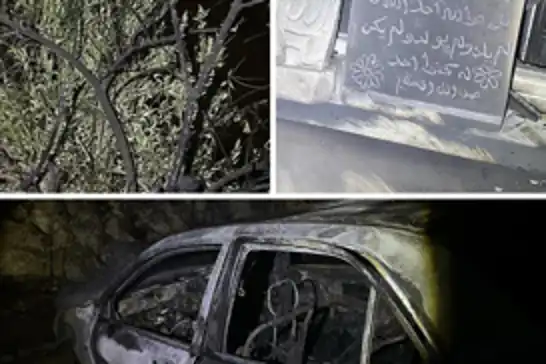
Israeli settlers set fire to a mosque, an olive tree and a vehicle during a raid on the Palestinian village of Mikhmas, northeast of occupied Jerusalem, in the early hours of Wednesday, according to the Jerusalem Governorate.
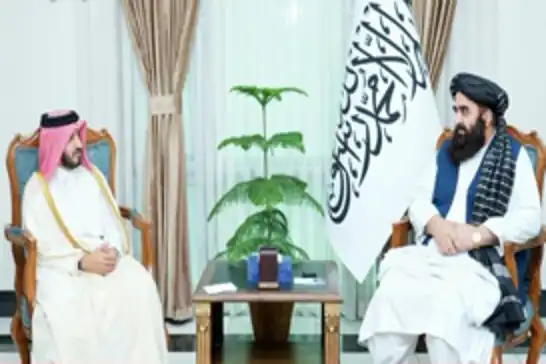
Afghan Foreign Minister Mawlavi Amir Khan Muttaqi met with Qatar’s Ambassador to Afghanistan, Dr. Mirdef Ali Al-Qashouti, in Kabul on Tuesday to discuss bilateral relations and efforts to strengthen the Islamic Emirate’s engagement with the international community.

Russian authorities have arrested Japanese journalist Yuki Imai on espionage charges, according to Russian court records dated Oct. 13.