Islamic scholars call for global campaign to liberate Jerusalem at gathering in Diyarbakır
 13 oC
13 oC 
Güneşli

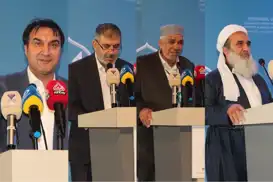
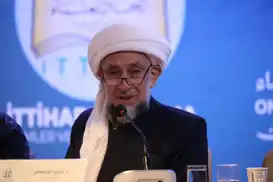
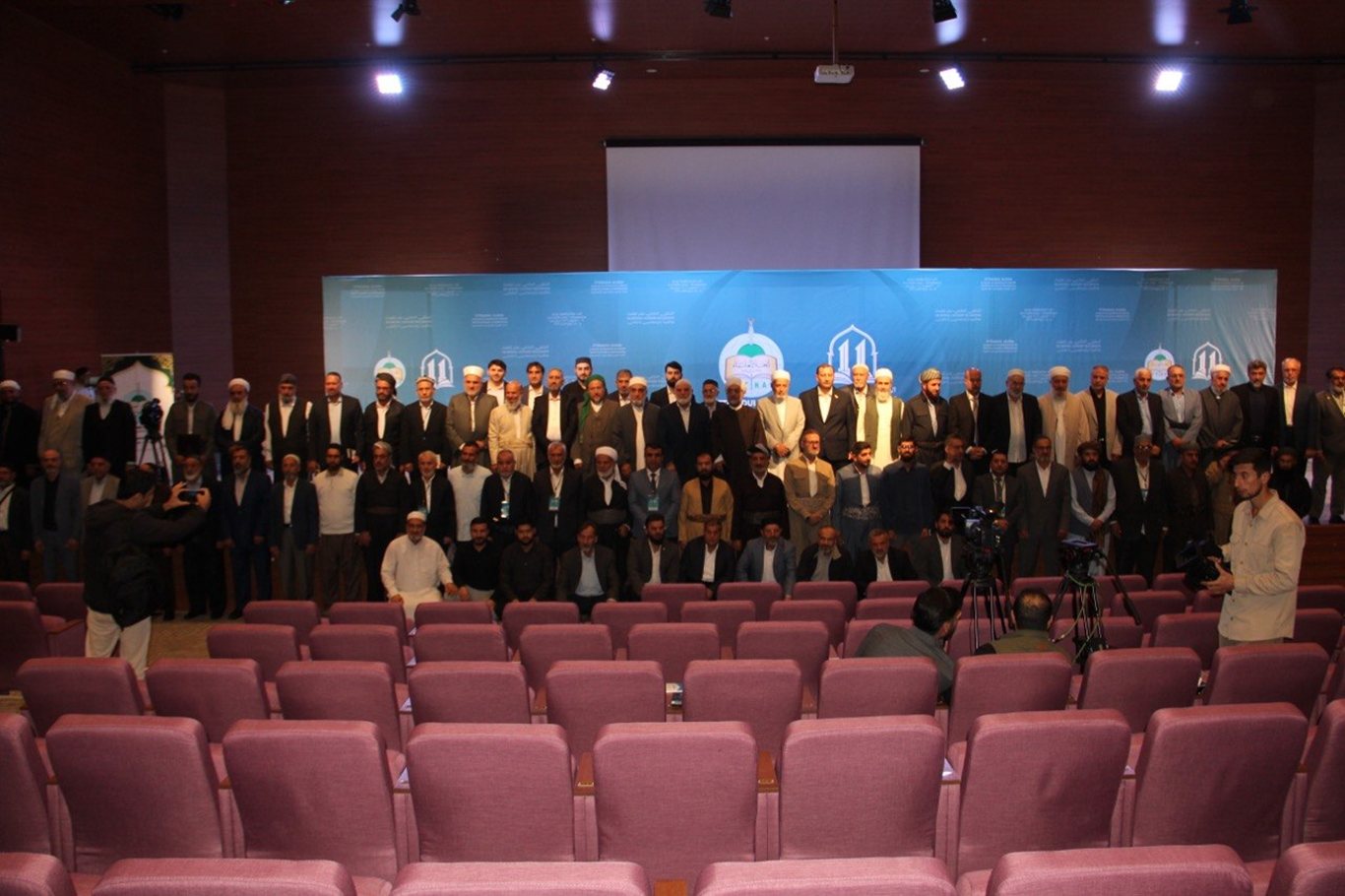
A gathering of Islamic scholars in Diyarbakır has called for greater unity among Muslims, stronger religious guidance for young people and a global campaign for the liberation of Al-Quds (Jerusalem) and other oppressed lands.
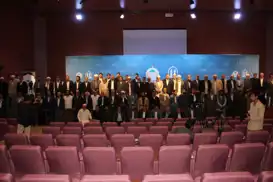
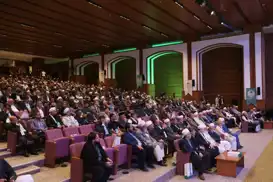
The 11th Scholars’ Gathering, organized by İTTİHADUL ULEMA under the theme “Methodology in Da‘wah (Islamic Outreach) and New Horizons,” concluded with a 14-point declaration outlining priorities for Islamic outreach and addressing challenges facing the Muslim ummah.
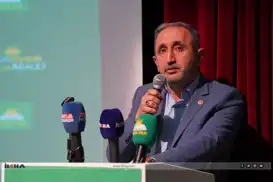
The declaration, read by İTTİHADUL ULEMA board member Molla Remzi Uçar, stressed the importance of transmitting the principle of tawhid, or the oneness of Allah, to future generations and engaging young people through religious guidance grounded in Islamic teachings.
It also warned that digital addiction can undermine religious, family and social responsibilities, calling for stronger family communication, parental guidance and the responsible use of technology.
The scholars urged Muslims to prevent differences of opinion from turning into hostility, calling for mutual respect, dialogue and cooperation on shared concerns.
“Those who are preoccupied with their friends cannot fight their enemies,” the declaration said, urging scholars to set aside secondary disputes and strengthen ties within the Muslim ummah.
The statement also called for closer cooperation among madrasas, charitable foundations, nongovernmental organizations and academic institutions to expand religious outreach. It urged Islamic institutions to use digital platforms to share reliable religious content and address the intellectual and spiritual concerns of young people.
Highlighting the challenges facing younger generations, the scholars said Muslim youth should be equipped to develop practical responses to injustice, poverty and inequality. They also stressed the need to build expertise in emerging fields such as artificial intelligence, digital media, data infrastructure and cybersecurity.
The declaration called on scholars to maintain their independence from political authorities while continuing to serve their communities, citing the Khalidiyya tradition as an example of the relationship between Islamic scholarship, spiritual development and social leadership.
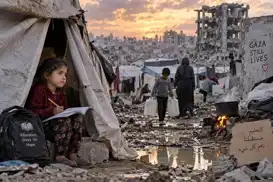
On Palestine, the scholars said Muslim unity was essential to the liberation of Jerusalem, known in Arabic as Al-Quds, and other oppressed lands.
They called for a global outreach campaign that would invite non-Muslims to explore Islam while encouraging Muslims to strengthen their piety and unity.
The declaration concluded with praise to Allah and a call for renewed commitment to faith, knowledge and collective responsibility.
The full text of the declaration is as follows:
11TH SCHOLARS’ MEETING: FINAL DECLARATION
In response to contemporary challenges, the 11th Scholars’ Meeting convened a distinguished group of scholars and preachers possessing deep knowledge, wisdom, and a strong sense of responsibility, under the theme: "Methodology in Da‘wah (Islamic Outreach) and New Horizons" (المنهجية في الدعوة والآفاق الجديدة).
Following the presentation of research papers and deliberate consultations, the assembly shares the following conclusions with the public:
1. Digital addiction undermines self-control, causes individuals to neglect their daily and religious responsibilities, and can have devastating physical, psychological and social consequences. Addressing this problem requires more than prohibitions. It calls for stronger family communication, guidance from parents supported by experts, and the replacement of harmful habits with beneficial activities.
2. Islamic law emphasizes the importance of managing time responsibly, safeguarding health, avoiding waste and ensuring that family responsibilities are not neglected when using technology. It permits the use of technology when it is balanced and consistent with Islamic principles.
3. The shared legacy of the prophets lies in ensuring that the awareness of tawhid (the oneness of Allah) is firmly passed on from one generation to the next. Today, raising a generation committed to conveying this message requires engaging with young people in ways that speak to their world, under the guidance of Islamic scholars.
4. Islam must be conveyed in its true and radiant form, free from both extremism and negligence. It is essential to combat extremist ideologies, terrorism and all forms of deviant movements that threaten social peace, security and the bonds of brotherhood.
5. To prevent differences of opinion from turning into personal hostility and division, Muslims must uphold the ethics of disagreement, grounded in charitable assumptions, mutual respect and courteous dialogue. The bonds and rights of brotherhood within the Muslim ummah must be protected under all circumstances.
6. Secondary disagreements must be set aside to rebuild bridges of trust and affection among members of the ummah. Guided by the principle that “those who are preoccupied with their friends cannot fight their enemies,” scholars should put internal disputes aside, cooperate on vital issues of common concern and maintain dialogue.
7. Drawing on the rich intellectual heritage of the past, madrasas should cultivate scholars, people of spiritual insight and thoughtful intellectuals capable of guiding contemporary society. They should do so by bringing knowledge and action, as well as theory and practice, into harmony.
8. Islamic outreach and spiritual guidance should be grounded in insight, wisdom, an accessible approach and compassion. Madrasas must remain closely connected to society, engaging directly with the challenges facing young people, families and tradespeople and offering sound answers to their intellectual and spiritual questions.
9. In an age of increasingly complex social relationships, madrasas should work alongside charitable foundations, non-governmental organizations and academic institutions to expand their guidance activities. They should also make effective use of digital platforms to provide religious guidance through reliable, carefully reviewed and original content.
10. By bringing Islamic scholarship and Sufism together, Mawlana Khalid al-Shahrazuri enabled qualified scholars trained in madrasas to guide and lead broad segments of society. His example offers an important model for integrating religious knowledge, spiritual development and social leadership.
11. Steadfastness and adherence to the right path (istiqamah) must be central to Islamic outreach and spiritual guidance. As exemplified by the Khalidiyya tradition, scholars should preserve their independence from state authorities and maintain an appropriate distance from political power, while fulfilling their social responsibility to guide and serve the community.
12. Reviving a sense of belonging to the Muslim ummah among young people rests on the principle that each individual should become a source of hope for their community. Muslim youth should not be defined by emotionalism and addiction; instead, they should be empowered to become organized, proactive agents capable of developing solutions to injustice, poverty and inequality.
13. Reviving awareness of the ummah among young people in the technological age cannot be separated from emerging areas of influence, including data infrastructure, artificial intelligence, digital media and cybersecurity. Young people must be equipped not merely to recognize and feel the weight of society’s problems, but also to develop the knowledge, strategic thinking and institutional capacity needed to address them effectively.
14. The liberation of Jerusalem (Al-Quds) and other oppressed lands depends on Muslim unity. To this end, scholars should set aside internal disputes and launch a global, two-pronged outreach effort: inviting non-Muslims to explore the truths of faith while calling Muslims to greater piety (taqwa) and unity.
Our final call is to praise Allah.
Organizing Committee of the 11th Scholars’ Meeting
(ILKHA)
LEGAL WARNING: All rights of the published news, photos and videos are reserved by İlke Haber Ajansı Basın Yayın San. Trade A.Ş. Under no circumstances can all or part of the news, photos and videos be used without a written contract or subscription.
HÜDA PAR Deputy Chairman and Gaziantep MP Şahzade Demir has called for economic reforms, a constitutional resolution to the Kurdish issue and continued support for Palestinians in Gaza.
Türkiye’s Communications Director Burhanettin Duran condemned remarks by Israeli Defence Minister Israel Katz targeting President Recep Tayyip Erdoğan and Türkiye, describing them as a sign of political desperation ahead of Israel’s upcoming elections.
Hundreds of girls and children who have begun wearing the hijab, accompanied by their families, attended a program organized by the Prophet Lovers Foundation (Peygamber Sevdalıları Vakfı) in Diyarbakır to mark their commitment to Islamic dress.