Scholars thank İTTİHADUL ULEMA for bringing Muslim world together in Diyarbakır
 13 oC
13 oC 
Güneşli

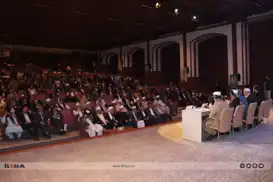
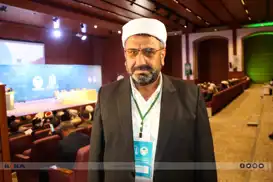
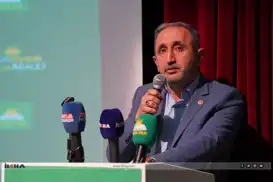
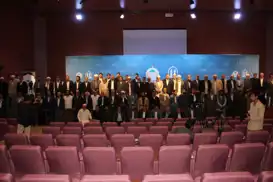
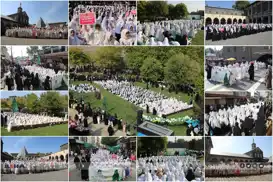
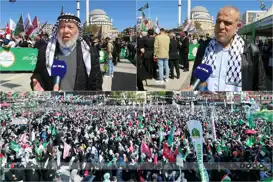
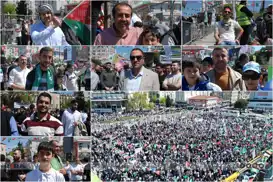
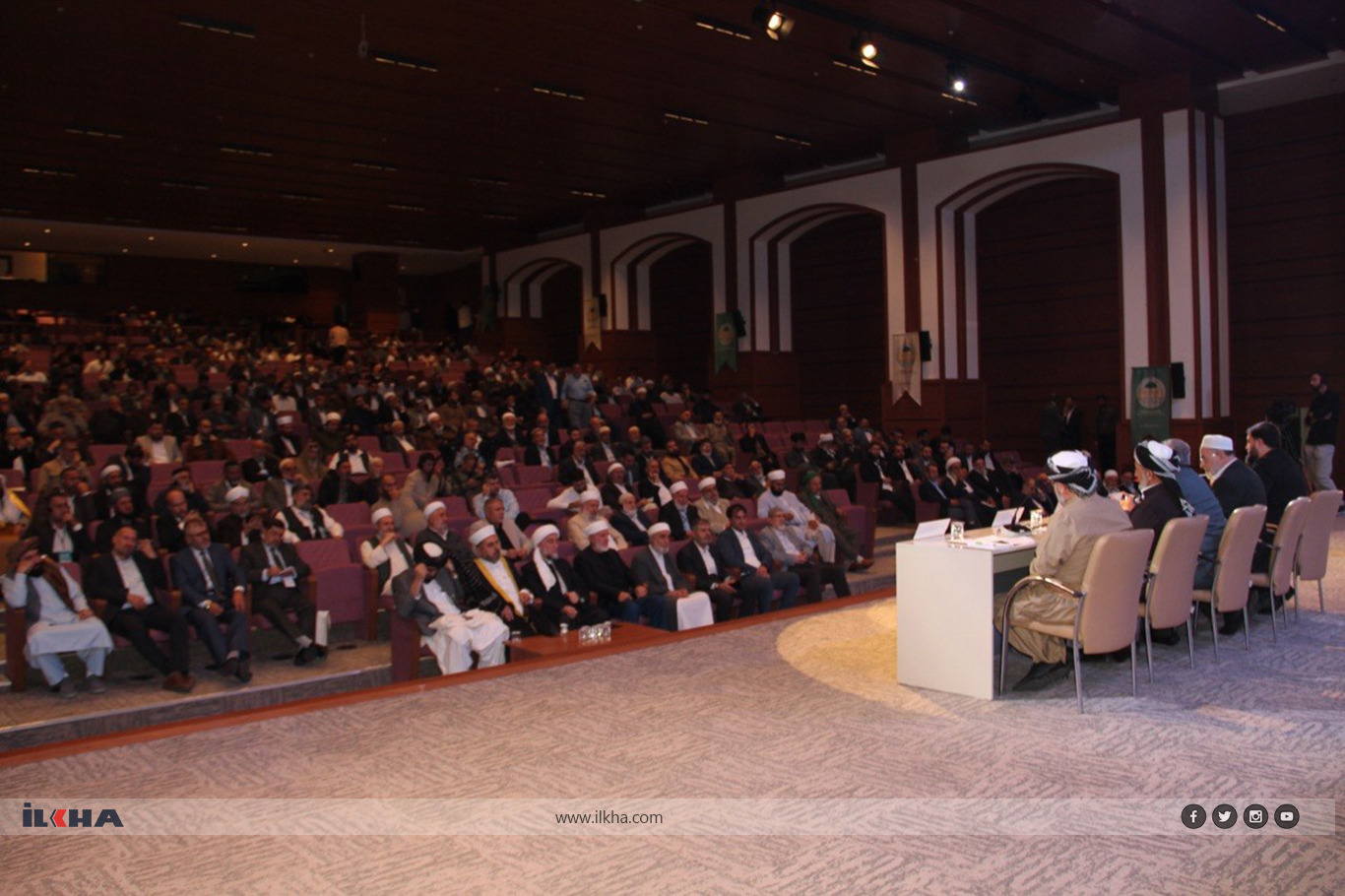
Islamic scholars and community leaders who attended the 11th Scholars’ Meeting in Diyarbakır have praised İTTİHADUL ULEMA for bringing together scholars from across the Muslim world, addressing the challenges facing the Islamic ummah and keeping Palestine and Gaza at the center of discussions.
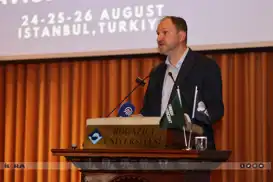
Organized by the Association of Scholars and Madrasas (İTTİHADUL ULEMA) last weekend under the theme “Methodology in Da‘wah (Islamic Outreach) and New Horizons,” the gathering brought together scholars, academics and opinion leaders from numerous countries to discuss Islamic outreach, guidance and the challenges confronting Muslim communities.
Participants described the meeting as an important platform for strengthening Muslim brotherhood, overcoming divisions and renewing the prophetic mission of inviting people to Islam. They also praised the organizers for addressing Gaza in the third year since the launch of the Al-Aqsa Flood operation, at a time when sectarian tensions and divisions continue to challenge Muslim unity.
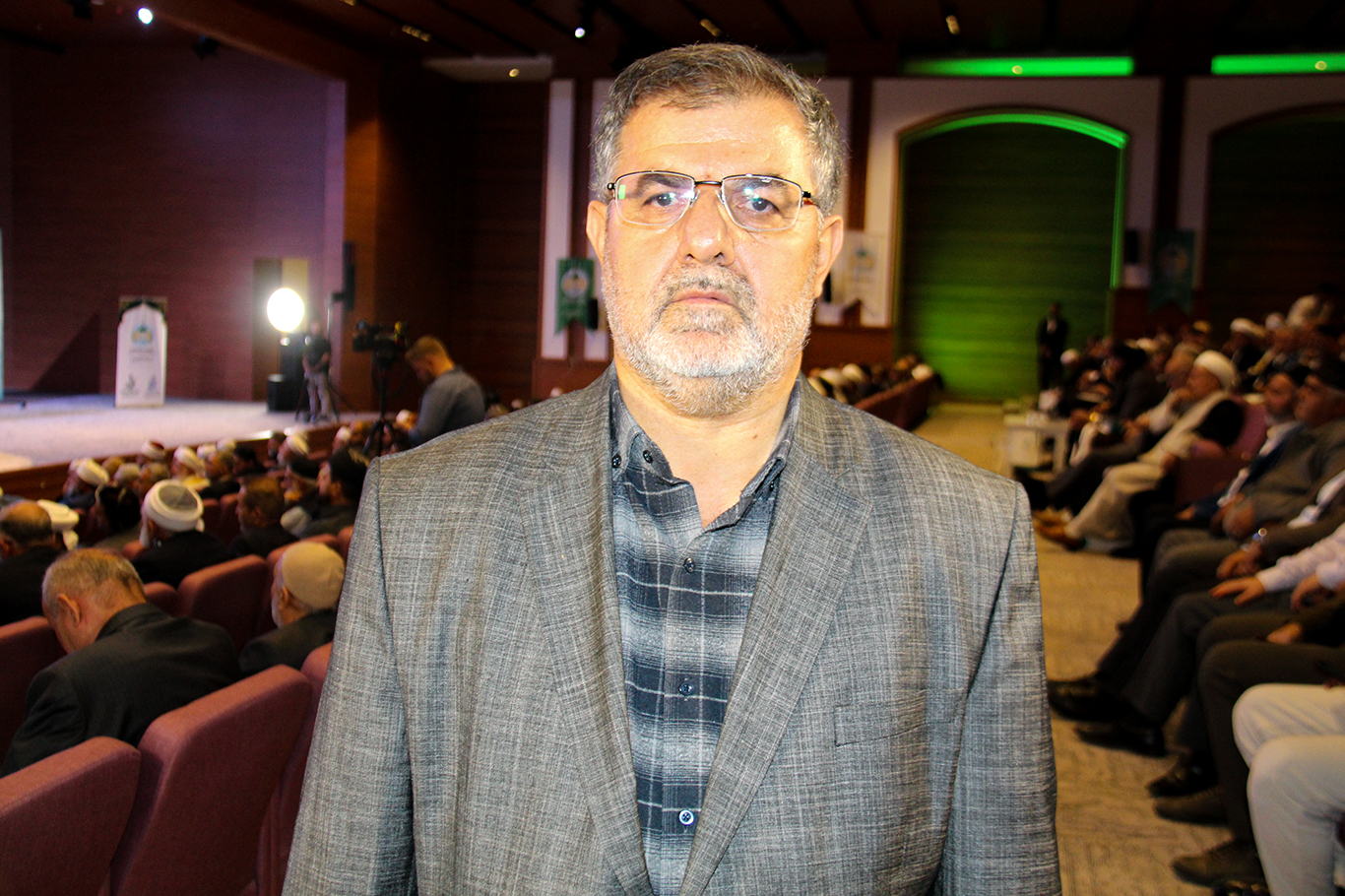
Scholars’ Unity Essential for the Ummah’s Future
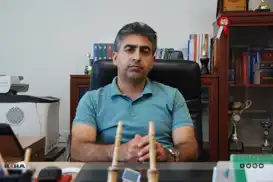
Molla Cüneyt Özmen, who said he had attended the first Scholars’ Meeting and was also present at its 11th edition, described the gathering as a source of hope for the Muslim world.
“This is a very great gathering,” Özmen said, stressing that bringing together scholars from Kurdistan and other regions was essential to addressing the difficulties facing the ummah.
He said Muslim scholars must come together on the foundations of knowledge, the Qur’an and the Sunnah, exchange views and assume a greater leadership role in guiding the Muslim community.
“In this century, the ummah has been left without a head,” he said, expressing hope that scholars would unite and provide the leadership needed to address its challenges.
Özmen also praised İTTİHADUL ULEMA for sustaining the initiative and prayed for the organization's continued success.
Assessing this year's theme, he highlighted da‘wah, youth, family and brotherhood as essential pillars of Muslim unity.
“These are the fundamental elements that will ensure the unity and cohesion of the ummah,” he said, arguing that the Muslim community cannot achieve genuine solidarity without strengthening these foundations.
He added that the prophets had placed invitation to Islam, brotherhood and family at the heart of their missions, making these values equally important in confronting the challenges of the modern world.
Özmen further argued that these foundations had come under sustained attack and said scholars had a responsibility not only to explain their importance but also to demonstrate how they could be put into practice.
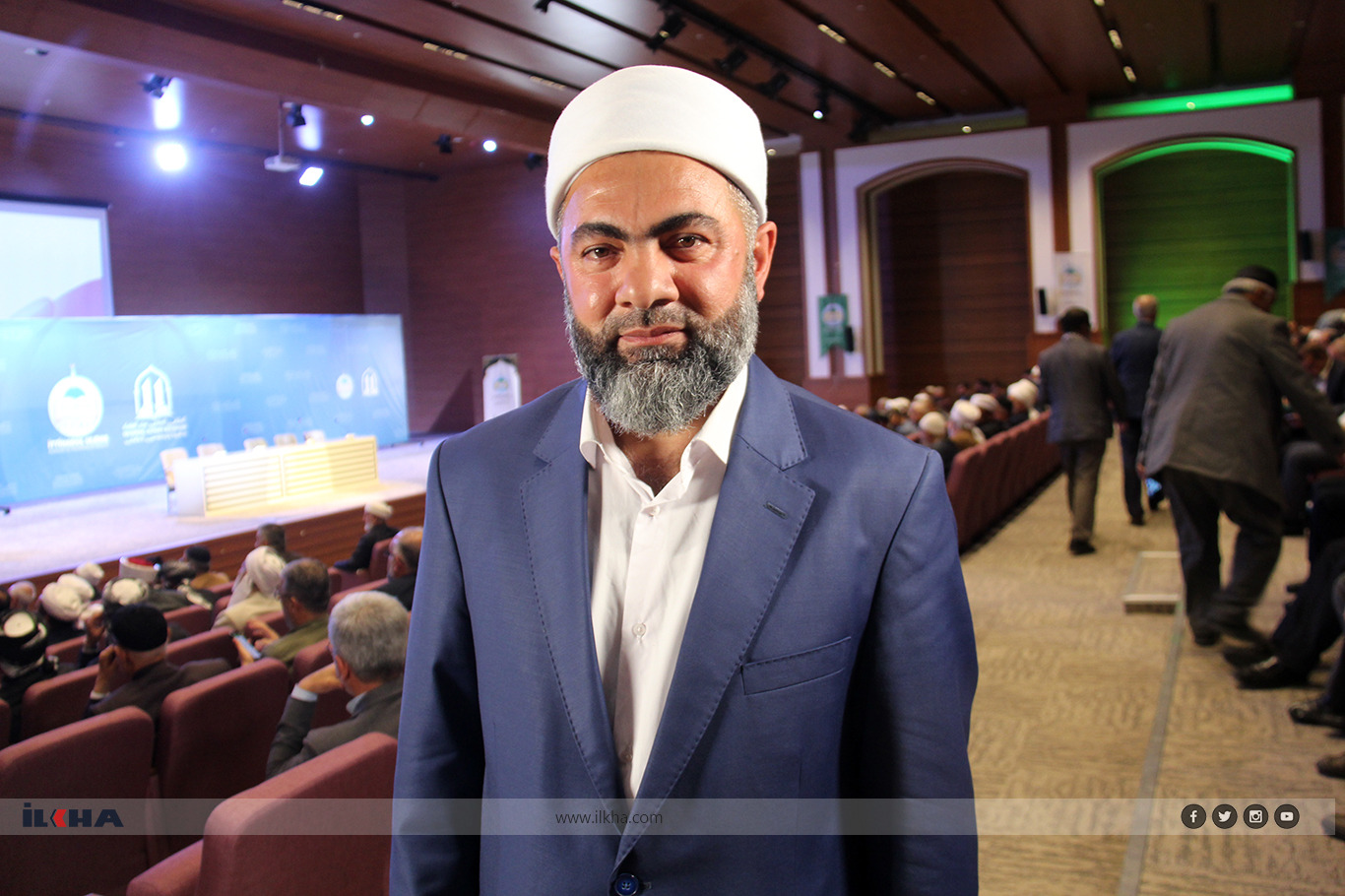
Gathering Reflects the Unity Muslims Need
Mustafa Sakçı, chief mudarris of the Istanbul Dar-ul Qur’an Foundation, said the meeting had grown in scale over the years, bringing together an increasing number of scholars and Muslims from different countries.
Speaking in Diyarbakır, which he described as a city associated with prophets and companions, Sakçı said the gathering offered a tangible example of the solidarity needed across the Muslim world.
“Here today we see the unity, solidarity, and oneness that the ummah needs most,” he said.
Sakçı also highlighted a message attributed to the mufti of Afrin, who said that years of efforts by Zionists had failed to turn Kurds, Arabs and Turks in Syria against one another, emphasizing their shared Muslim brotherhood.
He said the choice of da‘wah and tabligh — conveying the message of Islam — as the meeting's central theme was particularly timely.
According to Sakçı, Muslims had become less attentive to tabligh, a central method of the prophets, and needed to renew their commitment to reaching people through religious education and community engagement.
He called on scholars and those involved in Islamic outreach to continue their efforts in mosques, madrasas, streets, homes and neighborhoods, stressing that the responsibility should not be confined to formal religious settings.
Sakçı thanked İTTİHADUL ULEMA for placing the issue at the center of its annual gathering and urged participants to turn its discussions into sustained action.
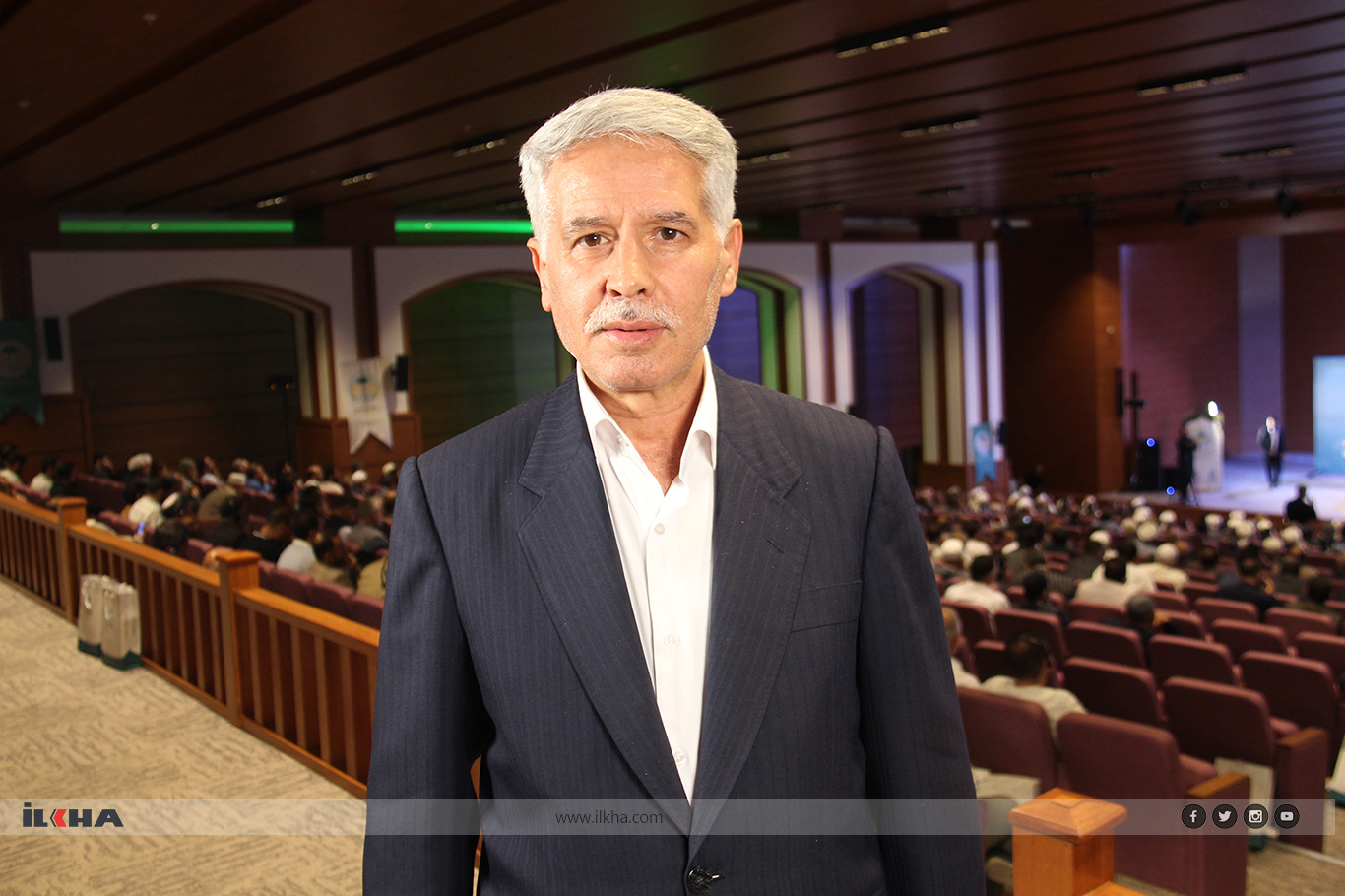
Gaza and Boycott Must Remain Priorities
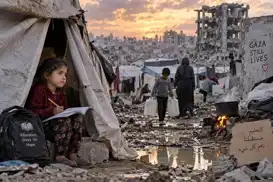
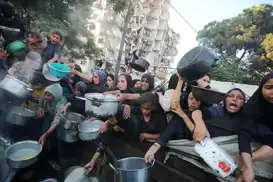
Mücahit Çelik, Bingöl branch chairman of Diyanet-Sen, emphasized that Gaza must remain a central concern for Muslims and called for continued solidarity with Palestinians resisting Israel's assault.
Beginning his remarks by recalling a wish attributed to martyred Hamas founder Sheikh Ahmed Yassin concerning the future of Israel, Çelik thanked those who had contributed to organizing the meeting.
He said Palestinians in Gaza continued to endure immense suffering while standing firm, adding that Muslims elsewhere had a responsibility to support them through every available means.
“If patience falls to them, then contributing with our boycott falls to us,” Çelik said, urging Muslims to maintain consumer boycotts targeting products they believe support oppression.
“We will keep the boycott constantly on our agenda; we will never remove it from our agenda,” he said, arguing that economic choices should reflect solidarity with Palestinians.
Çelik also called for an end to the suffering in Gaza and expressed hope that Palestinians would achieve victory and freedom.
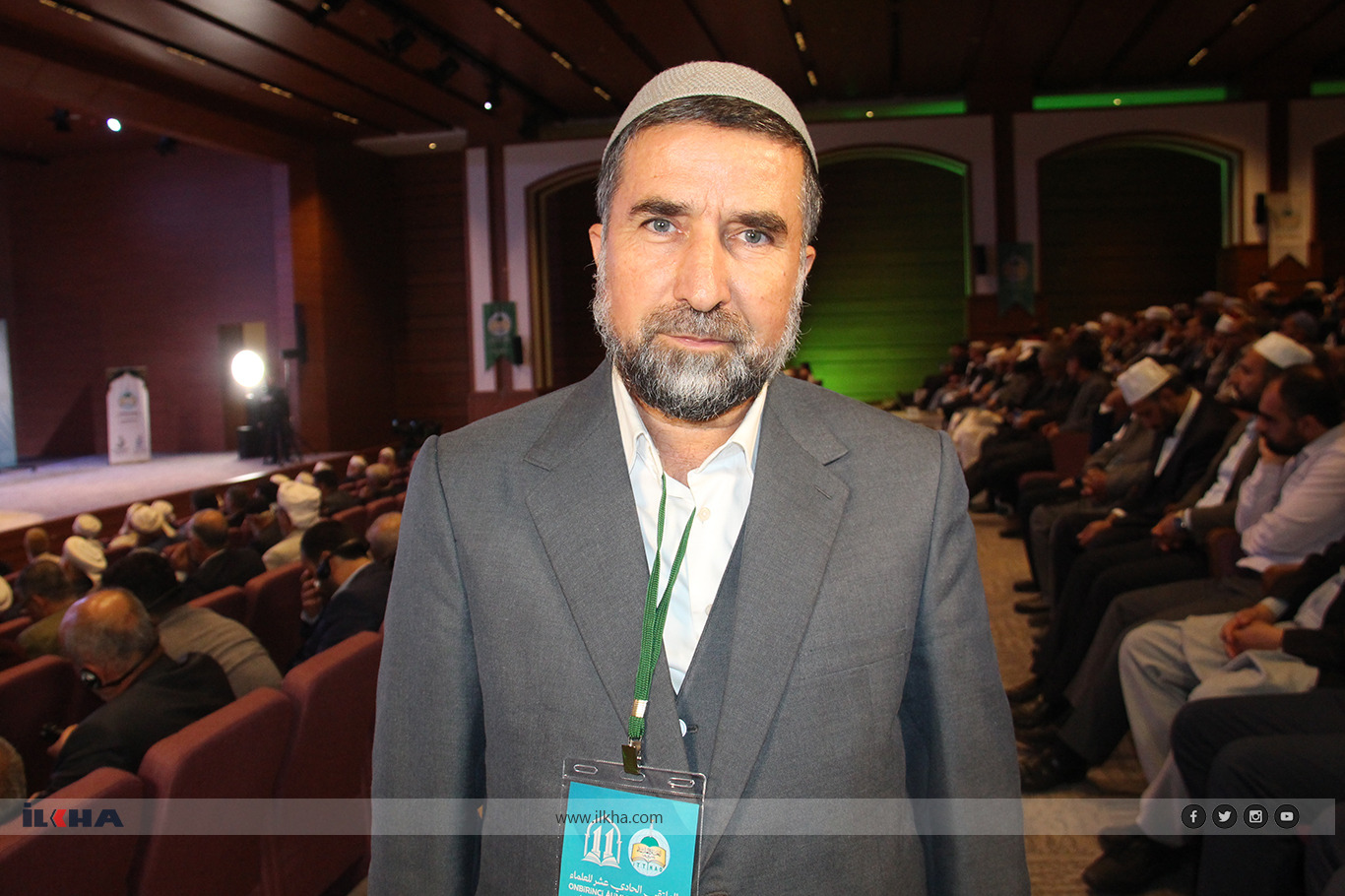
Al-Aqsa Flood a Lesson for the Entire Muslim World
Muhittin Ekinci, imam of Halidiye Mosque, said the meeting was particularly significant because it addressed the problems facing Muslims while keeping Gaza in focus three years after the Al-Aqsa Flood operation.
He described the developments of the preceding three years as a profound lesson for the entire Islamic world, not only for the people of Gaza and those concerned with Al-Aqsa Mosque.
“This is a test and an examination not only for the people of Gaza but for all Muslims,” Ekinci said, lamenting that the Muslim world had struggled to achieve unity despite the scale of the challenges confronting it.
He thanked İTTİHADUL ULEMA for organizing the international gathering, saying such platforms were essential for bringing Muslims together to discuss Palestine and other pressing issues affecting the ummah.
Ekinci stressed that conveying the message of Islam and guiding people toward what is right were responsibilities shared by all Muslims, regardless of their profession or level of religious knowledge.
He said this year's focus on tabligh and guidance served as a reminder that the duty of religious outreach extended beyond scholars to the wider Muslim community.
Ekinci expressed hope that the legacy of the Al-Aqsa Flood would not be forgotten and that it would ultimately contribute to greater unity and solidarity among Muslims.
The participants' messages converged on a common call: Muslim scholars and communities must strengthen their bonds of brotherhood, renew their commitment to the Qur’an and Sunnah, expand da‘wah and tabligh efforts, and maintain practical solidarity with Palestinians facing Israel's ongoing assault.
Through its 11th annual gathering, İTTİHADUL ULEMA once again provided a platform for scholars from different backgrounds to discuss shared concerns and call for a more united and engaged Muslim ummah. (ILKHA)
LEGAL WARNING: All rights of the published news, photos and videos are reserved by İlke Haber Ajansı Basın Yayın San. Trade A.Ş. Under no circumstances can all or part of the news, photos and videos be used without a written contract or subscription.
HÜDA PAR has condemned restrictions on headscarved students and teachers in Azerbaijan, urging the authorities to end the practices and uphold Muslims’ rights to education, employment and freedom of religion.
Turkish president reiterates regional peace and sovereignty, outlines defence cooperation, technological ambitions and efforts to bring wanted suspects back to Türkiye
Young girls who took part in the "I Intend to Wear the Hijab – Your Command Is Above All" programme organised by the Prophet Lovers Foundation(Peygamber Sevdalıları Platformu) in Diyarbakır shared their thoughts, saying they were happy to observe hijab as an act of obedience to Allah's command.