WHO confirms Nipah virus cases in West Bengal, no wider spread detected
 13 oC
13 oC 
Güneşli

Indian health authorities have confirmed two cases of Nipah virus (NiV) infection in West Bengal, triggering heightened surveillance and stricter infection control measures.
The World Health Organization (WHO) said the overall public health risk is considered moderate at the sub-national level, but remains low nationally, regionally, and globally.
In a statement issued on Friday, WHO said India’s National IHR Focal Point informed the agency on 26 January 2026 of the laboratory-confirmed cases involving two healthcare workers from the same private hospital in Barasat, in the North 24 Parganas district. The infections were confirmed by the National Institute of Virology (NIV) in Pune on 13 January using RT-PCR and ELISA testing.
The patients—a female nurse and a male nurse, both aged between 20 and 30—developed symptoms consistent with severe Nipah virus infection in late December 2025 and were admitted to hospital in early January. As of 21 January, one patient remains on mechanical ventilation, while the other, who had suffered serious neurological complications, has shown clinical improvement.
Following confirmation of the cases, health authorities identified and tested more than 190 contacts, including healthcare workers and community members. All test results were negative for Nipah virus, with laboratory support provided by a mobile Biosafety Level-3 unit deployed by NIV. The National Centre for Disease Control said on 27 January that no additional cases have been detected in West Bengal so far.
This is the third recorded Nipah virus outbreak in West Bengal, after earlier outbreaks in Siliguri in 2001 and Nadia district in 2007. Since the virus was first identified in India, the country has documented 13 outbreaks, most of them in the southern state of Kerala.
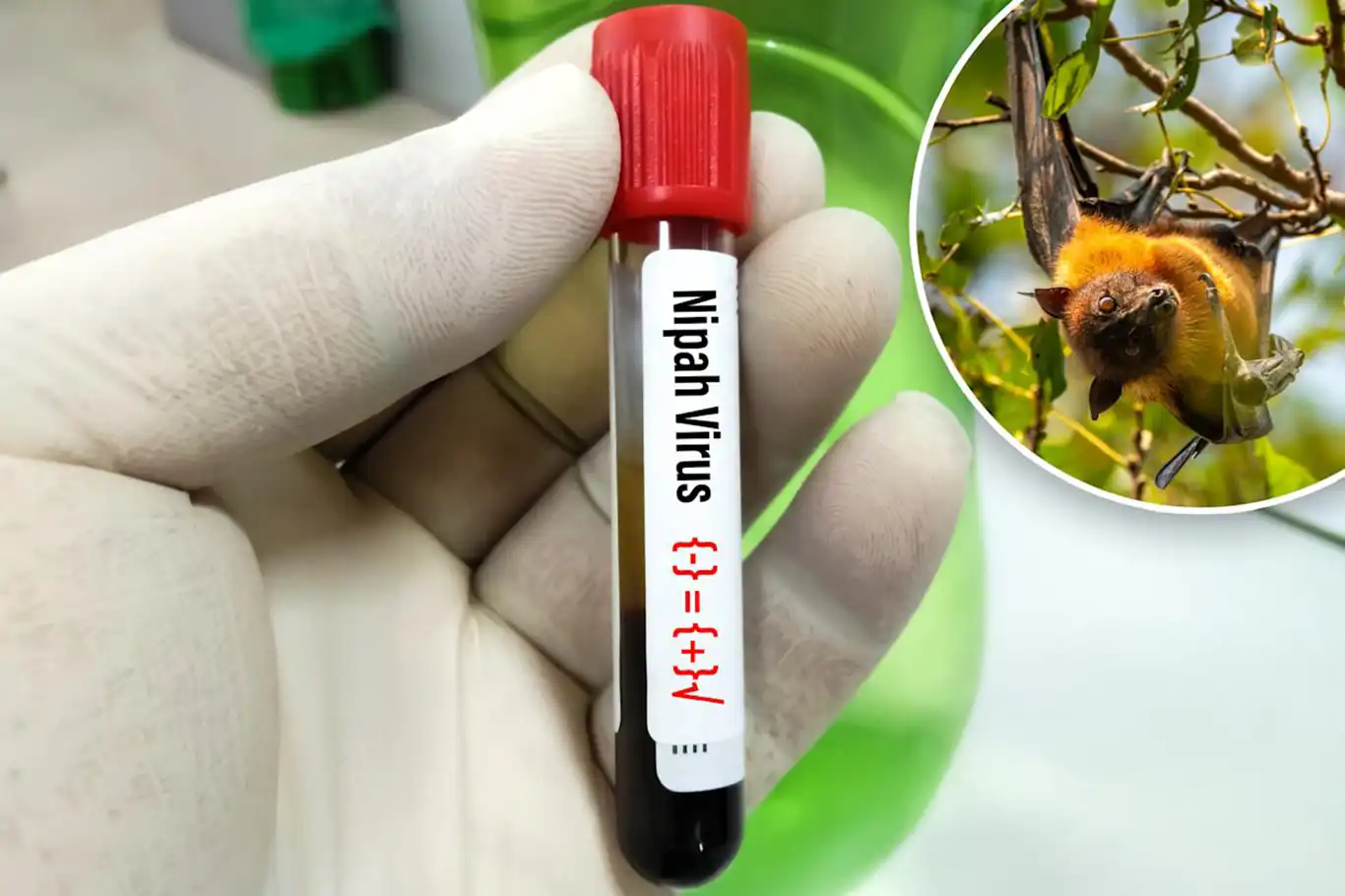
Nipah virus is a rare but highly lethal zoonotic disease, with reported fatality rates ranging from 40 to 75 percent. It is transmitted to humans through contact with infected animals—particularly fruit bats of the Pteropus genus—or through contaminated food. Person-to-person transmission has also been reported, especially in healthcare and caregiving settings.
There are currently no licensed vaccines or specific treatments for Nipah virus infection. Patient care focuses on early detection and intensive supportive treatment, particularly for severe respiratory and neurological complications.
Indian authorities, working closely with the West Bengal state government, have launched a comprehensive public health response. Measures include enhanced surveillance, active contact tracing, public awareness campaigns, and strengthened infection prevention and control practices in healthcare facilities. Investigations into the source of infection are ongoing, using a One Health approach that involves multiple sectors.
WHO noted that India has demonstrated strong capacity in managing Nipah outbreaks, supported by established surveillance systems, rapid response teams, and advanced laboratory capabilities. While the likelihood of further spread remains low, the agency stressed the importance of maintaining strict infection control measures, particularly in healthcare settings, to prevent secondary transmission.
At this stage, WHO does not recommend any travel or trade restrictions. (ILKHA)
LEGAL WARNING: All rights of the published news, photos and videos are reserved by İlke Haber Ajansı Basın Yayın San. Trade A.Ş. Under no circumstances can all or part of the news, photos and videos be used without a written contract or subscription.
Young children are disproportionately affected by unsafe food, with new World Health Organization (WHO) estimates revealing that contaminated food causes approximately 866 million illnesses and 1.5 million deaths worldwide each year.

Health experts are warning that the ongoing Ebola outbreak in the Democratic Republic of Congo (DRC) and Uganda could become one of the largest Ebola epidemics in modern history unless urgent international intervention is expanded.

Obesity rates in Türkiye have continued to rise, with new official data showing that more than one in five adults is now classified as obese, while physical inactivity remains widespread and tobacco consumption is increasing.

World Health Organization Director-General Dr. Tedros Adhanom Ghebreyesus has called on countries imposing travel restrictions and border closures in response to the ongoing Ebola outbreak to reconsider their measures, warning that such actions could undermine transparency and global solidarity efforts.