WHO urges countries to ease travel restrictions as Ebola outbreak spreads in central Africa
 13 oC
13 oC 
Güneşli

World Health Organization Director-General Dr. Tedros Adhanom Ghebreyesus has called on countries imposing travel restrictions and border closures in response to the ongoing Ebola outbreak to reconsider their measures, warning that such actions could undermine transparency and global solidarity efforts.
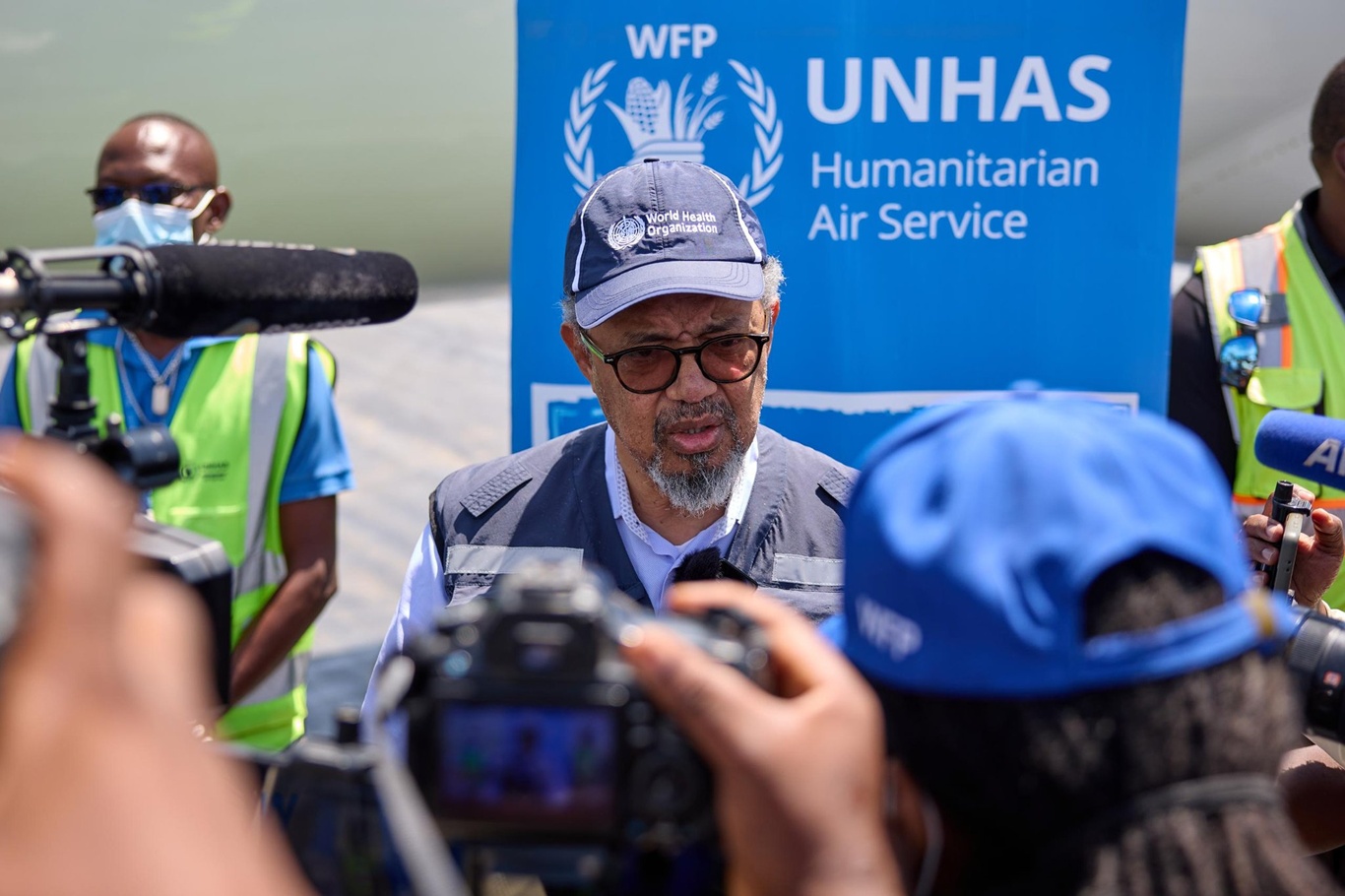
Speaking at a news conference in Bunia, the capital of Ituri province and the epicenter of the outbreak, Tedros emphasized that “unity and solidarity are the best weapons of protection against the Ebola epidemic.” He stressed that travel bans risk discouraging countries from reporting cases openly, potentially hampering the international response.
Several nations have already tightened measures. Canada and the United States have imposed travel restrictions and visa suspensions affecting residents from the Democratic Republic of Congo (DRC), Uganda, and South Sudan. Rwanda has barred entry to foreign nationals who have traveled through Congo in the past 30 days, while both Rwanda and Uganda have limited cross-border movement from affected areas in the DRC.
The current outbreak, caused by the Bundibugyo strain of Ebola — for which no approved vaccine or specific treatment currently exists — was declared in mid-May 2026. It has since spread rapidly across eastern DRC and into Uganda, compounded by ongoing conflict, population displacement, and insecurity that complicate contact tracing and response efforts.
As of late May 2026, the Ebola outbreak has resulted in over 900 suspected cases and more than 220 suspected deaths in the Democratic Republic of Congo. Confirmed cases in the DRC stand at around 125, with 17 deaths reported, and the virus has now spread to multiple health zones across Ituri, North Kivu, and South Kivu provinces.
In Uganda, authorities have recorded 9 confirmed cases, including 1 death, several of which are linked to cross-border travel from the DRC. Combined, the two countries have reported 134 confirmed cases and 18 deaths, representing a case fatality rate of approximately 14% among confirmed cases.
Tedros, who visited the epicenter, highlighted the importance of community-centered responses. “We are not here to tell people what to do. We are here to listen,” he said. “Communities understand their own challenges and their own solutions. Our role is to support you in implementing those solutions, together.”
Health authorities note that the Bundibugyo strain is generally less lethal than the Zaire strain but spreads in a challenging environment marked by armed conflict, hunger, and limited healthcare access. WHO has declared the outbreak a Public Health Emergency of International Concern (PHEIC) but not a pandemic emergency.
The situation remains fluid, with suspected cases continuing to rise. International partners, including WHO, are scaling up surveillance, contact tracing, clinical care, and community engagement while urging countries to support — rather than isolate — the affected region through evidence-based measures. (ILKHA)
LEGAL WARNING: All rights of the published news, photos and videos are reserved by İlke Haber Ajansı Basın Yayın San. Trade A.Ş. Under no circumstances can all or part of the news, photos and videos be used without a written contract or subscription.

Health experts are warning that the ongoing Ebola outbreak in the Democratic Republic of Congo (DRC) and Uganda could become one of the largest Ebola epidemics in modern history unless urgent international intervention is expanded.

Obesity rates in Türkiye have continued to rise, with new official data showing that more than one in five adults is now classified as obese, while physical inactivity remains widespread and tobacco consumption is increasing.
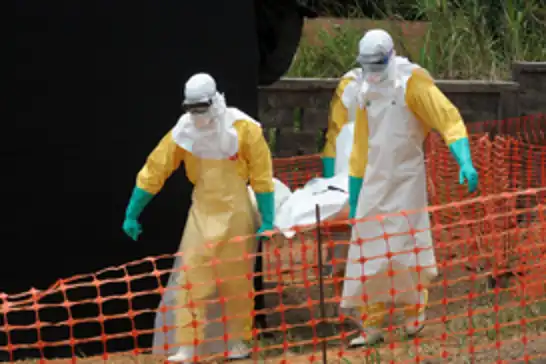
A rapidly expanding Ebola outbreak utilizing a rare, vaccine-resistant strain has surpassed 1,000 suspected cases across the Democratic Republic of the Congo (DRC) and neighboring Uganda, triggering a massive international containment effort.