IOM: Over 6 million Afghans return as reintegration challenges deepen
 13 oC
13 oC 
Güneşli

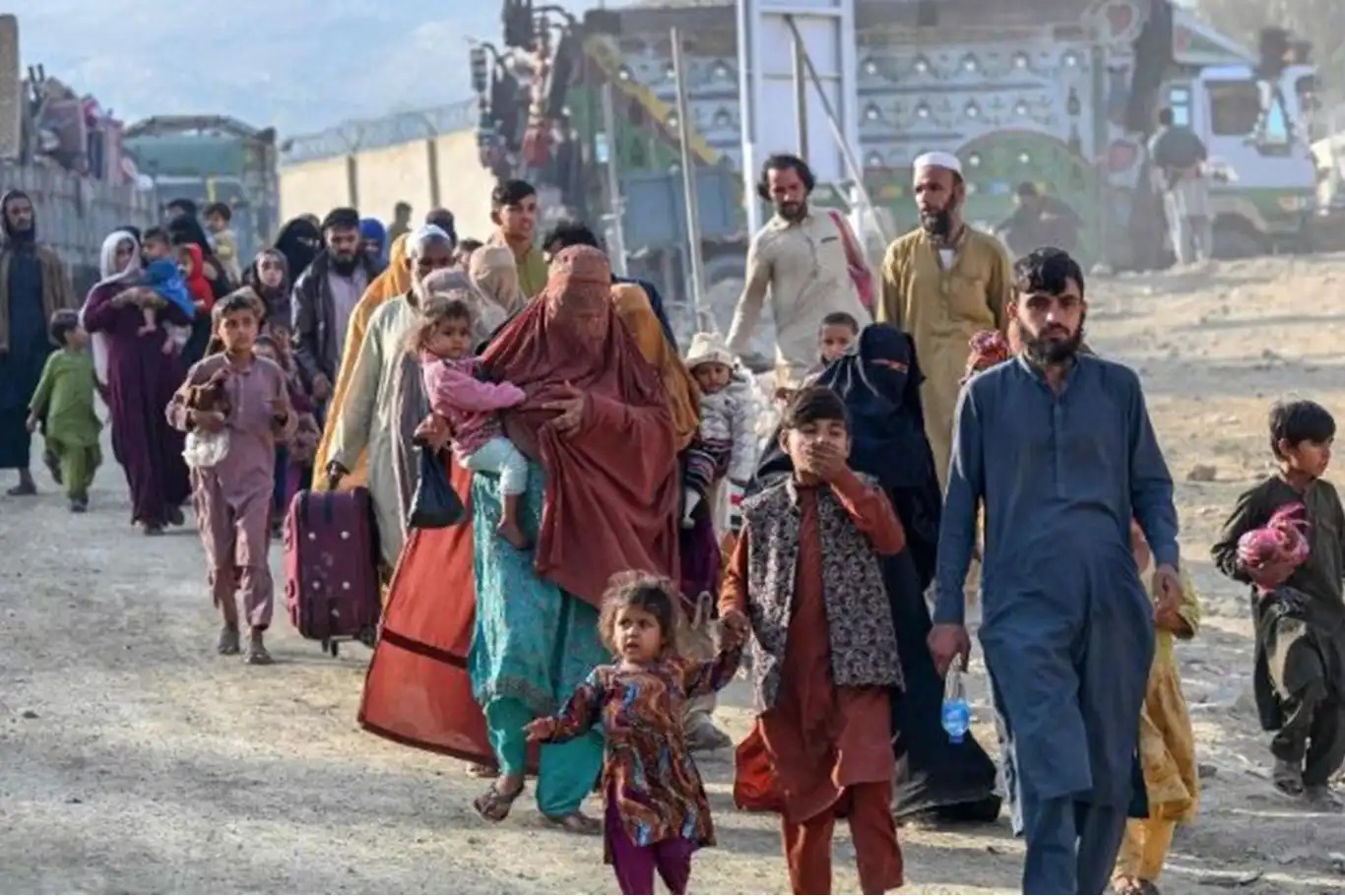
The International Organization for Migration (IOM) has reported that more than 6.04 million Afghan nationals have returned to Afghanistan from Iran and Pakistan between September 2023 and May 2026.
The organization warned that the scale and speed of returns are creating major challenges for reintegration, stressing that urgent and coordinated support is needed to strengthen long-term resilience in affected communities.
According to the report, many returnees arrive with limited access to housing, employment, public services, and civil documentation. A large number are returning after years or even decades abroad, often with weak social networks and limited familiarity with local administrative systems.
The IOM emphasized that effective reintegration strategies are essential not only for the well-being of returnees but also for maintaining stability within host communities and supporting broader social cohesion.
The organization noted that Afghanistan’s absorption capacity is under increasing strain as returnee flows continue at a rapid pace. Humanitarian agencies have repeatedly warned that existing infrastructure, job markets, and public services are struggling to meet growing demand.
In recent updates from humanitarian partners in the region, aid groups have reported shortages in shelter assistance, rising unemployment in return areas, and increased pressure on local health and education systems—particularly in border provinces receiving the highest number of returnees.
Afghan policy experts and civil society figures have called for expanded international assistance and stronger domestic coordination to manage the crisis.
Economic analyst Abdul Zohor Modaber noted that while some returnees bring valuable skills and experience, others require substantial support to reintegrate into the labor market.
“Some returnees possess valuable skills, expertise, and knowledge and can contribute productively to the country’s workforce and economy. However, others lack the necessary skills and education, and the government needs to provide them with full support,” he said.
Migrant rights activist Ali Reza Karimi stressed that both international organizations and Afghan authorities must share responsibility in addressing the challenge.
“International organizations should support returnees through temporary shelter, humanitarian assistance, education, and job creation. At the same time, the Islamic Emirate of Afghanistan should facilitate returnees’ access to employment, education, and essential services,” he said.
Many returnees interviewed by local media described difficult conditions in host countries prior to their return, including detention, economic hardship, and restrictions on residency.
The return movement comes amid continued tightening of migration policies in Iran and Pakistan, where authorities have increased deportations and residency enforcement in recent years. Humanitarian agencies have warned that these policies, combined with economic pressures in host countries, are likely to sustain high levels of return migration.
International organizations and Afghan authorities have repeatedly called on host countries to ensure that returns are voluntary, safe, and dignified, while also urging greater investment in reintegration programs to prevent further instability.
Aid agencies caution that without sustained international funding and coordinated planning, Afghanistan may face long-term socio-economic strain as returnee numbers continue to rise. (ILKHA)
LEGAL WARNING: All rights of the published news, photos and videos are reserved by İlke Haber Ajansı Basın Yayın San. Trade A.Ş. Under no circumstances can all or part of the news, photos and videos be used without a written contract or subscription.

The Palestinian Asra Media Office has exposed harrowing new details of a violent and degrading crackdown by Israeli prison authorities against Palestinian female detainees at Damon Prison on May 13, highlighting yet another chapter in Israel’s systematic abuse of Palestinian prisoners.

North Korea’s influential sister of leader Kim Jong Un, Kim Yo Jong, has firmly condemned the Group of Seven (G7) nations’ renewed call for the country’s denuclearisation, labeling it a violation of North Korea’s constitution and a direct infringement on its sovereignty.

Israeli Foreign Minister Gideon Saar declared on Thursday that he was cutting "all contact" with EU foreign policy chief Kaja Kallas after she reportedly compared Israel's treatment of Palestinians to the racist apartheid regime in South Africa.