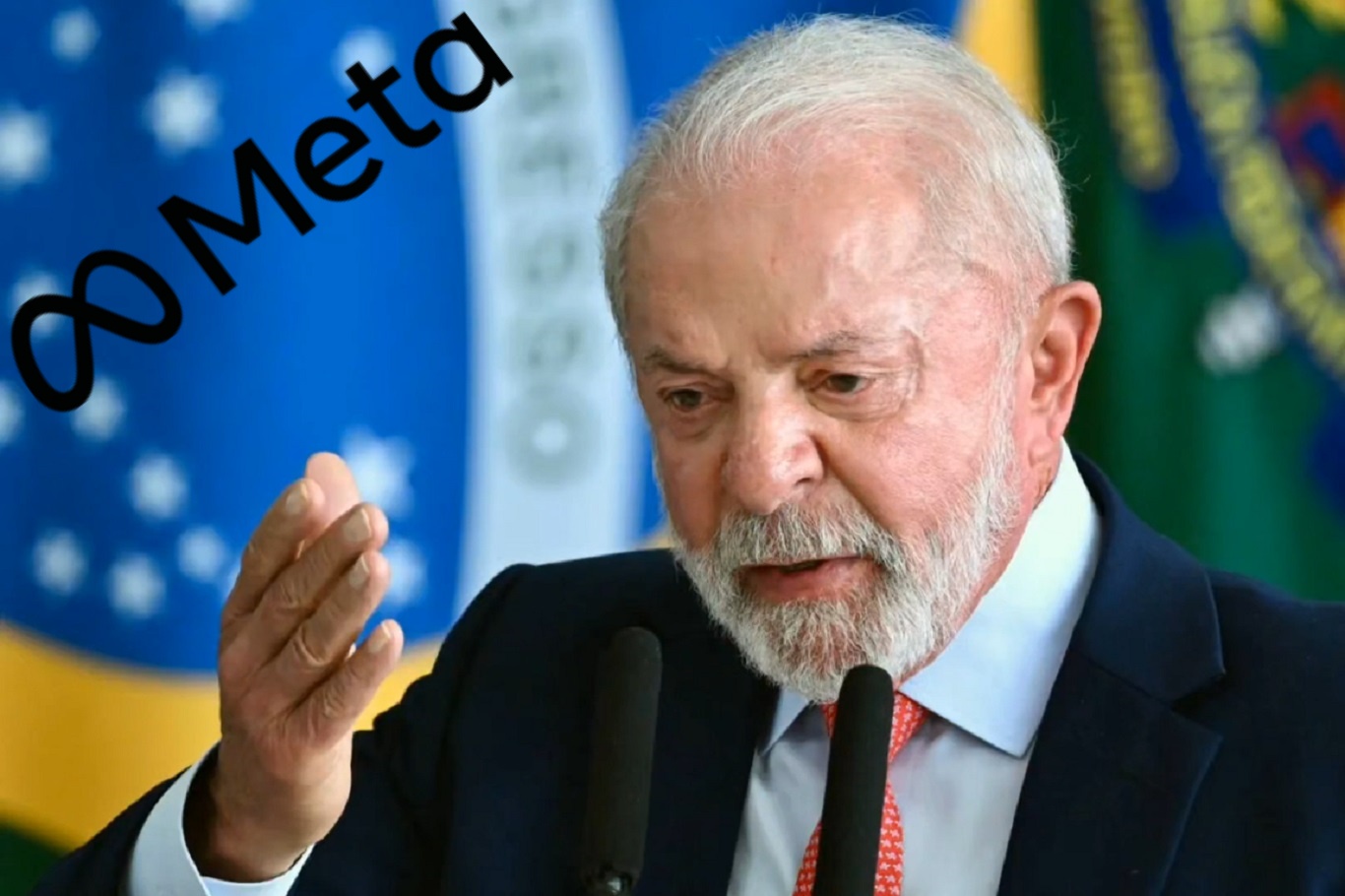
Brazilian electoral court orders Meta to ensure equal treatment of presidential candidates
 13 oC
13 oC 
Güneşli

A judge on Brazil’s top electoral court has ordered Meta to take immediate measures to ensure equal treatment of presidential candidates Luiz Inácio Lula da Silva and Flávio Bolsonaro ahead of an October 25 runoff election.
Justice Marco Aurélio Bellizze ruled on Thursday that the company, which owns Facebook, Instagram and WhatsApp, must not restrict the distribution of political content, limit search results or remove posts in ways that create an imbalance between the two candidates.
The ruling also requires Meta to ensure that its artificial intelligence tools apply the same criteria to both campaigns. The company faces a daily fine of 500,000 reais (approximately $98,000) if it fails to comply.
The decision follows a complaint filed by Lula’s campaign, which accused Meta of using biased algorithms and artificial intelligence restrictions that allegedly disadvantage the incumbent president while benefiting his main challenger, Flávio Bolsonaro, the son of former President Jair Bolsonaro.
According to the complaint, Lula’s campaign materials and organic posts have faced unjustified reductions in reach, while accounts and advertisements associated with Bolsonaro have reportedly received artificially inflated visibility.
The campaign also alleged that Meta had failed to comply with a plan submitted to the electoral court to address the issue.
Lula’s campaign further claimed that Meta’s artificial intelligence tools apply inconsistent restrictions to political content.
According to the complaint, users have been unable to generate campaign images supporting the 80-year-old president through WhatsApp’s Meta AI feature, while similar requests promoting Bolsonaro have reportedly been allowed.
Lawyers Gean Ferreira and Evelyn Santos said Meta’s content distribution system appeared to restrict material from Lula and his supporters while giving disproportionate visibility to accounts supporting the opposition candidate.
The lawyers argued that content from the incumbent’s campaign was being restricted without adequate justification or transparency, while accounts allegedly operating as political campaign networks for Bolsonaro were receiving unusually high levels of engagement.
Lula’s campaign has asked the electoral court to end the alleged restrictions immediately and order Meta to compensate for the lost reach by doubling the distribution of affected content.
Meta declined to comment on Thursday’s ruling.
The dispute comes as Brazil prepares for a closely contested presidential runoff on October 25.
Bolsonaro secured 47% of the vote in the first round on October 4, compared with 45% for Lula, according to the reported results.
On October 11, after users began raising concerns about their experience with Meta’s services, the company told the electoral court that it rejected accusations of political bias in favor of Bolsonaro.
Meta acknowledged technical glitches affecting accounts, including those outside Brazil, but said it complied fully with the country’s electoral regulations and was committed to providing equal access to its platforms for all political parties.
The court’s ruling places renewed scrutiny on the role of major social media platforms and artificial intelligence tools in Brazil’s closely fought presidential contest, particularly over allegations that content distribution systems could influence voters’ access to campaign messages. (ILKHA)
LEGAL WARNING: All rights of the published news, photos and videos are reserved by İlke Haber Ajansı Basın Yayın San. Trade A.Ş. Under no circumstances can all or part of the news, photos and videos be used without a written contract or subscription.
A proposal to introduce centrally coordinated Friday sermons in mosques across Indian-administered Jammu and Kashmir has been shelved following strong opposition from Muslim scholars, religious leaders and political figures, who described the move as interference in the religious affairs of the region's Muslim community.
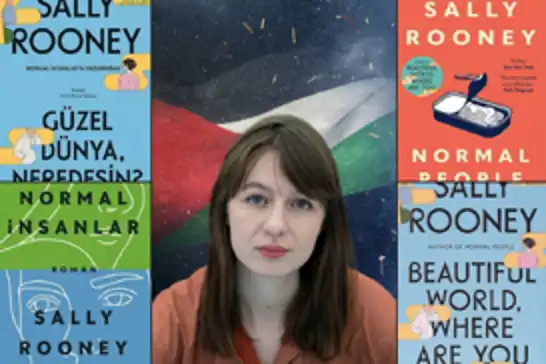
The distribution of books by Irish author Sally Rooney has been suspended in the United Kingdom after her decision to donate future royalties to the pro-Palestinian campaign group Palestine Action, reigniting debate over freedom of expression, anti-terrorism legislation and solidarity with Palestine.
Foreign ministers from 19 countries have strongly condemned Colombia’s inauguration of its embassy in occupied Jerusalem, denouncing the move as a violation of United Nations resolutions and a blow to international efforts to secure a just and lasting peace for the Palestinian people.