İDEV urges Azerbaijan to lift headscarf restrictions in schools
 13 oC
13 oC 
Güneşli

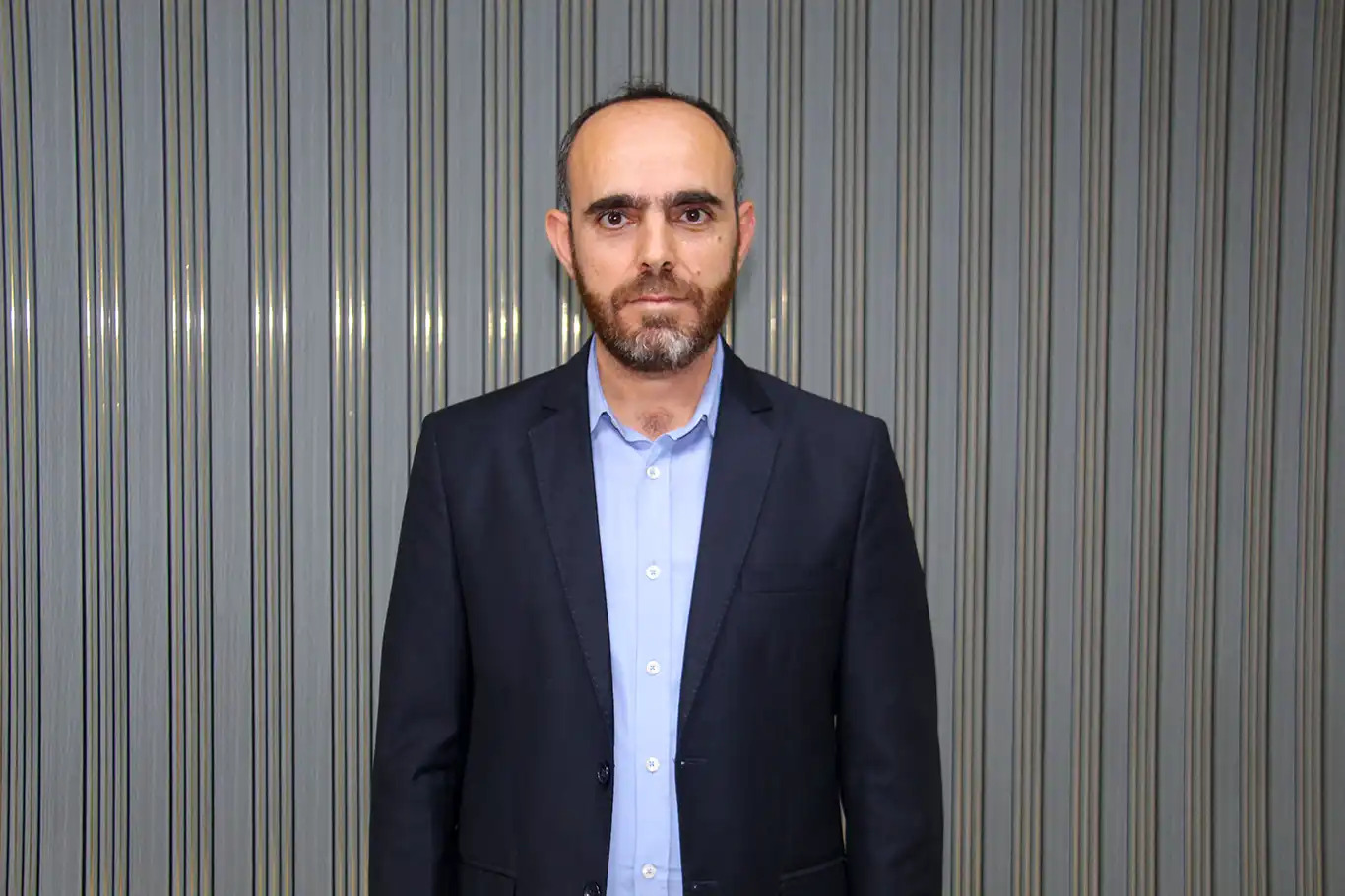
İDEV Chairman Fatih Taş condemns restrictions on headscarved students and calls on President Erdoğan to use diplomatic channels to resolve the issue, drawing parallels with Türkiye’s February 28 process.
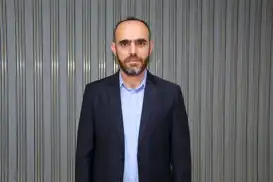
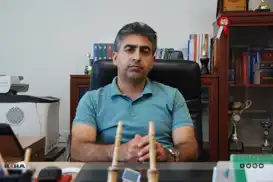
The Chairman of the Ideal Education Foundation (İDEV), Fatih Taş, has condemned restrictions preventing headscarved students from attending schools in Azerbaijan, calling on the Azerbaijani authorities to reverse the decision and urging Turkish President Recep Tayyip Erdoğan to intervene through diplomatic channels.
Taş said the restrictions violated students’ right to education and freedom of belief, warning that Azerbaijan risked repeating the mistakes Türkiye made during the February 28 process, when headscarved students and women faced restrictions in education and public life.
“The images coming from Azerbaijan in recent days, showing headscarved students being denied entry to school, are deeply distressing,” Taş said. “We remember the injustices experienced in the past, and these images bring those painful memories back. That is why this issue has drawn particular attention in Türkiye and among Muslim communities.”
“The wounds of February 28 have not fully healed”
Taş said the restrictions in Azerbaijan were particularly troubling because of Türkiye’s own experience with headscarf bans. He said the Azerbaijani authorities had introduced a common school uniform policy, citing the incompatibility of the headscarf with the uniform and the principle of secularism as justification for the restrictions.
He added that the issue appeared to extend beyond students, with reports that administrators at some schools had also prevented headscarved teachers from entering.
“This is a picture we know all too well,” Taş said. “For years in Türkiye, headscarved students were denied access to schools, women were barred from public buildings, and many were prevented from working in the public sector because of their clothing.”
Reflecting on the February 28 process, he said those responsible for the restrictions had long claimed that their measures would shape Türkiye for generations, but the consequences of their actions remained a painful part of the country’s history.
İDEV calls on Azerbaijan to reverse the decision
Taş said the restrictions were difficult to understand given the close ties between Türkiye and Azerbaijan, often described by the slogan “One nation, two states.”
He argued that Azerbaijan should take Türkiye’s past experiences into account rather than introduce policies that could deepen social divisions and provoke public backlash.
“Given the close relationship between the two countries, it is difficult to understand why Azerbaijan would adopt a policy that has already caused serious problems in Türkiye,” he said. “The authorities need to recognise the harm this decision is causing and reverse it as soon as possible, rather than allow more students and families to suffer.”
Taş warned that the restrictions could generate growing resentment among students, parents and wider society, urging the Azerbaijani administration to resolve the issue without further delay.
Türkiye is still dealing with the consequences of February 28
Taş said the restrictions imposed during the February 28 period had left lasting marks on Türkiye’s education system and society, particularly through measures targeting Imam Hatip schools.
He argued that policies introduced without adequately considering their social consequences had undermined educational opportunities and left stereotypes about religious schools that persisted long after the restrictions were eased.
“Even today, Türkiye continues to carry the marks of February 28,” Taş said. “Despite efforts to improve education, the consequences of those policies have not been fully erased.”
He added that measures intended to restrict Imam Hatip schools had affected generations of students from religious families, while perceptions that these schools offered an inferior education continued despite their earlier achievements.
“Students should not be excluded because they wear the headscarf”
Taş also criticised the impact of the restrictions on students’ dignity and educational prospects, arguing that excluding students because of their religious dress undermined efforts to improve education.
He said images of headscarved students being turned away from school or watching their classmates through windows could damage Azerbaijan’s international reputation and raise questions about its commitment to educational equality.
“You may introduce projects and take steps to improve the quality of education, but what message does it send when students are denied access to school simply because they wear the headscarf?” he said.
Taş questioned how students, teachers and parents could remain motivated in an educational environment where some children were allowed into classrooms while others were excluded on the basis of their religious clothing.
He added that using secularism to justify such restrictions was particularly troubling because Türkiye had already experienced the social consequences of similar policies.
“Preventing Muslim children from receiving an education because they wear the headscarf is incompatible with freedom of belief,” he said, arguing that Azerbaijan should not revive practices that had caused serious grievances elsewhere.
Taş urges Erdoğan to raise the issue with Aliyev
Pointing to the close political, economic and social ties between Türkiye and Azerbaijan, Taş called on President Erdoğan to use his relationship with Azerbaijani President Ilham Aliyev to help end the restrictions.
He said Erdoğan’s influence and personal ties with Aliyev could provide an opportunity to address the issue through dialogue.
“Türkiye and Azerbaijan have strong relations, and we know that the two presidents also have close ties,” Taş said. “I believe President Erdoğan should take the initiative, convey his concerns to the Azerbaijani administration and ask President Aliyev to put an end to these restrictions.”
Taş also noted that Erdoğan’s family had experienced the consequences of headscarf restrictions in the past, saying this history could help him understand the difficulties faced by students now being turned away from schools in Azerbaijan.
İDEV calls for constitutional protection of headscarf freedom in Türkiye
Taş said the situation in Azerbaijan should also prompt Türkiye to strengthen its own legal protections for religious freedom, warning that existing regulations did not provide sufficient guarantees against a possible return of restrictions.
He argued that, without constitutional protection, a future change of government could reopen the door to policies targeting headscarved women and girls.
“The restrictions in Azerbaijan also make us reflect on our own situation,” he said. “There is no guarantee that a future government in Türkiye would not try to reintroduce similar practices if headscarf freedom is not constitutionally protected.”
Taş acknowledged that regulations introduced after 2007 had helped expand headscarf freedom, crediting Erdoğan and his government for their role in those changes. However, he said a constitutional guarantee was still needed to ensure that these rights could not be easily reversed.
He also pointed to recurring debates over access to mosques, children attending religious services, public employees taking part in Friday prayers and dress codes, saying such issues continued to raise concerns about freedom of belief in public life.
“Türkiye needs to take steps that can set an example,” Taş said. “If constitutional protection for headscarf freedom is necessary, it should be provided. If it is not done now, when the government has the opportunity to act, when will it be done?”
He called for concrete action to safeguard religious freedom in Türkiye while urging Azerbaijan to end the restrictions preventing headscarved students from attending school. (ILKHA)
LEGAL WARNING: All rights of the published news, photos and videos are reserved by İlke Haber Ajansı Basın Yayın San. Trade A.Ş. Under no circumstances can all or part of the news, photos and videos be used without a written contract or subscription.

Heavy rainfall triggered widespread flooding across Istanbul on Wednesday, inundating roads, homes and businesses, sweeping away parked cars and prompting authorities to close schools and introduce emergency measures.

Heavy rainfall that swept across Istanbul after warnings from the Turkish State Meteorological Service caused widespread flooding, disrupting daily life in several districts as roads, underpasses, homes and workplaces were inundated.
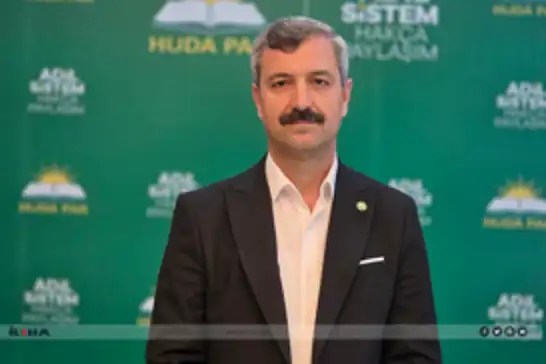
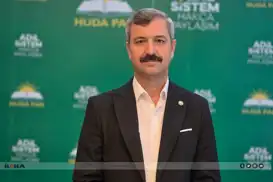
HÜDA PAR (Free Cause Party) Education Affairs Head Yahya Oğraş has called on Azerbaijani President Ilham Aliyev to immediately lift restrictions on the hijab in educational institutions, describing the measures as violations of fundamental rights, religious freedom and the dignity of Muslim women and girls.