Rare sand cat rediscovered in Tunisia after nearly 90 years
 13 oC

Güneşli

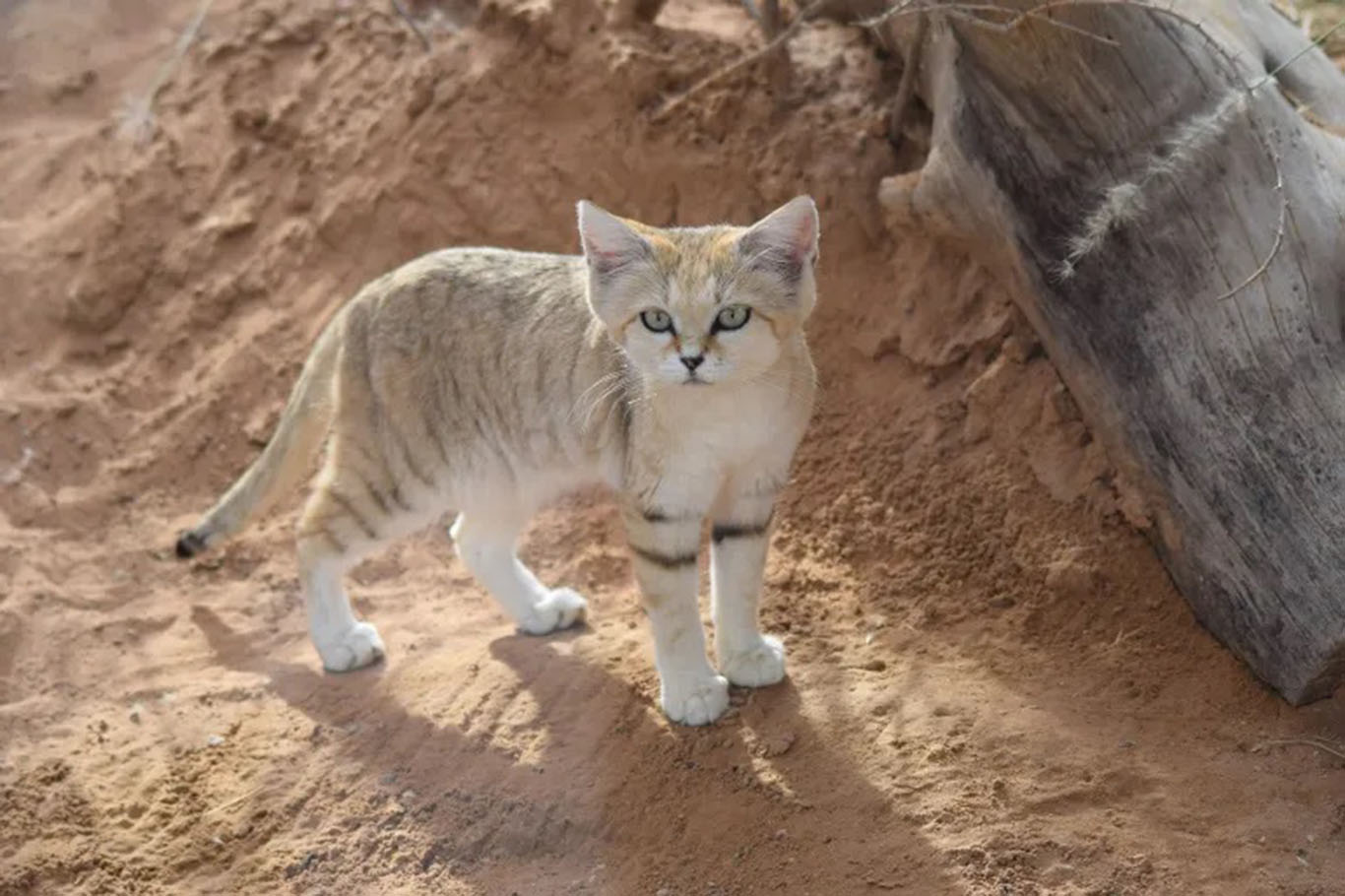
Scientists have confirmed the presence of the elusive sand cat (Felis margarita) in southwestern Tunisia for the first time in nearly a century, offering a rare glimpse of one of the desert’s most secretive wild felines.
Researchers documented the species at six locations in the country’s arid southwest, combining scientific observations with interviews of local residents, including shepherds and hunters. The findings, published in the journal Mammalia and reported in mid-November 2026, mark the first verified scientific records since 1935.
A key piece of evidence came from an accidental capture in December 2020 near Rjim Maatoug. A local set a trap intended for rabbits and instead caught a small sandy-colored cat with large ears. A nature activist identified it, filmed the animal, and released it unharmed. That footage, along with later field data and local testimony, helped reestablish the sand cat’s status in Tunisia.
The sand cat is uniquely adapted to extreme desert life. Its pale, sandy fur provides excellent camouflage against dunes and rocky terrain. Dense fur on its paw pads protects it from scorching sand, while highly sensitive hearing helps it detect prey moving underground. Primarily nocturnal, it rests in burrows by day and obtains most of its water from prey such as rodents, lizards, birds, and even venomous snakes. It inhabits both pure sand dunes and mixed sandy-stony areas with sparse desert vegetation.
Although the International Union for Conservation of Nature currently lists the sand cat as Least Concern due to its wide but patchy distribution across North African, Arabian, and Central Asian deserts, many experts note significant knowledge gaps and local declines. Habitat degradation from overgrazing, infrastructure development, and human activity remains the primary threat. Additional pressures include trapping (often incidental), competition or disease from domestic and feral dogs and cats, the illegal pet trade, and prolonged droughts that reduce prey. In Tunisia the species is legally protected year-round, yet illegal hunting continues to be reported. Researchers suggest the southwest of the country could serve as an important refuge for the species within the broader Sahara.
The Tunisian rediscovery follows other recent confirmations in the region, including documented populations in neighboring Libya. Conservationists hope these findings will encourage stronger monitoring, habitat protection, and public awareness to ensure the “desert ghost” remains more than a fleeting sighting. (ILKHA)
LEGAL WARNING: All rights of the published news, photos and videos are reserved by İlke Haber Ajansı Basın Yayın San. Trade A.Ş. Under no circumstances can all or part of the news, photos and videos be used without a written contract or subscription.

The United States and nine partner countries have signed an agreement to strengthen the security of critical technologies and supply chains underpinning artificial intelligence (AI), as Washington seeks to reinforce its technological position amid intensifying global competition.

Google has announced a $17 billion investment to build its first data centre in Wyoming, as the technology giant expands its digital infrastructure to meet growing demand for artificial intelligence and cloud computing.

A wave of suspected cyberattacks targeting supermarket refrigeration systems has spread across Europe, disrupting food storage facilities, forcing retailers to discard large quantities of food and raising concerns about the security of the continent's food supply chains.