Cyberattacks targeting supermarket refrigerators spread across Europe, raising food security concerns
 13 oC

Güneşli

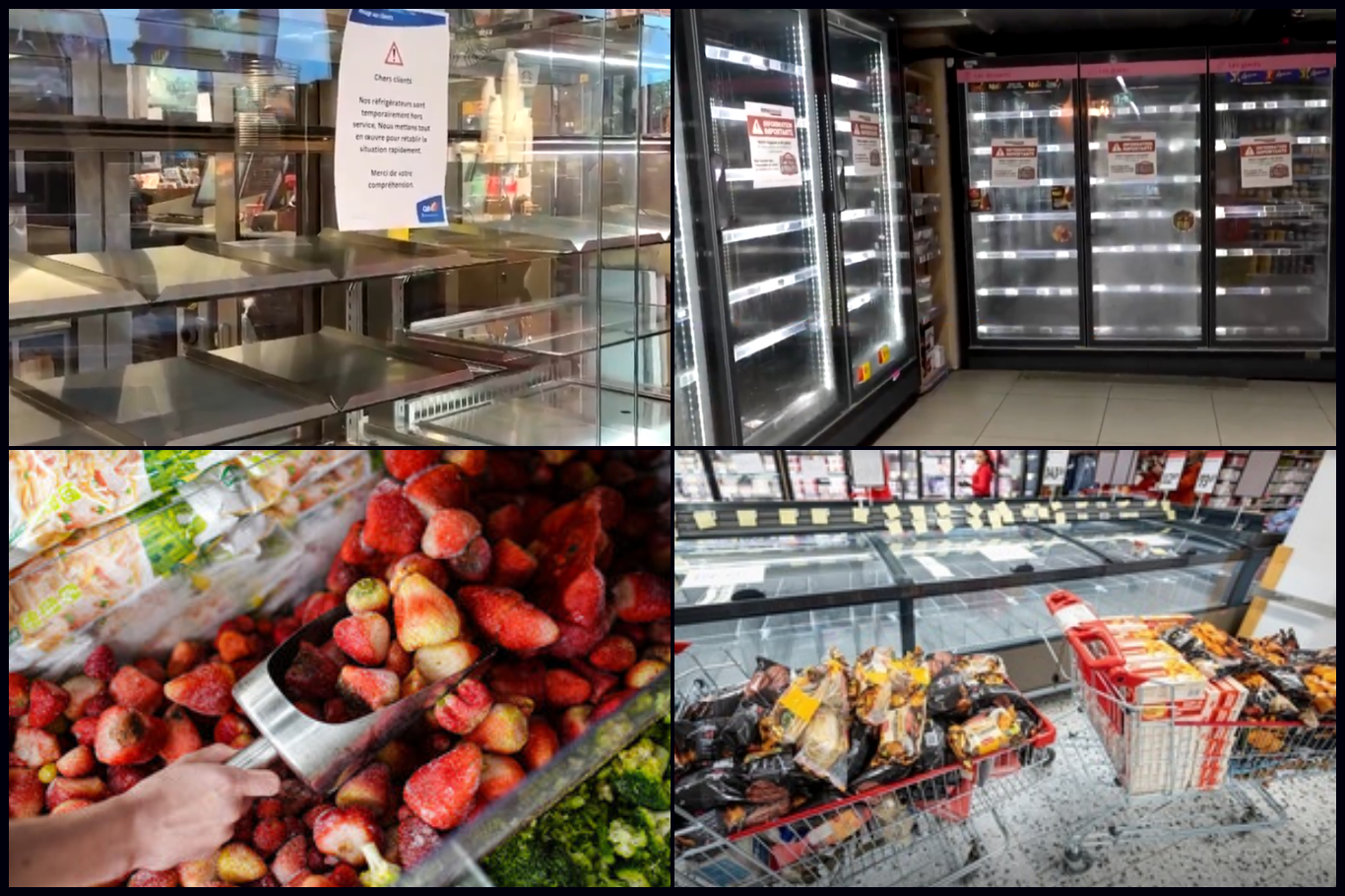
A wave of suspected cyberattacks targeting supermarket refrigeration systems has spread across Europe, disrupting food storage facilities, forcing retailers to discard large quantities of food and raising concerns about the security of the continent's food supply chains.
The attacks, reported in recent days, have affected supermarkets and food retailers in Belgium, Sweden, Ireland, Luxembourg, Estonia, Finland, the Netherlands, Italy and Portugal. Hackers reportedly gained remote access to computer systems controlling refrigerators and freezers, manipulating temperature settings and, in some cases, raising them to as high as 50 degrees Celsius.
The incidents have forced several retailers to remove chilled and frozen products from sale or dispose of stock that may have become unsafe for consumption.
In Belgium, dozens of stores operated by major supermarket chains, including Delhaize, Carrefour and Intermarché, reported problems. Around 40 Delhaize outlets and 15 Carrefour stores were among those affected, while other businesses, including an IKEA outlet, also reported refrigeration disruptions.
In Sweden, supermarket chains ICA and Coop reported similar incidents. Some refrigeration units were reportedly set to 50 degrees Celsius, leaving large quantities of food unusable.
Ireland's Musgrave Group confirmed that refrigeration systems in 13 SuperValu stores had been affected, prompting the removal of chilled and frozen products as a precaution. Similar disruptions were reported at supermarkets in Estonia, Finland and Luxembourg, as well as smaller food businesses in the Netherlands.
Belgian authorities have launched an investigation into the incidents, while cybersecurity agencies in several countries are working to establish how the attackers gained access to the refrigeration systems.
The European Union has also expressed concern, with EU Agriculture Commissioner Christophe Hansen describing the repeated attacks as a deliberate attempt to disrupt food supply chains and undermine consumer confidence.
The latest incidents follow a similar cyberattack in France on October 12, when refrigeration systems at hundreds of supermarkets were reportedly compromised, causing substantial food losses and disrupting store operations.
Cybersecurity specialists have pointed to vulnerabilities in internet-connected refrigeration equipment, including outdated software, exposed remote-access systems and weak or default passwords. Danish manufacturer Danfoss, whose technology has been used in some affected systems, has urged customers to install software updates and strengthen security measures.
The consequences have also extended beyond supermarkets. Britain's National Cyber Security Centre said it was assisting food-sector businesses affected by related cyber incidents. Some independent food suppliers and storage facilities were targeted, although the agency said the overall impact in the UK remained limited and no major food losses had been reported.
No group has claimed responsibility for the attacks, and investigators have not established whether all the incidents were part of a coordinated campaign. Authorities are continuing to examine the possibility of deliberate sabotage, given the repeated targeting of essential refrigeration infrastructure.
The incidents have highlighted the growing cybersecurity risks facing Europe's food industry as supermarkets increasingly rely on remotely managed systems to control essential operations. (ILKHA)
LEGAL WARNING: All rights of the published news, photos and videos are reserved by İlke Haber Ajansı Basın Yayın San. Trade A.Ş. Under no circumstances can all or part of the news, photos and videos be used without a written contract or subscription.
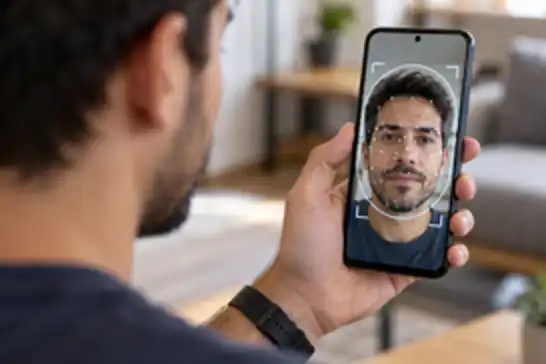
Brazil’s National Telecommunications Agency (Anatel) has approved regulations requiring mobile phone users to undergo facial recognition with a live verification check to activate or maintain their cellular lines, as authorities seek to combat digital fraud and identity theft.

Cryptocurrency exchange Binance said Thursday that digital assets worth $6.3 billion have been affected by a major security incident that could rank among the largest cryptocurrency hacks in history.
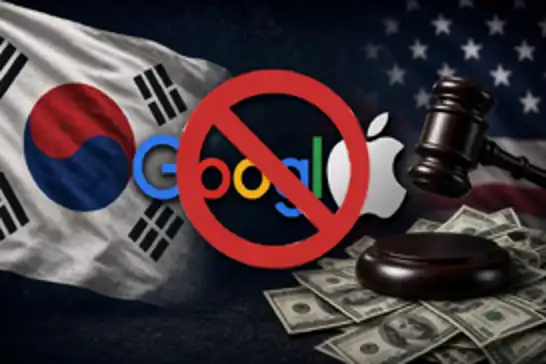
South Korea’s media regulator has fined Google and Apple a combined 63.7 billion won ($48.35 million) for restricting app developers to their respective in-app payment systems, ordering both technology giants to take corrective measures.