Kurdish scholar: Gaza and Al-Aqsa are at the heart of the Kurdish people
 13 oC
13 oC 
Güneşli

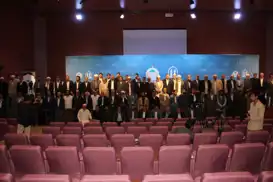
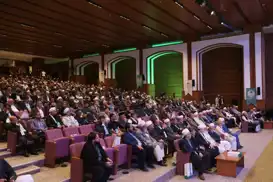
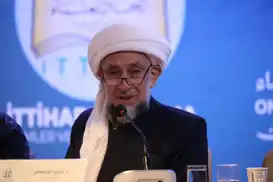
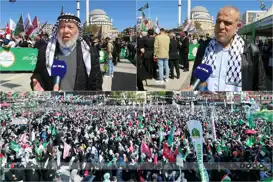
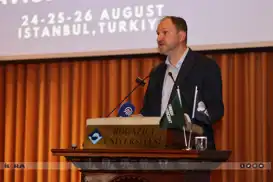
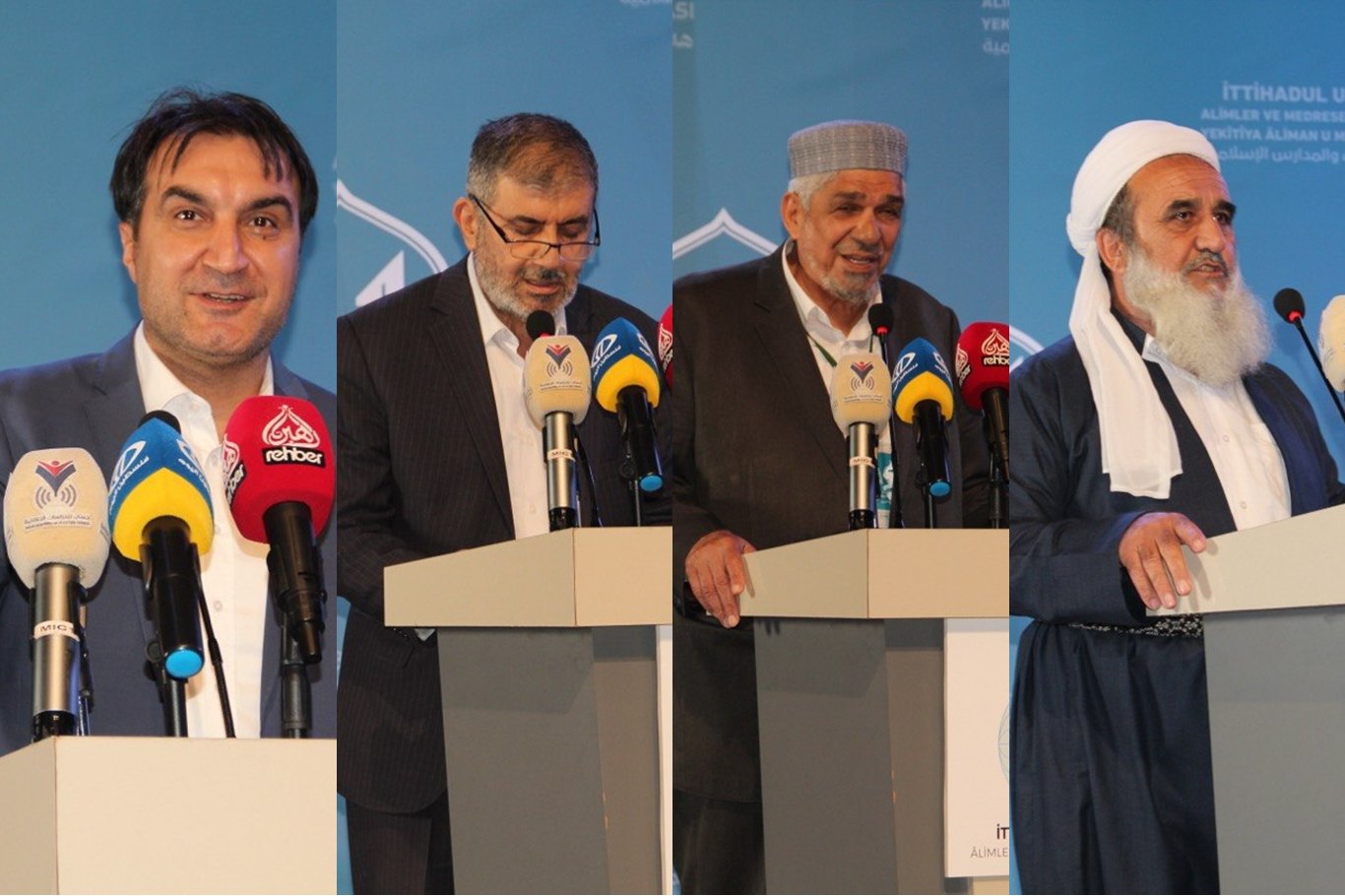
Scholars and Islamic academics from Türkiye, Palestine, Syria, Afghanistan, Egypt, Tunisia, Pakistan and the Kurdistan Region of Iraq gathered in Diyarbakır for the third and final session of the 11th Scholars Gathering organized by the Scholars and Madrasas Union (İTTİHADUL ULEMA), emphasizing the importance of Islamic outreach, unity among Muslims and solidarity with the oppressed Palestinian people.
Held at the Salahaddin Ayyubi Mosque Conference Hall in the Yenişehir district, the two-day gathering was organized under the theme “Methodology in Da‘wah (Islamic Outreach) and New Horizons” The event aimed to assess the current state of da‘wah efforts across the Islamic world, examine the challenges facing scholars and religious educators, and explore new approaches to conveying Islamic teachings.
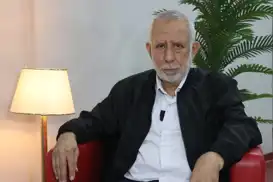
The gathering brought together scholars, academics and da‘wah workers from different countries and communities, including representatives of Hamas, reflecting the event’s emphasis on strengthening ties among Islamic scholars and promoting cooperation across the Muslim world.
The second day began with a Quranic recitation by Qari Sufyan Abdulkadir Al-Kurdi from Iraqi Kurdistan, followed by speeches highlighting the spiritual, educational and social responsibilities of scholars.
Kurdish scholars urged to strengthen their role in the Muslim world
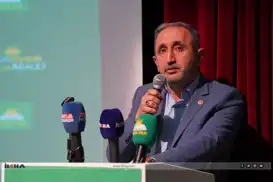
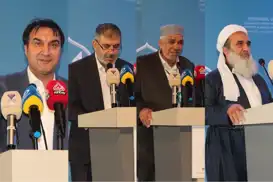
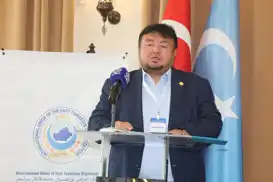
Dr. Mehdi Dawud, who delivered the first welcoming address, described the gathering as an important opportunity to strengthen bonds among scholars, foster spiritual solidarity and renew the Kurdish community’s contribution to the wider Islamic ummah.
“Frankly, such gatherings are very important in terms of closeness and the purification of hearts,” Dawud said, adding that the meetings offered Kurds an opportunity to reassert their role within the Muslim community and the city of Diyarbakır.
“When I entered this hall, I prayed to myself and said: ‘O Lord, God willing, grant us the chance to hold the next gathering in this same way in Qamishli,’” he said.
His remarks underscored the importance of bringing together scholars across borders to strengthen religious bonds and encourage cooperation in serving Muslim communities.
‘A struggle between Islamic invitation and secularism’
Dr. Mahmoud Al-Samiray of Pakistan welcomed Türkiye’s role as a host for Islamic scholars from neighboring regions and around the world, expressing hope that such gatherings would continue to strengthen religious scholarship and Islamic outreach.
He praised İTTİHADUL ULEMA for its work through religious madrasas and called on Allah to grant its scholars greater success in inviting people to Islam and spreading goodness in Türkiye and beyond.
“In Turkey, a struggle is underway between Islam and secularism, between Islamic invitation and calls toward the heritage of jahiliyyah,” Al-Samiray said, referring to what he described as a contest between Islamic values and secular influences.
He stressed that da‘wah should encourage people to strengthen their relationship with Allah, attend prayers and fill mosques with worshippers.
“The invitation to Almighty Allah must become widespread, people must turn to prayer and mosques, and mosques must be filled with believers,” he said.
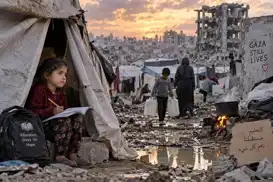
Al-Samiray also pointed to reports of crowded mosques in Gaza during the morning prayer, describing the devotion of Palestinians as a source of inspiration for Muslims worldwide.
“People of faith and pure hearts are those who restore honor and glory to the ummah. Help comes only from Allah,” he said.
Prophet Muhammad’s character presented as a guide for humanity
Karim Muhammad from Iraqi Kurdistan emphasized the central role of scholars in preserving Islamic knowledge, educating society and guiding people through the teachings and example of Prophet Muhammad (peace and blessings be upon him).
“Our Prophet Muhammad (peace and blessings be upon him) is a light guiding people,” he said. “The character of our Prophet is an example for all of humanity.”
Muhammad called on Muslims to follow the Prophet’s Sunnah, adopt his moral qualities and remain committed to the path he showed. He also highlighted the lives and sacrifices of the Prophet’s companions, including Abu Bakr, Umar and Uthman, as examples of devotion to Islam.
Referring to prominent scholars such as Imam al-Shafi‘i and Imam al-Ghazali, he stressed the enduring importance of Islamic scholarship and the transmission of religious knowledge across generations.
He noted that earlier generations of scholars often traveled long distances on foot and worked under difficult conditions to reach communities, teach religious sciences and spread Islamic knowledge, despite lacking modern communications and transportation.
“The responsibility of scholars is great. They must guide people, teach religious sciences, and invite society to the right path,” Muhammad said.
He added that Kurdish scholars, like other Muslim scholars, have a responsibility that extends beyond their own communities to the entire Islamic ummah.
“Spreading the teachings of Islam, educating people, and guiding society are among their important duties,” he said.
‘Gaza and Al-Aqsa are at the heart of the Kurds’
Dr. Omar Abdulaziz of Iraqi Kurdistan highlighted the deep significance of Palestine and Al-Aqsa Mosque for Kurds, invoking the legacy of Salahaddin Ayyubi, the Muslim leader remembered for recapturing Jerusalem in 1187.
For Kurds, he said, Gaza is not merely a geographical location but a matter of honor, dignity and conscience. He described Al-Aqsa Mosque as a sacred site with a special place in the hearts of the Kurdish people.
“Gaza and Al-Aqsa Mosque are right at the heart of the Kurds, the descendants of Salahaddin Ayyubi,” Abdulaziz said.
He also stressed the right of all peoples to freedom and their legitimate rights, acknowledging the hardships and injustices experienced by Kurds, including the denial of their identity.
However, he said, the suffering of one people must never become a reason to overlook the suffering of another, emphasizing the need for solidarity with Palestinians facing Israeli oppression and genocide.
“As a Kurd I say this: We cannot ignore the hardships experienced by the Palestinian people. Their resistance is our resistance,” he said.
Abdulaziz argued that the historical experiences of Kurds, who have faced oppression and violence, should deepen their understanding of the suffering endured by Palestinians.
His remarks placed Palestine and the defense of Al-Aqsa within a broader call for solidarity among oppressed peoples, stressing that shared experiences of injustice should bring communities closer together rather than divide them.
Renewing the mission of Islamic scholarship
The 11th Scholars Gathering brought religious scholars and da‘wah workers together to discuss how Islamic teachings can be conveyed effectively in contemporary society while preserving the principles of faith, moral responsibility and unity.
Speakers repeatedly emphasized that scholars must do more than preserve religious knowledge: they must embody the Prophet’s example, guide their communities, strengthen the role of madrasas and mosques, and serve the wider Muslim ummah.
The gathering also highlighted the importance of maintaining solidarity with Palestine, with speakers linking the struggle against oppression to the moral responsibilities of Muslims and the shared legacy of Islamic civilization.
Through its annual gathering, İTTİHADUL ULEMA seeks to strengthen cooperation among scholars and develop approaches to da‘wah capable of responding to contemporary challenges while remaining rooted in Islamic teachings and values. (ILKHA)
LEGAL WARNING: All rights of the published news, photos and videos are reserved by İlke Haber Ajansı Basın Yayın San. Trade A.Ş. Under no circumstances can all or part of the news, photos and videos be used without a written contract or subscription.
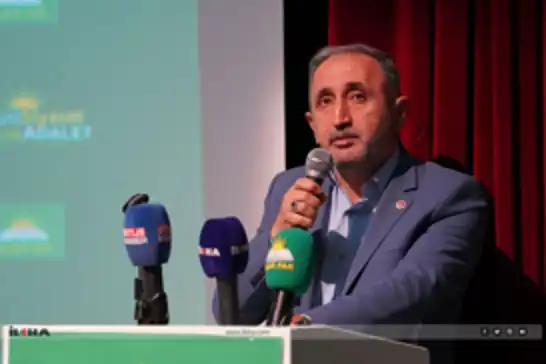
HÜDA PAR Deputy Chairman and Gaziantep MP Şahzade Demir has called for economic reforms, a constitutional resolution to the Kurdish issue and continued support for Palestinians in Gaza.
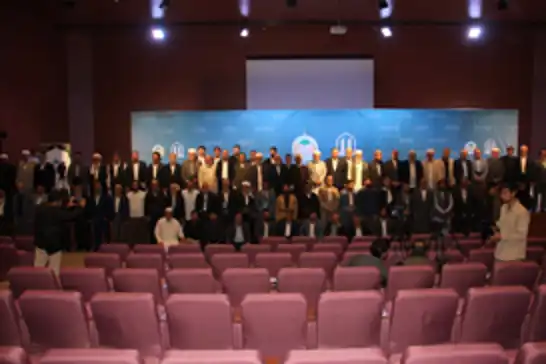
A gathering of Islamic scholars in Diyarbakır has called for greater unity among Muslims, stronger religious guidance for young people and a global campaign for the liberation of Al-Quds (Jerusalem) and other oppressed lands.
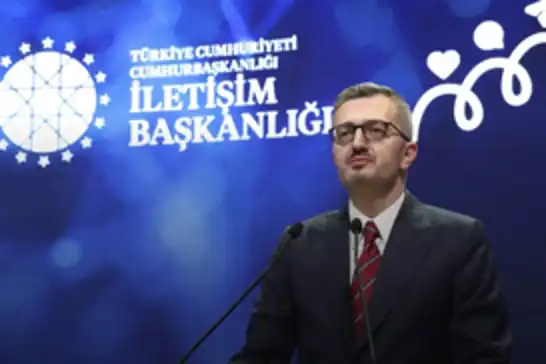
Türkiye’s Communications Director Burhanettin Duran condemned remarks by Israeli Defence Minister Israel Katz targeting President Recep Tayyip Erdoğan and Türkiye, describing them as a sign of political desperation ahead of Israel’s upcoming elections.
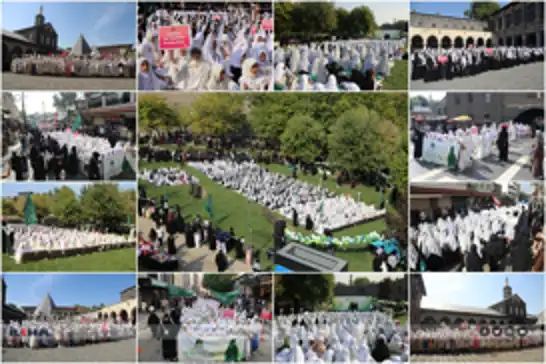
Hundreds of girls and children who have begun wearing the hijab, accompanied by their families, attended a program organized by the Prophet Lovers Foundation (Peygamber Sevdalıları Vakfı) in Diyarbakır to mark their commitment to Islamic dress.