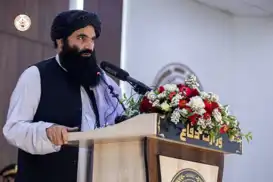
HÜDA PAR Chairman calls on Muslim world to unite for Palestine
 13 oC
13 oC 
Güneşli

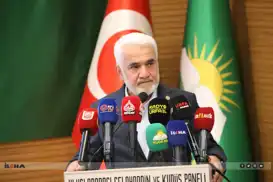
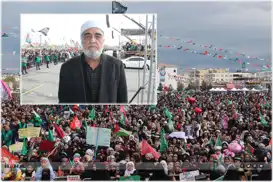
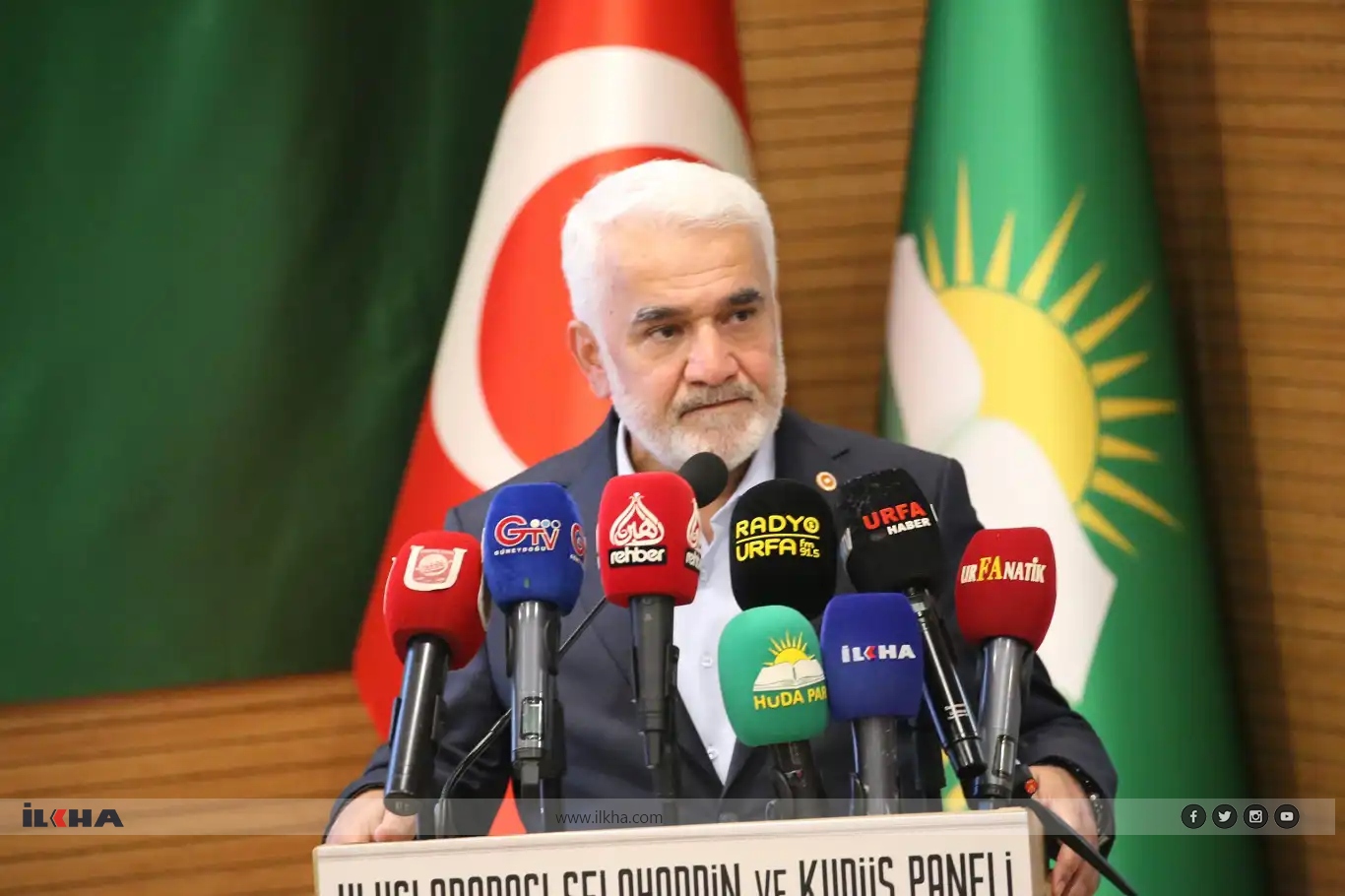
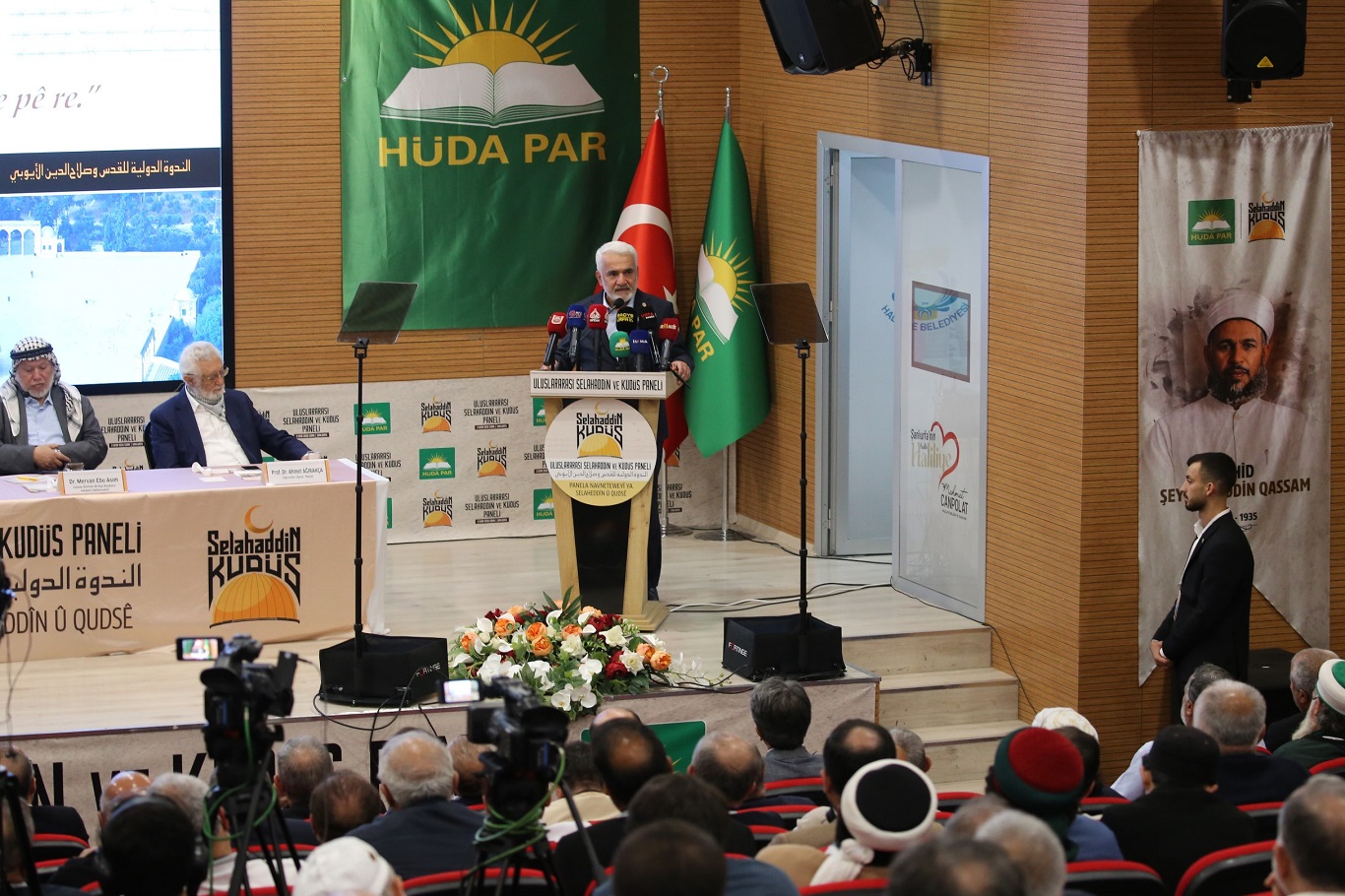
HÜDA PAR (Free Cause Party) Chairman Zekeriya Yapıcıoğlu has urged the Muslim world to overcome its divisions and unite in support of Palestine, saying Saladin Ayyubi’s liberation of Jerusalem offers vital lessons for Muslims today.
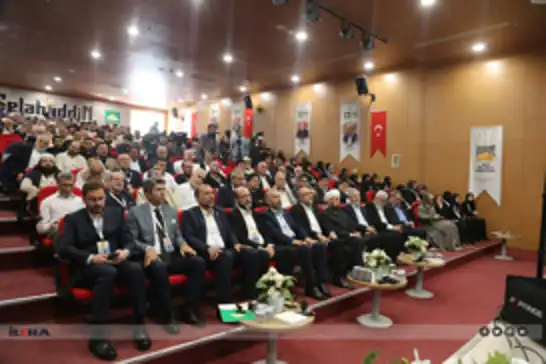
Speaking at the International Saladin and Jerusalem Panel in Şanlıurfa, southeastern Türkiye, on Thursday, Yapıcıoğlu highlighted the historical significance of Jerusalem’s liberation by Saladin Ayyubi on October 2, 1187, and urged Muslims to draw lessons from the renowned Muslim leader’s commitment to justice, humility and unity.
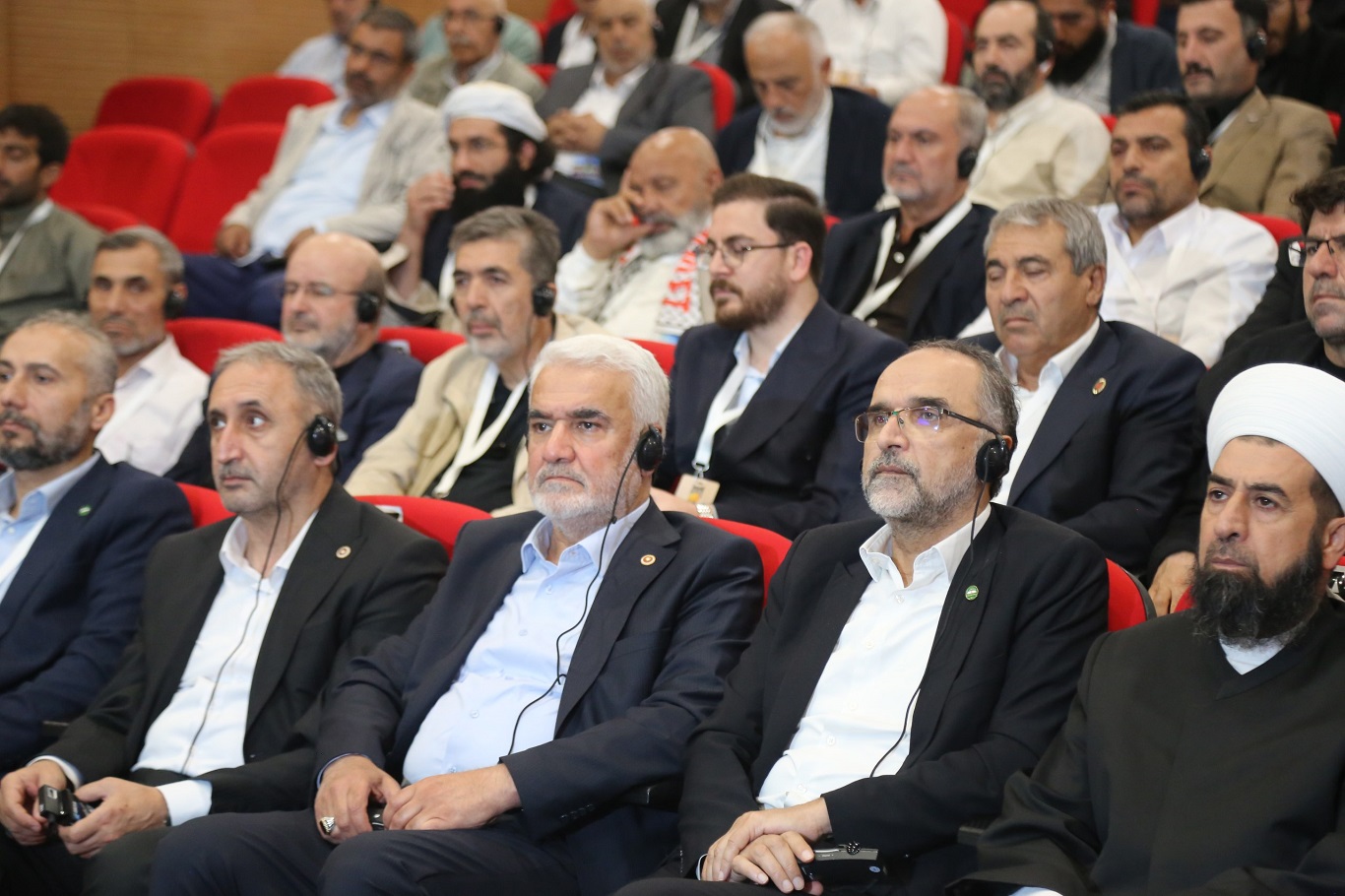
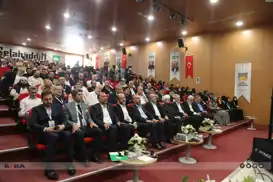
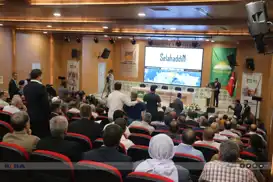
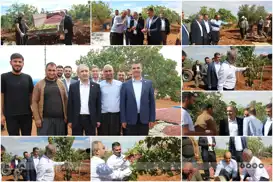
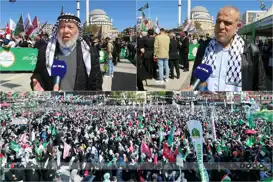
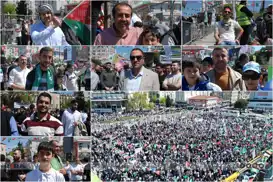
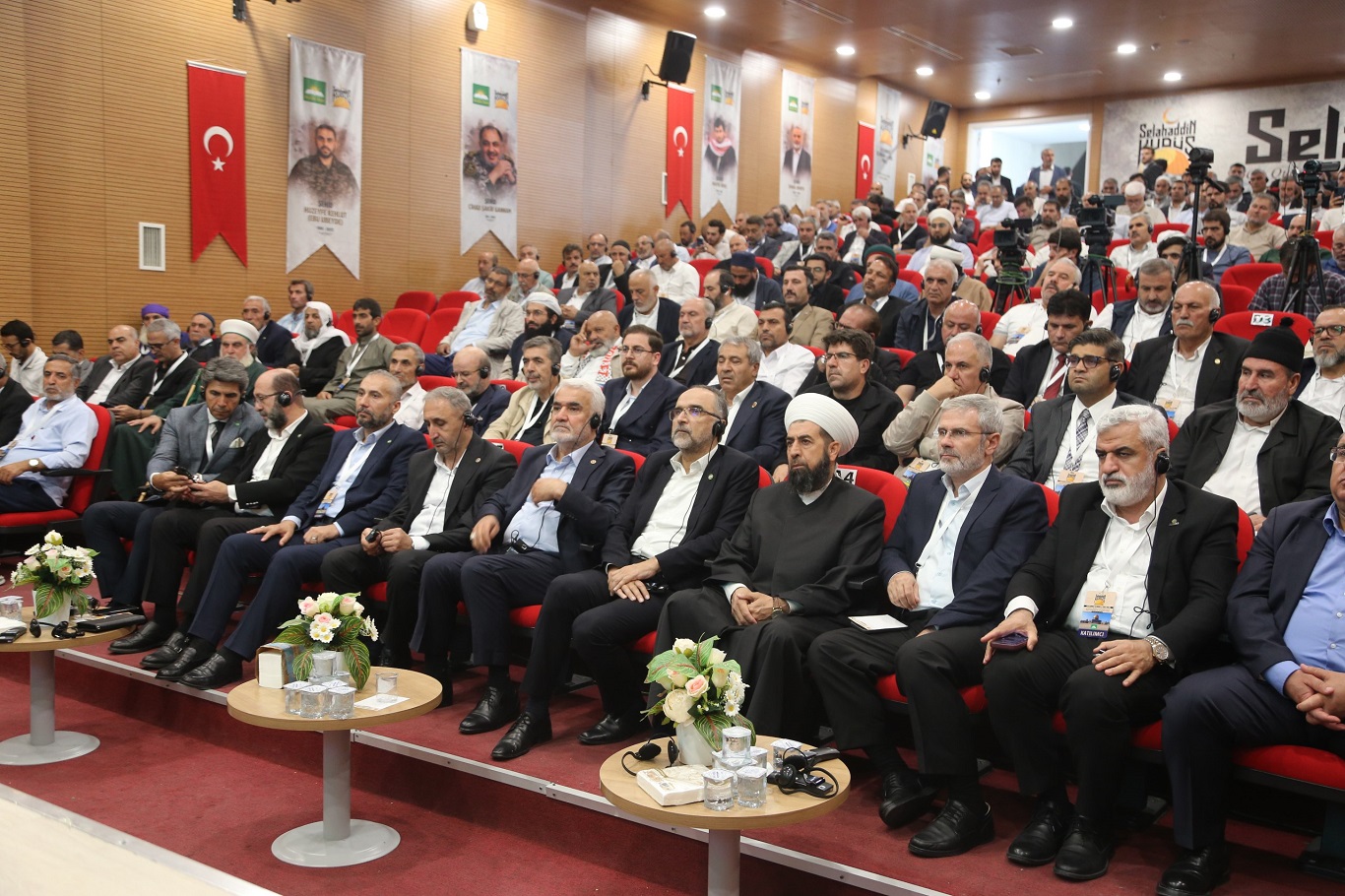
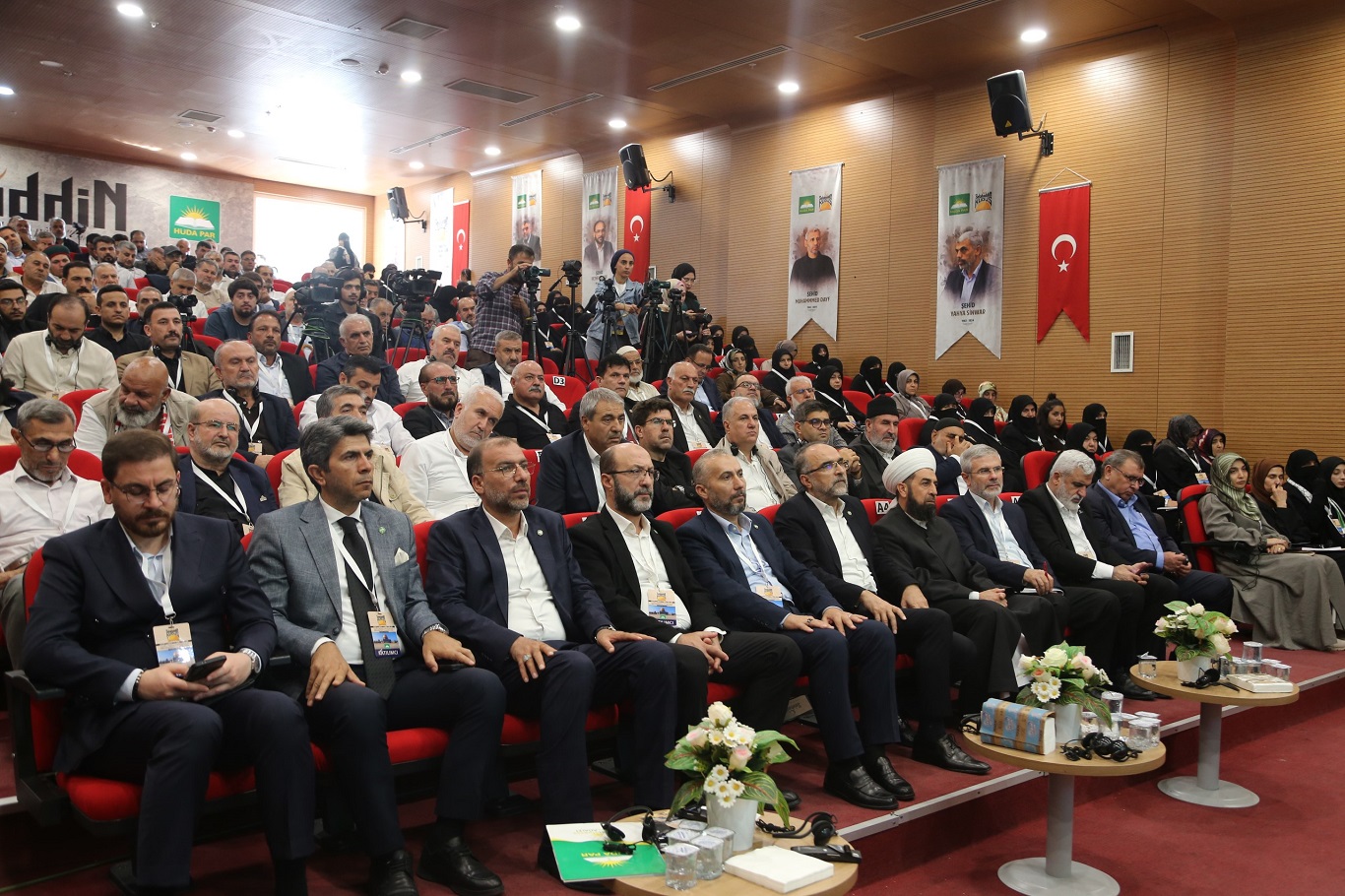
The event, held under the theme “Saladin’s Jerusalem” and broadcast live by Rehber TV, brought together scholars, academics, politicians and guests from various countries.
Jerusalem remained under Crusader rule for 88 years before Saladin’s forces liberated the city on October 2, 1187, restoring Muslim control of the holy city and Masjid al-Aqsa, Islam’s first qibla.
“This liberation was not merely a change in the control of a city. It represented the reunification of a fragmented Ummah, the recovery of its lost self-confidence and the emergence of a will capable of intervening in the course of history,” Yapıcıoğlu said.
He stressed that Saladin’s legacy went far beyond military victory, describing him as a model of leadership whose commitment to justice and unity remains relevant amid the ongoing occupation of Jerusalem and the suffering of the Palestinian people.
'We cannot lose hope while we have Saladin as an example’
Recalling a message he had delivered at a similar event five years ago, Yapıcıoğlu said, “We cannot lose hope while we have Salahuddin as an example.”
He said the world was experiencing a deepening crisis of justice, with power increasingly taking precedence over rights and human dignity coming under attack.
In such circumstances, he argued, Saladin’s life offered a powerful example of leadership grounded in justice, humility and moral responsibility.
“He was not merely a conqueror who expanded borders or a general who commanded armies. Saladin Ayyubi was one of the clearest examples of remaining human while holding power, remaining humble at the height of authority, and never deviating even an inch from justice at his strongest moment,” he said.
Yapıcıoğlu noted that Saladin had devoted much of his life to overcoming internal disputes and uniting fragmented political forces before confronting the Crusader presence in the region.
The Muslim leader understood that military strength alone could not bring lasting victory without unity of purpose and mutual trust, he said.
“Saladin brought his region together under a single roof not through the force of the sword, but through justice, persuasion and sincerity. He transformed fragmentation into brotherhood,” Yapıcıoğlu said.
He urged Muslims to reflect on whether they were building trust and solidarity within their communities and institutions or wasting their energy on internal rivalries and narrow interests.
‘True liberation is winning people’s hearts’
Yapıcıoğlu also highlighted Saladin’s commitment to justice and compassion, saying his legacy demonstrated that true liberation involved more than winning battles or capturing cities.
“He responded to the barbarism of his enemy with the justice of Islam. When he gained power, he did not become tyrannical; he did not exceed the limits or violate moderation,” he said.
“True liberation is not tearing down the walls of cities, but winning people's hearts,” he added.
Yapıcıoğlu warned that power detached from justice and moral principles could become a source of oppression. Saladin, by contrast, used his authority to protect the weak and uphold justice, he said.
Drawing parallels with the present day, he criticized the failure to protect innocent people and uphold international law, arguing that the world urgently needed leaders who placed justice above power and personal interests.
He also pointed to Saladin’s humility and responsible use of public wealth. Despite ruling extensive territories, including Egypt and Syria, the Muslim leader did not accumulate a personal fortune, Yapıcıoğlu said.
Instead, Salahuddin directed resources toward religious institutions, schools, the poor and the administration of justice rather than treating public funds as his own, he added.
According to Yapıcıoğlu, Saladin’s enduring place in history rests not only on the lands he liberated but also on his character and the principles that guided his leadership.
‘The Muslim world must end its fragmentation’
Turning to Palestine and the continuing occupation of Jerusalem and Masjid al-Aqsa, Yapıcıoğlu said divisions among Muslim countries had weakened their collective response to the plight of the Palestinian people.
“The most important reason why the Zionist regime can act with such impunity is that the Islamic world has failed to demonstrate a common will and a common response,” he said.
He also criticized some Muslim-majority countries for maintaining cooperation with the United States despite Washington’s support for Israel, arguing that such policies ran counter to the solidarity needed in the face of the devastation in Gaza.
Yapıcıoğlu questioned the purpose of commemorating Salahuddin’s life and victories if Muslims failed to learn from the divisions that marked his era.
He said the Muslim world faced a choice: continue allowing ethnic, sectarian and geographical differences to deepen its divisions, or put the shared interests of the Ummah first and unite against common challenges.
Quoting a saying attributed to Saladin, he emphasized the need to avoid internal conflict while confronting external threats.
“Without listening to the forces of discord that seek to use our disagreements and differences to set the elements of the Ummah against one another, we will take action to end our fragmentation. In our view, there is no other path than unity,” he said.
Yapıcıoğlu stressed that solidarity must go beyond speeches and commemorative events, calling for a common Muslim response to the challenges facing Jerusalem and Palestine.
‘We salute the struggle of the Palestinian Mujahideen’
Concluding his address, Yapıcıoğlu paid tribute to Palestinian fighters who, he said, had continued to defend their land and the sanctity of Jerusalem and Masjid al-Aqsa despite decades of occupation and immense sacrifice.
He expressed solidarity with the Palestinian resistance and commemorated its leaders Ismail Haniyeh and Yahya Sinwar as martyrs.
“I once again remember with mercy all our martyrs, foremost among them Ismail Haniyeh and Yahya Sinwar,” he said.
Yapıcıoğlu added that the Palestinian struggle demonstrated the sacrifices required to uphold a cause and pass it on to future generations.
His address returned to the central message of the gathering: Saladin Ayyubi’s liberation of Jerusalem should be remembered not merely as a historic victory, but as a lasting lesson in unity, justice and solidarity with Palestine.
As Jerusalem and Masjid al-Aqsa remain central to the Palestinian struggle, Yapıcıoğlu urged Muslims to draw strength from their history, overcome their divisions and work together in support of the Palestinian people. (ILKHA)
LEGAL WARNING: All rights of the published news, photos and videos are reserved by İlke Haber Ajansı Basın Yayın San. Trade A.Ş. Under no circumstances can all or part of the news, photos and videos be used without a written contract or subscription.
Tunisia’s Ambassador Dr. Rıza Bukadi highlighted unity, economic independence, legitimacy, institutional strength and diplomatic flexibility as key factors behind Salahaddin Ayyubi’s success, drawing lessons for the Muslim world at the “International Salahaddin and Jerusalem Panel” in Şanlıurfa, Türkiye.
Gaza Scholars Union chairman called on the Muslim world to unite against Israeli occupation, warning of efforts to alter Jerusalem’s demographic structure and undermine the Islamic identity of Masjid al-Aqsa
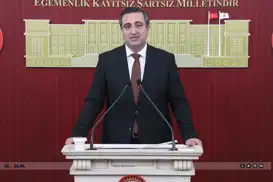
HÜDA PAR Deputy Chairman İshak Sağlam has called on Muslims to draw lessons from the liberation of Jerusalem by Saladin Ayyubi in 1187 and intensify efforts to end the occupation of Jerusalem and protect Masjid al-Aqsa.