Ebola crisis deepens in DR Congo as health workers lose contact with 300 patients
 13 oC
13 oC 
Güneşli

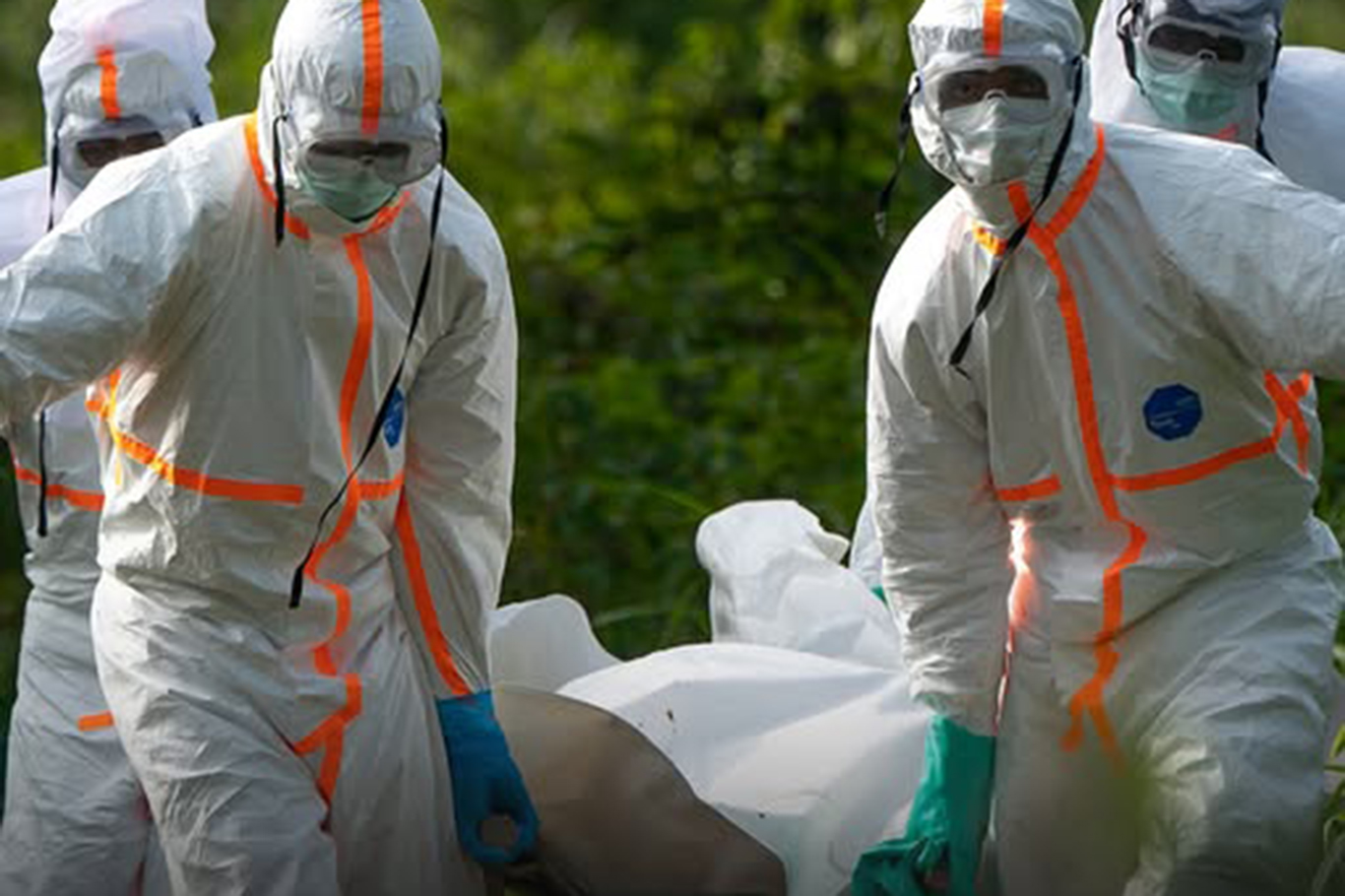
Health authorities in the Democratic Republic of the Congo (DRC) have lost contact with nearly 300 people who tested positive for Ebola, raising fears that the virus could spread further amid ongoing conflict, mass displacement, and severe shortages of resources.
According to the Africa Centres for Disease Control and Prevention (Africa CDC), the whereabouts of hundreds of infected individuals remain unknown as health teams face major obstacles in tracing patients and monitoring their contacts. The crisis is particularly acute in the eastern regions of the country, where insecurity and armed violence continue to disrupt public health operations.
Africa CDC Director-General Dr. Jean Kaseya warned that the disappearance of such a large number of confirmed Ebola cases poses a serious threat to containment efforts. Health workers have struggled to access communities affected by conflict, while large-scale population movements have made contact tracing increasingly difficult. More than one million displaced people are believed to be living in camps and informal settlements across affected areas, further complicating surveillance efforts.
The current outbreak, caused by the rare Bundibugyo strain of Ebola, was first confirmed in May and has rapidly become one of the largest outbreaks ever recorded for this strain. Unlike the more common Zaire strain, there is currently no approved vaccine specifically targeting Bundibugyo Ebola, creating additional challenges for health authorities and researchers.
Recent figures indicate that more than 1,300 infections and over 370 deaths have been recorded in the DRC, while neighboring Uganda has also reported cases linked to the outbreak. International health experts fear the virus could spread further across borders if containment measures are not strengthened. The World Health Organization has identified the risk of regional transmission as significant, particularly given frequent cross-border travel and ongoing humanitarian instability.
To bolster the response, Africa CDC has launched an urgent appeal for additional funding, estimating that as much as $1.4 billion is needed for outbreak control and humanitarian support. Officials say only a fraction of pledged funds has been delivered so far, leaving treatment centers overstretched and response teams under-resourced.
Meanwhile, clinical trials of experimental Ebola treatments are expected to begin in the eastern city of Bunia. The studies will evaluate potential therapies and preventive medicines that could help reduce infections and lower mortality rates. Africa CDC has requested an additional $18 million to support the trials and expand contact-tracing operations.
The United Nations has also warned of the broader economic consequences of an uncontrolled epidemic. A recent assessment suggested that the outbreak could cost African economies billions of dollars and threaten hundreds of thousands of jobs if the virus spreads beyond the currently affected countries.
Health officials continue to urge communities to report symptoms, cooperate with surveillance teams, and follow public health guidance. However, experts caution that without improved security, increased funding, and stronger community engagement, efforts to locate the missing patients and bring the outbreak under control may face significant setbacks in the weeks ahead. (ILKHA)
LEGAL WARNING: All rights of the published news, photos and videos are reserved by İlke Haber Ajansı Basın Yayın San. Trade A.Ş. Under no circumstances can all or part of the news, photos and videos be used without a written contract or subscription.
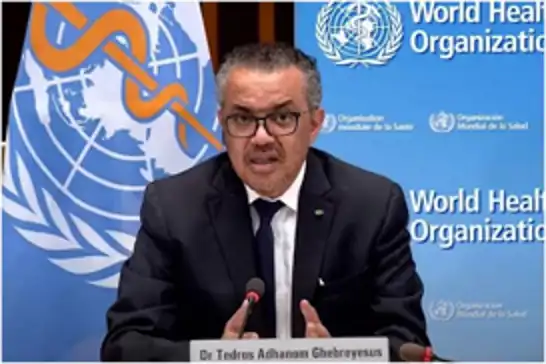
The World Health Organization (WHO) has announced that the recent Hantavirus outbreak is nearing its conclusion, with no new cases reported among monitored contacts in affected countries.
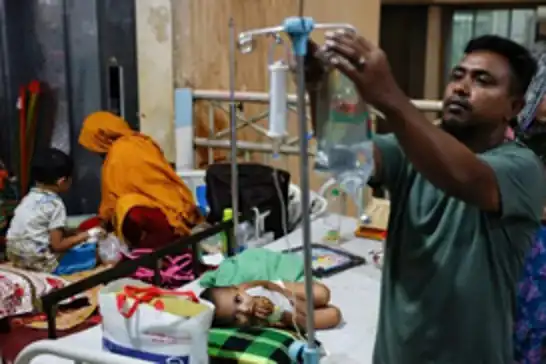
Bangladesh's ongoing measles outbreak continues to worsen, with health authorities reporting four additional deaths and hundreds of new infections over the past 24 hours, pushing the nationwide death toll to 712.

Sleep remains the single largest activity in the daily lives of people in Türkiye, according to the latest Time Use Survey released by the Turkish Statistical Institute (TÜİK) on Friday.