Yemen announces release of 600 prisoners in largest unilateral amnesty initiative
 13 oC

Güneşli

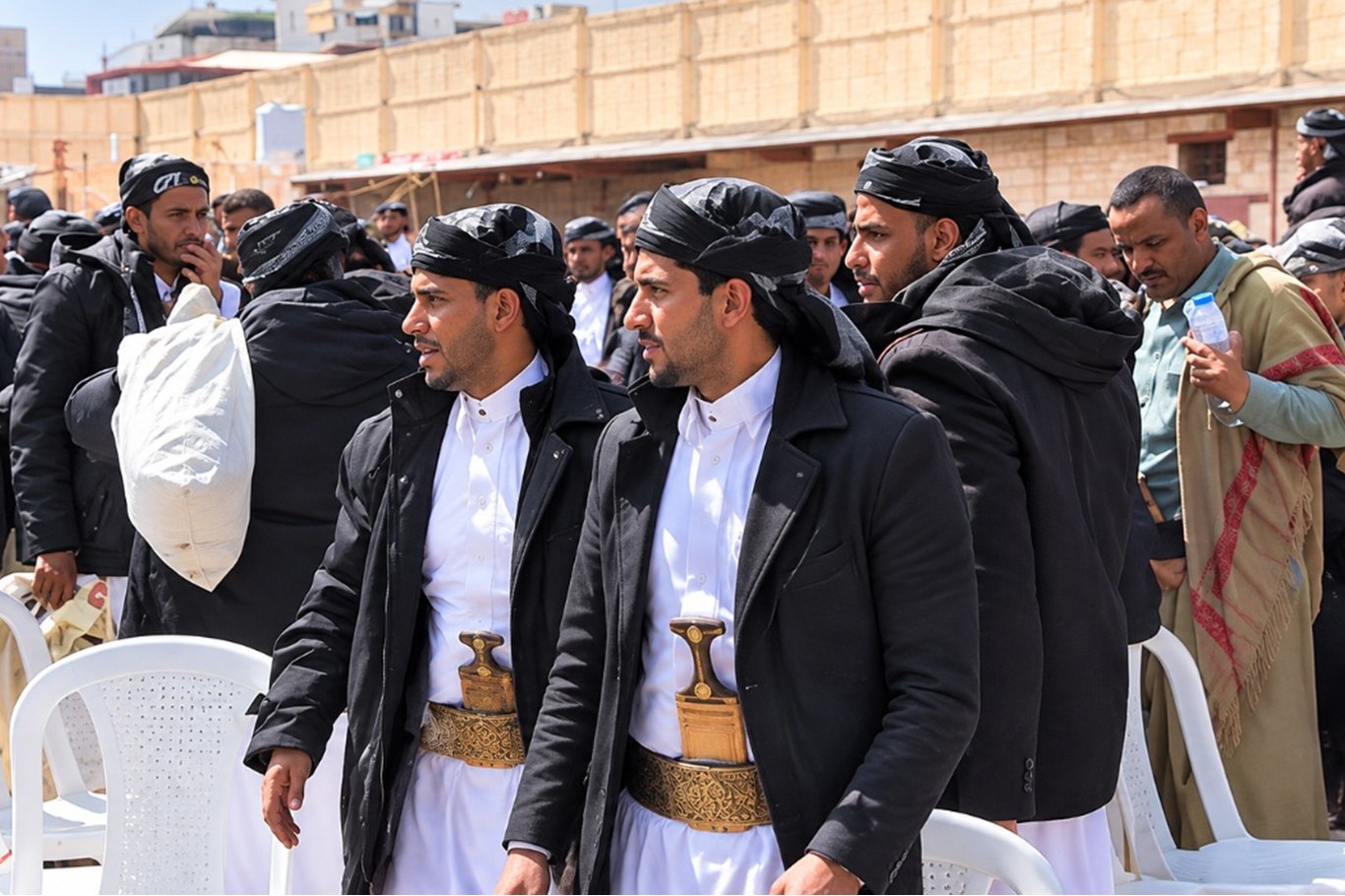
Abdul Qader Mortada, head of Yemen's National Committee for Prisoners' Affairs, has announced the release of 600 prisoners held by his side, describing the move as the largest unilateral prisoner release in the history of the conflict.
Speaking at a press conference in Sanaa on Sunday, Mortada said the release was carried out with the participation of the International Committee of the Red Cross (ICRC).
He noted that 2,612 prisoners had previously been released through unilateral initiatives, stressing that Sanaa approaches the prisoners' issue as a humanitarian matter rather than through revenge or political considerations.
Mortada said the initiatives were intended to alleviate the suffering of prisoners and their families and to seize every available opportunity to secure their release.
Mortada said his side had documented cases involving more than four prisoners who were subjected to torture and abuse in detention facilities run by the opposing side.
He accused the rival side of failing to undertake any unilateral humanitarian initiative or release prisoners throughout the conflict, contrasting its conduct with Sanaa's repeated prisoner-release initiatives.
He said the opposing side had instead turned the prisoners' issue into a tool of exploitation, further deepening the suffering of the Yemeni people.
Addressing those released, Mortada described the amnesty as an opportunity to reconsider their previous positions and return to their homeland.
Mortada reaffirmed Sanaa's readiness to implement the latest prisoner-exchange agreement and fulfil all obligations required of its side.
He stressed that the ongoing military escalation should not obstruct progress on the issue, which he described as a separate humanitarian file that must be addressed independently of political and military developments.
He attributed the agreement's stalled implementation primarily to the opposing side's failure to fulfil its commitments and the UN envoy's suspension of consultations on the prisoners' file.
Mortada also said that, according to information available to Sanaa, Saudi Arabia had instructed the opposing side and the United Nations to halt progress on the issue.
"We assure the families of our noble prisoners that we will strive by every means to free their sons, and we will spare no effort in doing so," he said.
He also referred to the large number of prisoners from the opposing side captured during the latest escalation and praised the ICRC for its role in facilitating the release.
The prisoner release comes amid renewed fighting between Yemeni forces and Saudi-backed military formations, as tensions continue to escalate across several parts of the country.
According to reports, Yemeni forces have made advances in several districts along the country's western coast, as well as in parts of Lahj and Taiz.
Yemeni forces have also continued attacks targeting Saudi airports and energy infrastructure, describing them as retaliation for Saudi military aggression and the prolonged blockade imposed on Yemen.
The conflict and blockade, which have devastated the country's economy and humanitarian infrastructure, have continued for more than a decade, leaving millions of Yemenis in need of humanitarian assistance. (ILKHA)
LEGAL WARNING: All rights of the published news, photos and videos are reserved by İlke Haber Ajansı Basın Yayın San. Trade A.Ş. Under no circumstances can all or part of the news, photos and videos be used without a written contract or subscription.

Nearly 2,200 migrants have reached Spain's Canary Islands by boat over two days, as a sharp increase in arrivals along the Atlantic migration route puts additional pressure on reception facilities and emergency services across the archipelago.
Iran has accused the International Atomic Energy Agency (IAEA) of abandoning its technical and impartial role in favour of a politically driven agenda aligned with Washington, warning that the agency's biased conduct and failure to condemn US-Israeli aggression against Iranian nuclear facilities have severely undermined its credibility.
Khalil Al-Hayya, head of Hamas's political bureau, has urged Arab and Islamic countries to take immediate and concrete action to confront the worsening humanitarian catastrophe in the Gaza Strip, as Israel's continued restrictions on humanitarian aid and the onset of winter further compound the suffering of displaced Palestinian families.