Nearly 2,200 migrants reach Spain's Canary Islands in two days
 13 oC

Güneşli

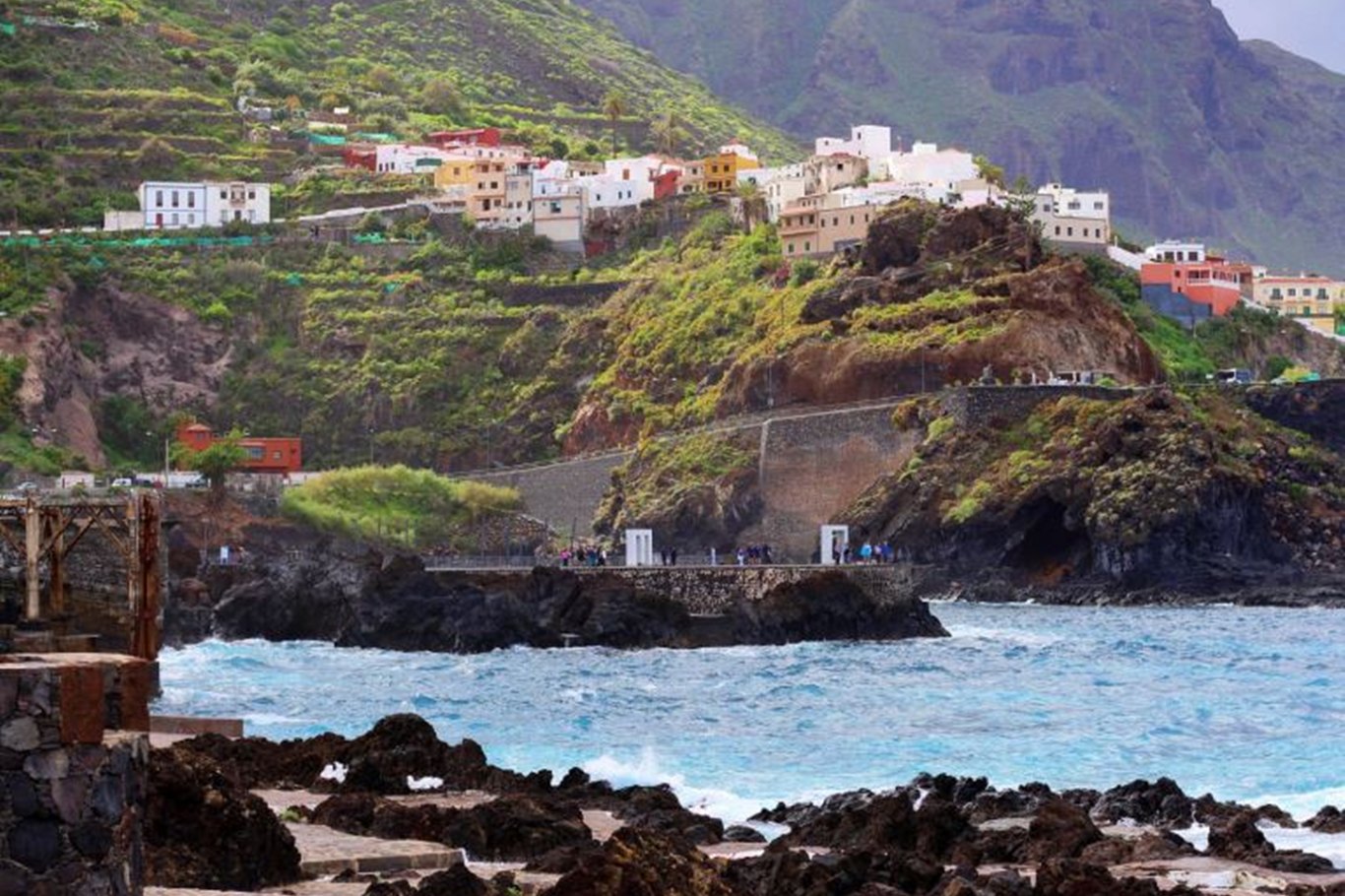
Nearly 2,200 migrants have reached Spain's Canary Islands by boat over two days, as a sharp increase in arrivals along the Atlantic migration route puts additional pressure on reception facilities and emergency services across the archipelago.
Spain's Maritime Rescue Service said on Sunday that it had assisted 1,324 people aboard 14 dinghies, most of whom reached El Hierro, one of the smallest islands in the archipelago, with a population of around 12,000.
However, updated figures reported by Spain's EFE news agency showed that 1,488 migrants arrived in the Canary Islands on Saturday alone, marking the highest single-day total since November 2020, when 1,461 people were rescued. Twelve boats reached El Hierro, while two others arrived in Gran Canaria and Tenerife.
Among those rescued was a group of 240 people, including 12 women and 36 children, who had spent several days crossing the Atlantic from West Africa. Most of the arrivals were from Senegal, Gambia and Guinea.
The latest arrivals come amid a renewed increase in migration from West African countries since October, with the Canary Islands remaining one of the main entry points into Europe for people undertaking the dangerous Atlantic crossing in overcrowded and often unseaworthy boats.
According to Spain's Interior Ministry, 13,327 migrants reached the Canary Islands by sea between January and October 2026, accounting for nearly half of the 28,155 people who arrived in Spain by sea during the same period.
Although arrivals in the archipelago were down 5.5% compared with the same period in 2025, the recent surge has intensified pressure on smaller islands, particularly El Hierro, whose limited reception capacity and emergency services have struggled to accommodate the growing number of arrivals.
Spain declares migration emergency, announces additional funding
In response to the growing influx, the Spanish government declared a migration emergency in the Canary Islands on November 10 and announced additional financial and logistical support for the archipelago.
Madrid pledged an additional €15.18 million to expand reception-centre capacity and finance the transfer of migrants between the islands and mainland Spain. Another €1 million was allocated to the Spanish Red Cross to strengthen medical care and emergency assistance.
The government also announced the deployment of an additional maritime rescue vessel and more personnel to accelerate the processing and relocation of unaccompanied migrant children.
Canary Islands President Fernando Clavijo has warned that the continuing arrivals are placing local resources under severe strain, particularly on smaller islands where reception facilities and public services have limited capacity.
Spanish Territorial Policy Minister Ángel Víctor Torres was expected to visit El Hierro on Sunday to assess the situation and discuss the challenges facing local authorities.
One of the world's deadliest migration routes
The Atlantic crossing from West Africa to the Canary Islands is considered one of the world's deadliest migration routes.
Although the archipelago lies approximately 105 kilometres from the nearest point on the African coast, many migrants undertake considerably longer journeys to avoid security patrols, with crossings sometimes lasting several days or even weeks.
Mauritania, Senegal and Gambia are among the main departure points for boats carrying migrants towards the Spanish islands.
The journey is particularly dangerous because of overcrowded vessels, inadequate safety equipment, strong Atlantic currents and unpredictable weather conditions. Migrants frequently face the risk of drowning, dehydration and exhaustion before reaching European territory.
Arrivals generally increase during autumn, when sea conditions along parts of the route become more favourable for crossings.
The latest influx has renewed concerns over the humanitarian situation along the Atlantic route and the capacity of Spanish authorities and local communities to respond to the growing number of people arriving by sea. (ILKHA)
LEGAL WARNING: All rights of the published news, photos and videos are reserved by İlke Haber Ajansı Basın Yayın San. Trade A.Ş. Under no circumstances can all or part of the news, photos and videos be used without a written contract or subscription.

Abdul Qader Mortada, head of Yemen's National Committee for Prisoners' Affairs, has announced the release of 600 prisoners held by his side, describing the move as the largest unilateral prisoner release in the history of the conflict.

Iran has accused the International Atomic Energy Agency (IAEA) of abandoning its technical and impartial role in favour of a politically driven agenda aligned with Washington, warning that the agency's biased conduct and failure to condemn US-Israeli aggression against Iranian nuclear facilities have severely undermined its credibility.

Khalil Al-Hayya, head of Hamas's political bureau, has urged Arab and Islamic countries to take immediate and concrete action to confront the worsening humanitarian catastrophe in the Gaza Strip, as Israel's continued restrictions on humanitarian aid and the onset of winter further compound the suffering of displaced Palestinian families.