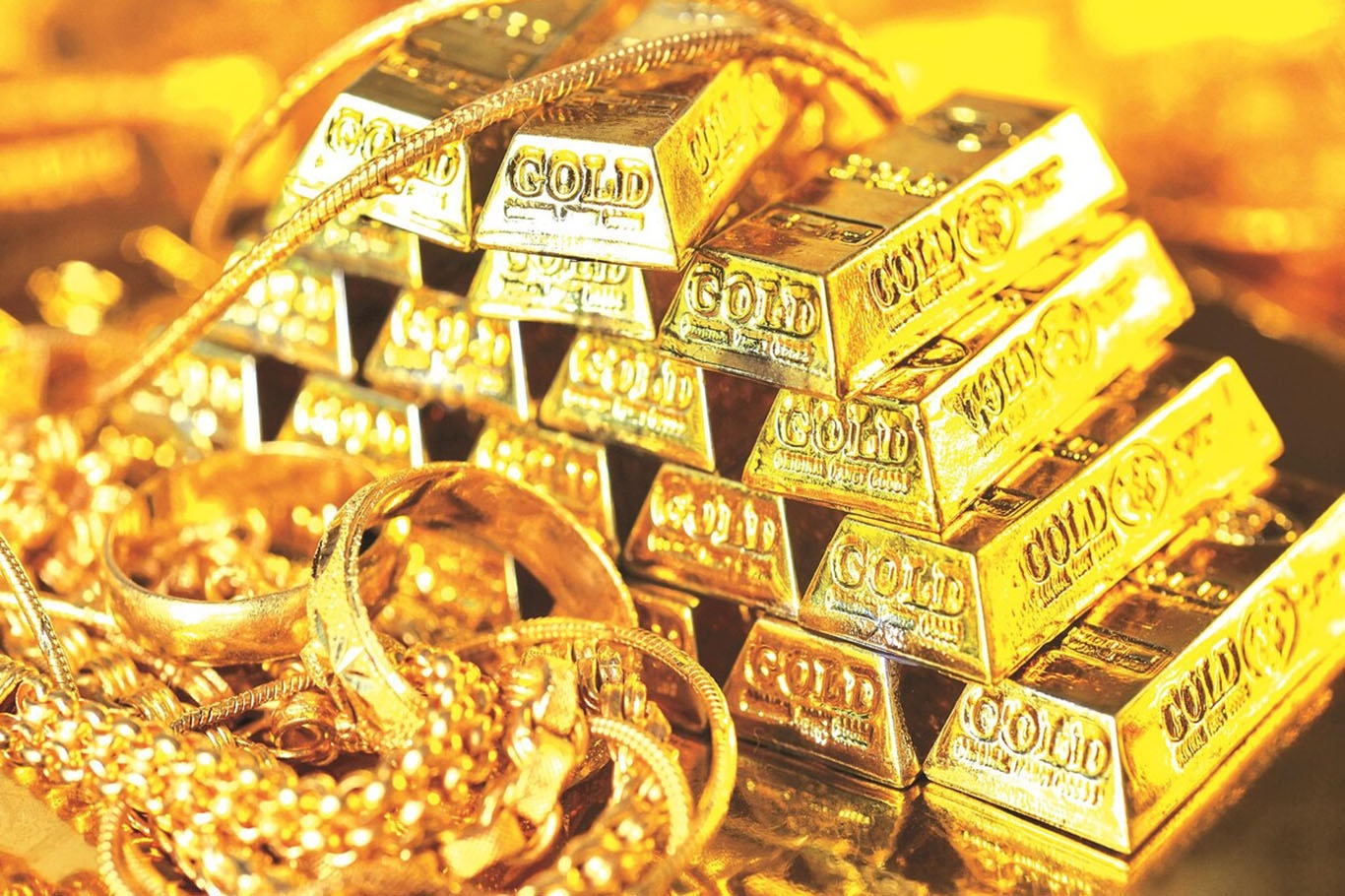
World Gold Council sounds alarm as illicit gold market exceeds $120 billion annually
 13 oC
13 oC 
Güneşli

The global illicit gold trade has grown into a vast underground economy worth more than $120 billion annually, according to the World Gold Council (WGC), highlighting mounting concerns over criminal networks, conflict financing, and weaknesses in international supply chains.
Speaking on the issue, WGC Chief Executive David Tait said the scale of gold smuggling has reached levels comparable to the annual economic output of some mid-sized nations, underscoring the urgent need for stronger oversight and transparency measures.
The challenge is largely concentrated in the artisanal and small-scale gold mining (ASGM) sector, which accounts for approximately 20 percent of global gold production and provides livelihoods for an estimated 15 to 20 million people worldwide.
Many small-scale mining operations are located in fragile and conflict-affected regions, including parts of Sudan and Mali. Gold extracted from these areas often passes through complex networks of traders and intermediaries before reaching major international trading centers.
Industry experts warn that by the time the precious metal arrives at refineries, its origins can be difficult to trace, allowing illicitly sourced gold to enter legitimate markets.
According to the WGC, the lack of transparency in parts of the global gold supply chain has enabled organized crime groups, armed factions, and terrorist financiers to profit from the trade.
The organization first highlighted the issue in a 2024 report titled “Silence Is Golden,” produced in partnership with former British deputy prime minister Dominic Raab. The report documented widespread exploitation and governance failures within segments of the ASGM sector and called for coordinated international action.
Growing concerns have prompted governments and industry stakeholders to launch new initiatives aimed at improving accountability and responsible sourcing.
A Global Coalition for Action on ASGM was established in late 2025, while Brazil launched its own Brazilian Forum for Responsible Gold to strengthen oversight and promote sustainable mining practices.
The WGC has also expanded efforts to digitize and trace gold ownership through projects such as Gold247 and its Gold as a Service platform, which seek to improve transparency throughout the supply chain.
The debate comes as tokenized gold products gain popularity among investors. Digital assets such as Paxos Gold and Tether Gold allow users to hold digital claims backed by physical gold stored in secure vaults.
Industry analysts say growing concerns over illicit sourcing could increase demand for traceable and verifiable gold products, particularly among institutional investors seeking to meet environmental, social, and governance (ESG) requirements.
Experts warn that stricter sourcing requirements could lead to the emergence of a two-tier market, distinguishing verified "clean" gold from supplies with uncertain origins.
While greater formalization may improve transparency and reduce criminal activity, it could also increase production costs for small-scale miners seeking to comply with new standards. Those higher costs may eventually be reflected in global gold prices.
Analysts further note that differing regulatory approaches among countries could create new opportunities for smugglers to shift operations across jurisdictions rather than eliminate illicit trade altogether.
As governments, industry groups, and financial institutions intensify efforts to clean up global supply chains, the future of the gold market is increasingly likely to depend on transparency, traceability, and proof of origin. (ILKHA)
LEGAL WARNING: All rights of the published news, photos and videos are reserved by İlke Haber Ajansı Basın Yayın San. Trade A.Ş. Under no circumstances can all or part of the news, photos and videos be used without a written contract or subscription.
Türkiye’s agricultural input costs continued to climb sharply in April 2026, with the Agricultural Input Price Index (Agricultural-IPI) rising 38.97% on an annual basis, according to data released on Friday by the Turkish Statistical Institute (TurkStat).
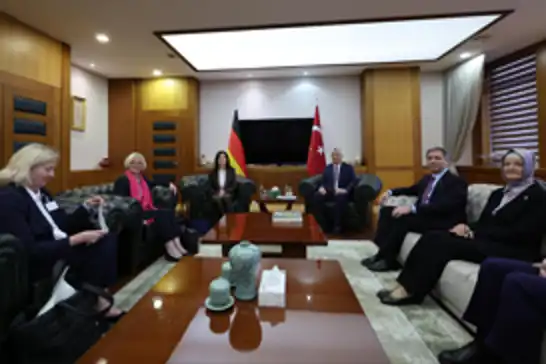
German Minister for Economic Affairs and Energy Katherina Reiche has arrived in Ankara for a two-day official visit aimed at deepening economic, trade, and energy cooperation between Germany and Türkiye, as both countries seek to expand strategic partnerships amid evolving regional and global challenges.
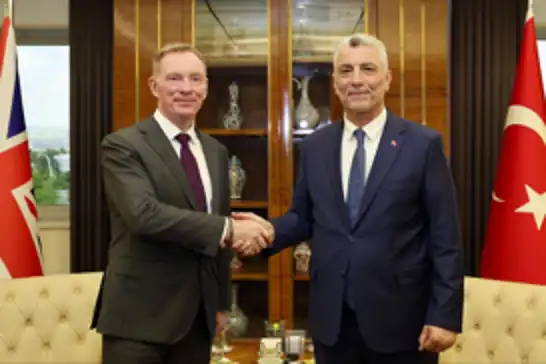
Türkiye and the United Kingdom have set a goal of increasing their bilateral trade volume to $40 billion, Turkish Trade Minister Ömer Bolat announced following talks with British Minister of State for Trade Chris Bryant in Ankara.
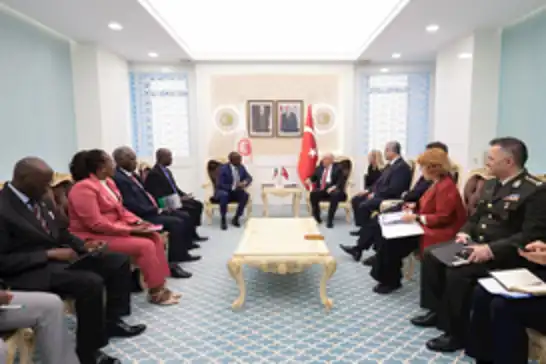
Türkiye and Burundi held the inaugural session of their Joint Economic Commission (KEK) in Ankara on June 16–17, 2026, marking a new step in efforts to expand bilateral economic and sectoral cooperation.