US signals readiness to resume nuclear tests while accusing China
 13 oC
13 oC 
Güneşli

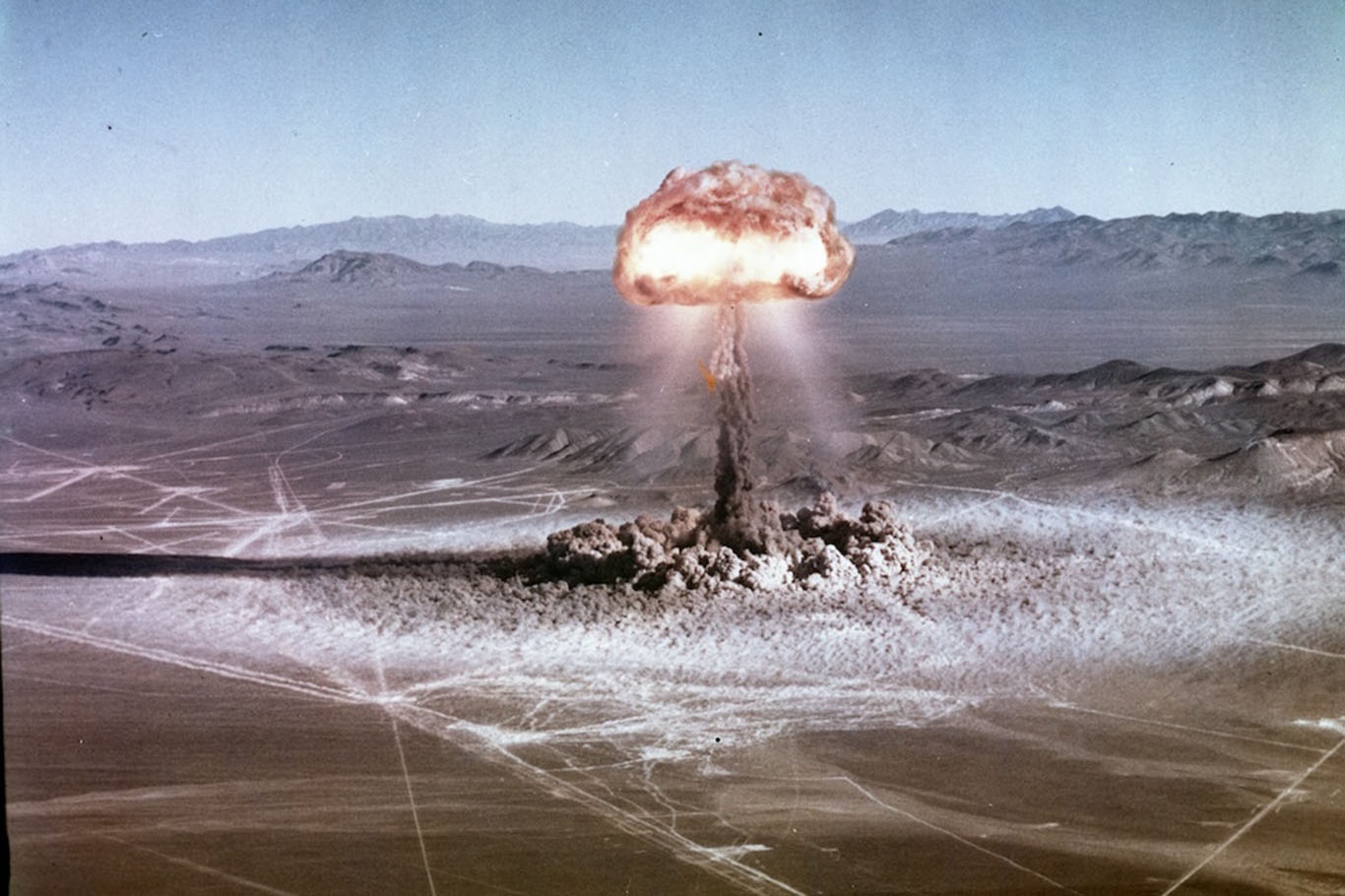
The United States has signaled that it could reconsider its decades-long moratorium on explosive nuclear testing, while simultaneously accusing China of conducting covert low-yield nuclear experiments — a development raising fresh concerns over a potential new global arms race.
Senior US officials indicated that Washington is prepared to keep the option of renewed nuclear testing “on the table,” framing the move as a matter of strategic parity. The statement comes amid renewed tensions following the expiration of the New START agreement, the last major bilateral nuclear arms control treaty between Washington and Moscow.
The US last carried out an explosive nuclear test in 1992 and has since relied on advanced simulations and subcritical experiments under its Stockpile Stewardship Program to maintain the safety and reliability of its nuclear arsenal. However, some policymakers now argue that China’s rapid nuclear modernization warrants a reassessment of that long-standing policy.
A senior official from the US State Department’s arms control division, Christopher Yao, stated that any potential future tests would not resemble large-scale atmospheric detonations such as the 1952 “Ivy Mike” explosion in the Pacific. Instead, discussions reportedly center on possible low-yield underground tests.
At the same time, Washington has accused Beijing of conducting a covert low-yield nuclear test on June 22, 2020, at the Lop Nur test site. US officials have cited seismic data allegedly indicating a single explosive event.
China has strongly denied the allegations, describing them as politically motivated and unfounded. Beijing maintains that it adheres to its voluntary moratorium on nuclear testing and points out that both China and the United States have signed — but not ratified — the Comprehensive Nuclear-Test-Ban Treaty (CTBT).
International media outlets, including Reuters and Associated Press, have reported on the renewed debate within Washington over nuclear testing policy and the broader strategic rivalry between the United States and China.
Security analysts warn that resuming live explosive nuclear tests would carry significant technical, financial and geopolitical consequences. Beyond the immediate costs, such a move could undermine global non-proliferation norms and encourage other nuclear-armed states to reconsider their own testing moratoria.
Critics argue that Washington’s posture reflects a contradiction: while pressing other nations to uphold non-proliferation commitments, it now appears willing to revisit its own restraint framework. Supporters, however, contend that strategic balance and deterrence credibility require maintaining all options.
With arms control mechanisms eroding and mutual accusations intensifying, observers say the nuclear shadow over global politics may once again be lengthening — reviving fears of a renewed era of strategic confrontation. (ILKHA)
LEGAL WARNING: All rights of the published news, photos and videos are reserved by İlke Haber Ajansı Basın Yayın San. Trade A.Ş. Under no circumstances can all or part of the news, photos and videos be used without a written contract or subscription.
Russia and Iran are evaluating plans to construct additional nuclear power plant units in Iran, in a move signaling the continued deepening of strategic energy cooperation between the two countries despite Western pressure and sanctions.
The Israeli regime continued to violate the declared ceasefire in the Gaza Strip, with renewed artillery shelling, airstrikes and live fire leaving a Palestinian child martyred and several others wounded, local medical sources reported.
A powerful winter storm triggered an avalanche in the Sierra Nevada mountain range of United States, leaving nine skiers missing as search and rescue operations continue under hazardous weather conditions.