US launches unprovoked attacks on military sites in southern Iran
 13 oC
13 oC 
Güneşli

Tensions in the Persian Gulf have sharply intensified after the United States launched a new series of military strikes against Iranian infrastructure in southern Iran.
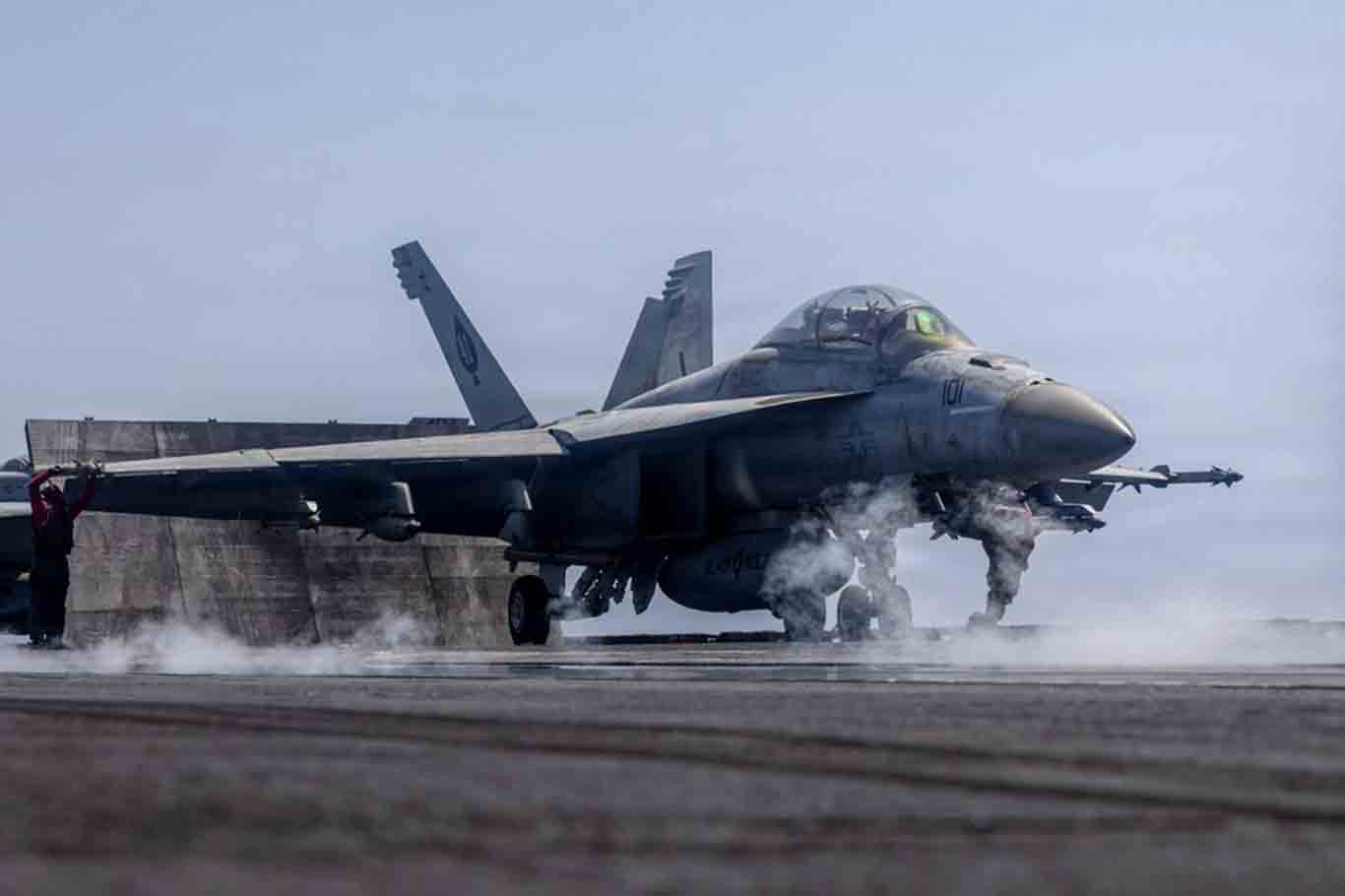
The US Central Command (CENTCOM) announced that its forces carried out attacks on several sites in southern Iran, claiming that the operation was a response to what Washington described as an Iranian attack on a commercial oil tanker. American officials alleged that the strikes targeted surveillance facilities, communication networks, air defense systems, drone storage locations, and naval capabilities.
However, Iranian observers and analysts have questioned the credibility of Washington's justification, noting that the allegations remain unverified and appear to be part of a broader pattern of using disputed claims to legitimize military action against the Islamic Republic.
Iranian media reported a series of explosions in Hormozgan province following the American attacks. Reports indicated that projectiles struck a communications tower near the village of Taheroui in Sirik County. Additional explosions were reported near the village of Masn on Qeshm Island, while residents in Bandar Lengeh and Bandar Kang also reported hearing blasts.
The attacks came only a day after previous US strikes on Iranian military sites, which Washington similarly justified by citing alleged threats to maritime navigation in the Strait of Hormuz. Iranian officials have rejected such claims and warned that the United States is pursuing a dangerous policy of escalation under false pretexts.
The latest military action has drawn strong criticism in Tehran because it occurred despite the existence of a memorandum of understanding intended to halt hostilities and initiate a 60-day negotiation process toward a comprehensive agreement.
Iranian officials described the American strikes as a clear breach of the understanding and evidence that Washington cannot be trusted to uphold its commitments. Political commentators in Iran argue that the attacks undermine ongoing diplomatic efforts and threaten regional stability at a sensitive moment.
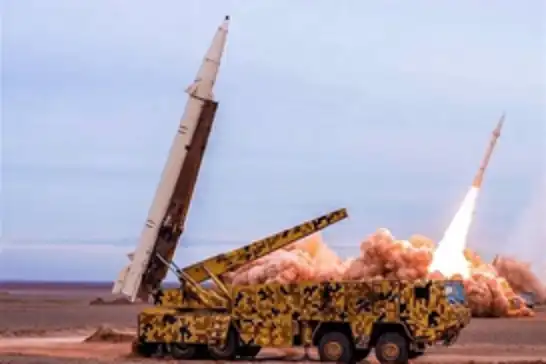
In response to the US attacks, the Islamic Revolution Guard Corps (IRGC) announced that it had targeted American military positions in the region and emphasized that Iran would not remain silent in the face of foreign aggression.
The IRGC warned that any additional attacks by the United States would be met with a broader and more forceful response. Iranian military officials stressed that the country's defensive capabilities remain fully operational and that any attempt to threaten Iran's sovereignty would carry serious consequences.
Officials in Tehran reiterated that the Islamic Republic seeks regional stability and security but will firmly defend its territorial integrity against any violation. They accused Washington of jeopardizing peace efforts and increasing the risk of a wider confrontation through continued military provocations.
As tensions continue to rise, many observers warn that the latest American strikes could further destabilize the Persian Gulf region and undermine prospects for a diplomatic resolution, while Iran maintains that lasting security can only be achieved through respect for national sovereignty and an end to foreign interference. (ILKHA)
LEGAL WARNING: All rights of the published news, photos and videos are reserved by İlke Haber Ajansı Basın Yayın San. Trade A.Ş. Under no circumstances can all or part of the news, photos and videos be used without a written contract or subscription.
The United Nations has warned that tens of thousands of Palestinians in Gaza are now living with hearing impairments caused by the intense and repeated explosions from Israeli military operations since October 2023.
The Islamic Revolution Guard Corps (IRGC) announced in the early hours of Sunday that it had carried out a large-scale retaliatory operation targeting major American military installations across the Persian Gulf region in response to recent US attacks on Iranian territory.
Israeli occupation authorities have continued to prevent the call to prayer at the historic Ibrahimi Mosque in Hebron for a ninth consecutive day, in a dangerous escalation targeting one of the most significant Islamic holy sites in occupied Palestine.