UNICEF warns nearly 3 million children at risk as Ebola outbreak intensifies in eastern DR Congo
 13 oC
13 oC 
Güneşli

Nearly three million children and adolescents are at risk as a worsening Ebola outbreak spreads across eastern Democratic Republic of the Congo (DRC), prompting renewed concerns over child mortality, orphanhood, and the collapse of essential services, according to UNICEF.
The warning comes as the number of confirmed Ebola cases globally has surpassed 1,000. UNICEF estimates that approximately 2.95 million children and adolescents under the age of 18—representing more than half of the population in 31 affected health zones—face threats not only from the deadly virus itself but also from the disruption of healthcare, education, nutrition, and child protection services.
“Children are trying to make sense of the threat while surrounded by rumors and online misinformation,” said Catherine Russell, noting that many young people in affected communities have already lost one or both parents to the disease.
Children Facing Disproportionate Impact
Although children and adolescents account for roughly 15 percent of confirmed Ebola infections in eastern DRC, they represent more than a quarter of all confirmed deaths. According to UNICEF, young patients diagnosed with Ebola are nearly twice as likely to die from the disease as adults, highlighting the severe risks facing younger populations.
Health officials caution that the true scale of the outbreak may be difficult to determine. While testing capacity has improved in recent weeks, insecurity, restricted humanitarian access, and limitations in surveillance and contact tracing continue to hamper efforts to fully assess the situation.
The outbreak's epicentre remains in the eastern province of Ituri Province, particularly in the health zones of Mongbwalu, Rwampara, and Bunia. Additional cases have also been reported in North Kivu and South Kivu provinces.
Growing Number of Orphaned Children
The humanitarian consequences of the outbreak are becoming increasingly evident. UNICEF reports that at least 135 children who have lost parents or caregivers to Ebola in Ituri are receiving psychosocial support, access to social services, and assistance with alternative care arrangements.
To support vulnerable children, UNICEF has helped establish the first specialized nursery for infants and young children separated from their families while parents receive treatment in Ebola treatment centres. Two additional facilities are expected to open in the coming weeks.
Aid agencies warn that many children in the affected areas were already living in highly vulnerable conditions before the outbreak. More than half of children under five in Ituri suffer from chronic malnutrition, while vaccination coverage remains low, increasing the risks associated with infectious diseases.
Health experts note that Ebola symptoms often resemble other common illnesses such as malaria during the early stages of infection, making timely diagnosis more difficult. Malnutrition further weakens immune systems, increasing the likelihood of severe illness.
Wider Humanitarian Concerns
Beyond the direct health impact, humanitarian organizations are raising alarm over the broader social consequences of the outbreak. Children affected by Ebola often face stigma, trauma, and psychological distress. Outbreaks can also heighten risks of violence, including sexual violence against women and girls.
The crisis is further compounded by years of armed conflict and mass displacement in eastern DRC, which have already exposed millions of children to insecurity, exploitation, and limited access to essential services.
UNICEF warns that disruptions to healthcare, nutrition programmes, immunization campaigns, education, clean water supplies, sanitation systems, and child protection services could have long-term consequences for affected communities.
Uganda Reports Cross-Border Cases
The outbreak has also spread beyond the DRC's borders. In neighboring Uganda, authorities have confirmed 20 Ebola cases and two deaths among individuals who crossed from the DRC seeking testing and treatment.
Children have also been affected in Uganda, with one child testing positive for the virus and 19 others currently under quarantine and medical monitoring.
International Response Intensifies
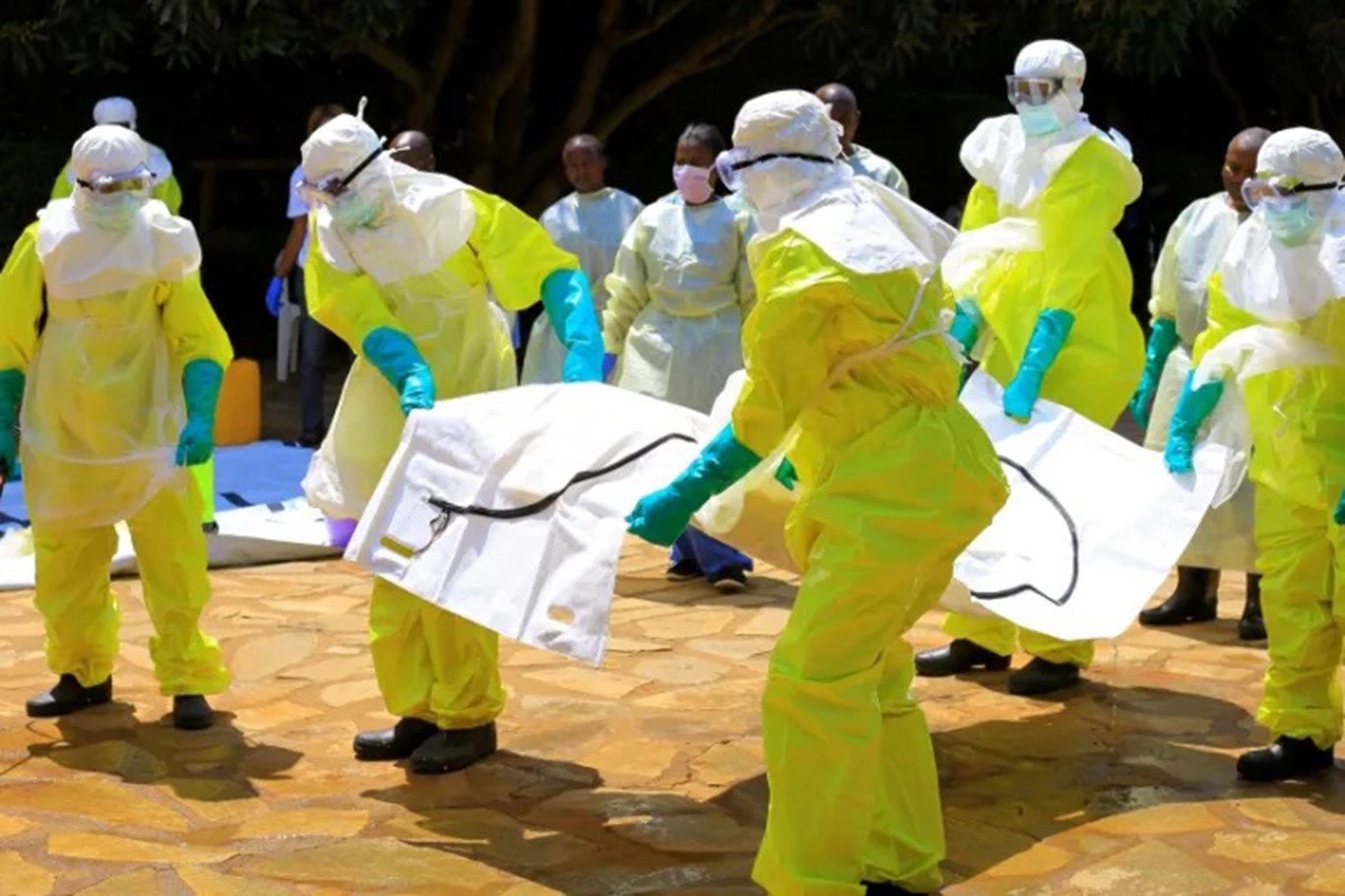
UNICEF, working alongside the World Health Organization, the Africa Centres for Disease Control and Prevention, and national governments, is supporting efforts to contain the outbreak through infection prevention measures, contact tracing, community awareness campaigns, and safe burial practices.
At the same time, humanitarian agencies are working to maintain essential services for affected populations, particularly children and families at risk.
To support the emergency response, UNICEF is seeking $70.7 million in funding for a six-month intervention plan. However, the agency says a funding gap of approximately $20 million remains, threatening critical operations.
UNICEF has also called for safe and sustained humanitarian access to affected communities, warning that without adequate resources and access, efforts to protect vulnerable children could be severely hindered.
“Children are especially vulnerable because they depend on caregivers and cannot distance themselves from a sick parent or sibling in the same way that an adult can,” Russell said. “To better protect children, we need sustained access and the resources necessary to reach every affected community.”
As health authorities race to contain the outbreak, aid organizations warn that the coming weeks will be critical in preventing further loss of life and protecting millions of children caught at the centre of one of the region’s most serious public health emergencies. (ILKHA)
LEGAL WARNING: All rights of the published news, photos and videos are reserved by İlke Haber Ajansı Basın Yayın San. Trade A.Ş. Under no circumstances can all or part of the news, photos and videos be used without a written contract or subscription.
Israeli forces kidnaped 11 Palestinians, including a woman, during pre-dawn raids on Wednesday, intensifying the ongoing campaign of repression against the Palestinian population under illegal Israeli occupation.
Russia’s Defence Ministry announced on Wednesday that its forces have taken control of the village of Ivolzhanske in northeastern Ukraine’s Sumy region, marking a reported advance in the ongoing conflict.
Germany witnessed a record surge in anti-Muslim attacks and discrimination in 2025, with more than 4,000 documented incidents reported across the country, according to a new report released by the Alliance Against Islamophobia and Anti-Muslim Hate.