Trump vows swift end to Iran war as Tehran rejects US pressure
 13 oC
13 oC 
Güneşli

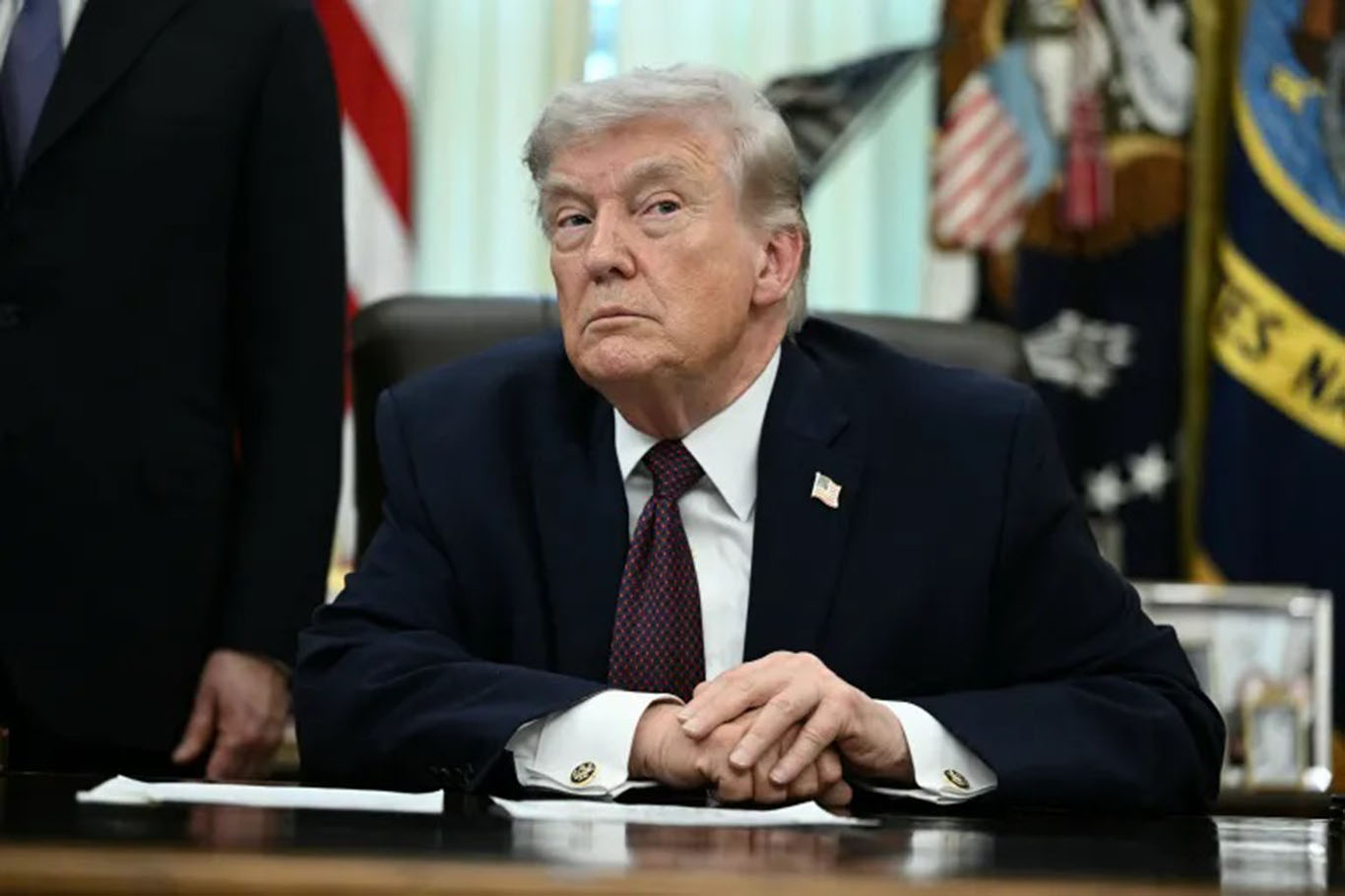
US President Donald Trump has claimed that the war with Iran will end “very quickly” and that oil prices will “come tumbling down,” while Tehran has rejected Washington’s demands for sweeping restrictions on its nuclear program and continued to insist that negotiations must be based on mutual respect, fairness and an end to military and economic pressure.
Trump made the remarks on Wednesday as the seven-month US-Iran war continued to unsettle the region and global energy markets.
Speaking to reporters before departing Washington for a Republican campaign rally in San Antonio, Trump claimed that the United States had removed Iran’s nuclear capabilities and said Washington's military campaign had dealt a devastating blow to the country.
“It is a war from the standpoint of what we have to do,” Trump said. “We have to get rid of the nuclear weapons for Iran.”
He added that the war would end “very quickly” and predicted a sharp decline in oil prices once the conflict was over.
Tehran, however, has rejected Washington's characterization of the conflict and continued to challenge US demands that it surrender significant parts of its nuclear program as a condition for an end to hostilities.
Tehran rejects US pressure
Iranian officials have emphasized that the country's nuclear program and enrichment rights cannot simply be dictated by Washington.
US Vice President JD Vance said Iran must make a “meaningful” reduction in its uranium enrichment capacity before Washington would agree to end the war. His comments appeared to leave some room for continued Iranian enrichment, despite Trump's earlier insistence that Iran should have no enrichment capability.
Vance argued that Tehran should demonstrate that it does not intend to develop nuclear weapons by accepting restrictions on enrichment.
Iran, however, has maintained that the nuclear issue cannot be separated from the broader circumstances of the conflict, including sanctions, the US naval blockade and the need for guarantees against further attacks.
Iranian President Masoud Pezeshkian has accused Washington of repeatedly using negotiations while pursuing military action against Iran, arguing that such conduct undermines confidence in diplomacy. Iranian Foreign Minister Abbas Araghchi, while emphasizing Iran's determination to defend itself, has also indicated that Tehran remains open to negotiations based on justice and fairness.
Iran says diplomacy remains possible
Araghchi has said Iran used its diplomatic presence at the United Nations General Assembly in New York to present a proposal aimed at reopening the Strait of Hormuz and creating a framework for renewed negotiations.
The Iranian proposal reportedly called for an end to fighting, the lifting of the US naval blockade and oil sanctions, the release of frozen Iranian assets and a subsequent reopening of the Strait of Hormuz, followed by negotiations on the nuclear issue. Washington rejected the proposal, while later putting forward its own counterproposal.
Iran has stressed that any agreement must address what Tehran regards as the fundamental causes of the confrontation rather than simply impose additional restrictions on Iran.
Araghchi has said that negotiations based on justice and fairness remain the path toward ending the conflict, while Pezeshkian has warned that diplomacy cannot succeed if talks are repeatedly followed by military action.
Tehran challenges US claims over Hormuz
The Strait of Hormuz remains at the heart of the confrontation.
US Secretary of State Marco Rubio claimed on Wednesday that Iran had lost control of the strategic waterway and that oil flows had largely recovered. Iranian officials have rejected such claims and said Tehran retains significant control over the waterway.
Iran has also warned that it would block what it describes as illegal shipping routes being used through the strait, further highlighting Tehran's ability to influence one of the world's most strategically important energy corridors.
At least 12 incidents involving oil, LNG and LPG tankers were reported between Sept. 28 and Oct. 5, according to maritime security sources cited by Reuters, underscoring the continuing risks to commercial shipping.
Oil markets remain vulnerable
Trump's prediction that oil prices will plunge after the war contrasts with the continuing instability in energy markets.
Brent crude settled at around $100.20 a barrel on Wednesday after volatile trading, while US West Texas Intermediate crude settled at $88.28. The International Energy Agency has accelerated the release of oil reserves in an effort to ease pressure on fuel markets disrupted by the conflict.
The continuing attacks and security risks around Hormuz have prevented energy markets from fully returning to normal, even as some Middle Eastern oil exports have recovered.
For Iran, the confrontation is not merely an economic dispute, but a struggle over national sovereignty and its right to determine its own security and nuclear policies without external coercion.
Tehran rejects claims of weakness
Iranian officials have also pushed back against US assertions that economic pressure is forcing Tehran to capitulate.
Iranian government spokesperson Fatemeh Mohajerani rejected Trump's characterization of the resignation of Iran's oil minister, saying it should not be interpreted as evidence of weakness.
Tehran has repeatedly emphasized that political changes and disagreements within the government should not be confused with surrender to foreign pressure.
Meanwhile, Iranian Foreign Ministry spokesperson Esmaeil Baghaei rejected claims that Washington does not understand who makes decisions in Tehran, saying the real problem lies in contradictory messages coming from US officials.
Washington's pressure strategy faces uncertainty
The Trump administration continues to insist that Iran make substantial concessions on uranium enrichment before an agreement can be reached.
But analysts cited by Al Jazeera say Washington's focus on enrichment may overlook Tehran's broader concerns, including the lifting of sanctions, the US naval blockade, the release of frozen Iranian assets and an end to regional hostilities.
The divergence highlights the fundamental gap between the two sides: Washington is seeking restrictions on Iran's nuclear capabilities, while Tehran is demanding guarantees against continued military attacks and economic coercion.
Despite Trump's repeated prediction that the war could end rapidly, the latest developments suggest that the confrontation remains deeply rooted in disputes over Iran's sovereignty, nuclear rights, sanctions and the strategic Strait of Hormuz.
For Tehran, any lasting settlement must therefore provide more than an end to hostilities. It must also respect Iran's national sovereignty, protect its legitimate rights and remove the sanctions and military pressure that Iranian officials say have fueled the conflict. (ILKHA)
LEGAL WARNING: All rights of the published news, photos and videos are reserved by İlke Haber Ajansı Basın Yayın San. Trade A.Ş. Under no circumstances can all or part of the news, photos and videos be used without a written contract or subscription.
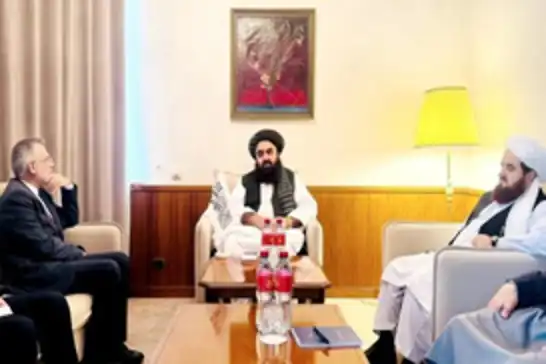
Afghanistan's Foreign Minister Mawlavi Amir Khan Muttaqi met with Mohammad Reza Bahrami, a representative of Iran's Foreign Ministry, on the sidelines of the 8th Moscow Format Summit, discussing ways to strengthen relations between the two neighboring countries.
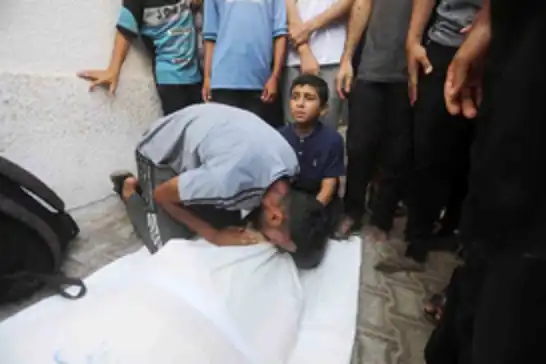
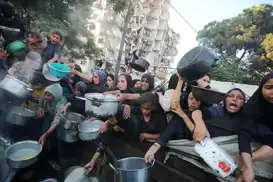
Five more Palestinians were martyred and 11 others were injured in attacks on the Gaza Strip over the past 24 hours despite the ongoing ceasefire, bringing the total number of martyrs since October 2023 to 74,250 and the number of injured to 175,278, according to the Palestinian Ministry of Health.
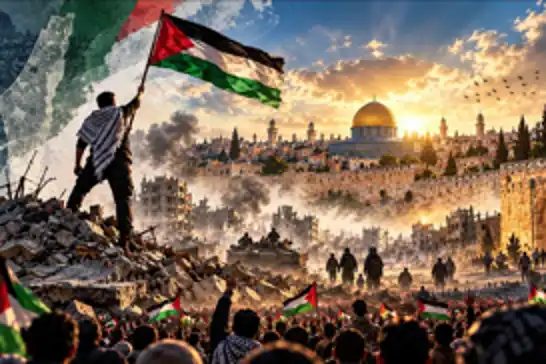
Muslim Brotherhood Deputy General Guide Dr. Salah Abdulhaq called for continued support for the Palestinian cause in a message marking the third anniversary of the Al-Aqsa Flood operation, saying that Gaza residents are holding on to patience and their faith despite being left alone by many.