Syria faces deepening humanitarian crisis as living and fuel costs soar
 13 oC

Güneşli

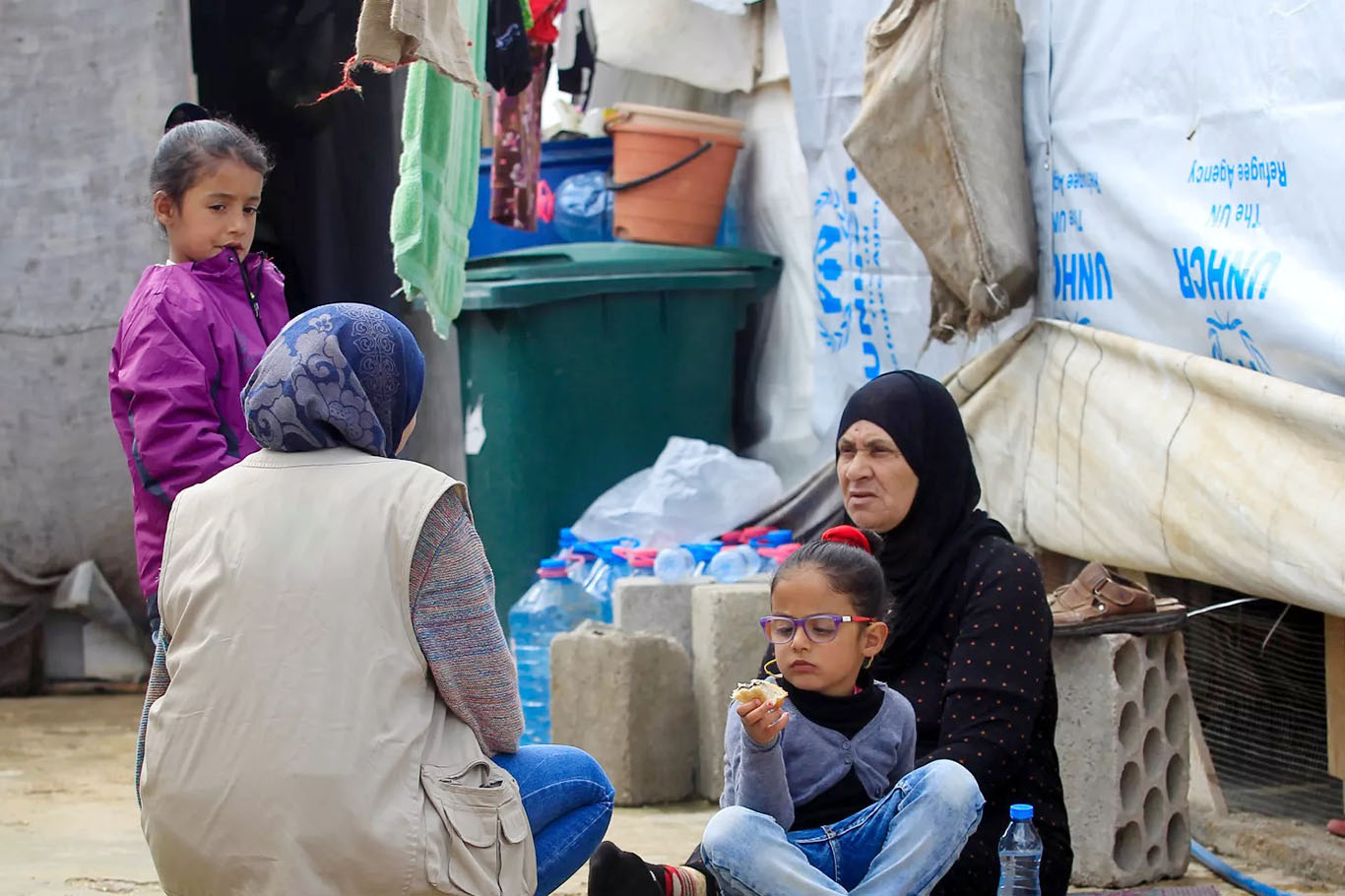
Rising living costs and fuel prices are worsening humanitarian conditions across Syria, pushing food security and livelihoods to the top of people's needs as households struggle to afford basic necessities ahead of winter, according to a new assessment by the REACH Initiative.
The November 2026 Humanitarian Situation Monitoring (HSM) factsheet found that 68% of key informants identified livelihoods as a leading priority need, while 66% cited food security. Winterisation ranked third, with 53% identifying it as a major concern as temperatures begin to drop.
The quarterly assessment was based on interviews with 1,155 key informants across 775 communities in all 14 Syrian governorates between October 7 and 22.
According to the findings, nearly two-thirds of respondents (65%) reported significant increases in living costs, up from 60% in May 2026. The situation was particularly severe in Deir-ez-Zor, where 92% reported rising expenses, followed by Al-Hasakeh at 85% and Lattakia at 80%.
The assessment found that financial hardship, rather than the physical unavailability of food, was the main obstacle to accessing basic supplies. Among communities reporting food-related difficulties, 94% identified the inability to afford food or the fuel and transportation required to obtain it as the primary barrier.
Fuel prices intensify economic hardship
Rising fuel prices have become a major factor driving the worsening humanitarian situation, with 92% of key informants identifying them as a significant contributor to higher household expenses.
Domestic fuel prices increased by between 17% and 30% from May to October 2026, while cooking gas prices rose by 19%, according to the assessment.
These increases have affected nearly every aspect of daily life, driving up the costs of transporting food, pumping water, generating electricity, heating homes and maintaining essential services.
REACH described fuel prices as a "multi-sectoral crisis multiplier," warning that rising costs are intensifying vulnerabilities across food security, livelihoods, healthcare, education, water and sanitation.
The assessment also found that 82% of key informants in communities where fuel prices increased by more than 50% reported at least one harmful coping strategy. These included reducing food consumption, purchasing lower-quality food, postponing medical treatment and cutting education-related expenses.
Deir-ez-Zor, Hasakeh and Daraa face severe needs
The assessment identified Deir-ez-Zor, Al-Hasakeh and Dar'a as the governorates facing some of the most severe overlapping humanitarian needs.
Deir-ez-Zor recorded the highest proportion of assessed communities experiencing five or more severity indicators, at 33%. Al-Hasakeh followed with 25%, while Dar'a registered 22%.
In Deir-ez-Zor, communities including Adman, Balash, Ashara and Jerwan-Abu Elhbal faced multiple challenges involving deteriorating livelihoods, food affordability, healthcare, water and sanitation, and inadequate winter preparations.
In Al-Hasakeh, the communities of Hole and Unaizee recorded particularly severe conditions across several sectors, including food security, healthcare, access to clean water and winterisation.
Meanwhile, communities in Dar'a, including Nawa, Mseifra, Mzerea and Busra Esh-Sham, faced overlapping difficulties related to livelihoods, shelter, food access, water and healthcare.
Winter preparations become increasingly difficult
As colder weather approaches, the ability of Syrian households to secure adequate heating and shelter remains a major concern.
Winterisation needs were particularly widespread in As-Sweida, where 98% of key informants reported concerns, followed by Al-Hasakeh at 95% and Deir-ez-Zor at 92%.
Diesel remained the most commonly reported heating source, while approximately half of key informants said electricity was unaffordable. Many communities also continued to experience severe electricity rationing.
The rising cost of heating fuel is placing additional pressure on households already struggling to meet their food and other essential expenses, forcing many to make difficult choices between staying warm and purchasing basic necessities.
Healthcare, education and water services under pressure
Access to healthcare continues to be constrained by financial difficulties, shortages of medicines and medical equipment, and limited healthcare facility capacity.
Affordability was identified as the main obstacle to accessing healthcare in 51% of communities reporting difficulties.
Water, sanitation and hygiene services also remain inadequate in several parts of the country. Nationally, 12% of key informants reported that WASH services were unavailable, with the figure rising to 40% in Deir-ez-Zor.
Although education services were relatively more stable than other sectors, significant gaps persisted, particularly in Deir-ez-Zor, where economic hardship and service disruptions continue to affect access to schooling.
The assessment also highlighted ongoing protection concerns, particularly the presence of unexploded ordnance, which continues to restrict movement, undermine livelihoods and obstruct reconstruction efforts in affected communities.
Nearly half of key informants reported that safe and confidential protection services were unavailable in their areas.
Humanitarian needs expected to intensify
REACH cautioned that its findings are indicative and reflect the assessments of key informants rather than a comprehensive survey of every household in Syria. Data collection in As-Sweida was conducted remotely because of security escalations, adding further limitations to the findings.
The assessment comes as Syrian communities continue to face economic hardship, rising commodity prices and persistent gaps in essential public services.
With purchasing power continuing to decline and winter approaching, humanitarian needs are expected to place additional pressure on vulnerable households, particularly in areas already experiencing severe shortages of basic services.
The convergence of rising food and fuel costs, inadequate heating, limited healthcare and deteriorating livelihoods is forcing many families to choose between essential needs, raising concerns about a further deterioration in living conditions across the country. (ILKHA)
LEGAL WARNING: All rights of the published news, photos and videos are reserved by İlke Haber Ajansı Basın Yayın San. Trade A.Ş. Under no circumstances can all or part of the news, photos and videos be used without a written contract or subscription.

More than 300 Afghan business representatives are expected to participate in an international trade conference in Uzbekistan next week as Kabul and Tashkent seek to strengthen bilateral economic ties, expand Afghan exports and attract investment.
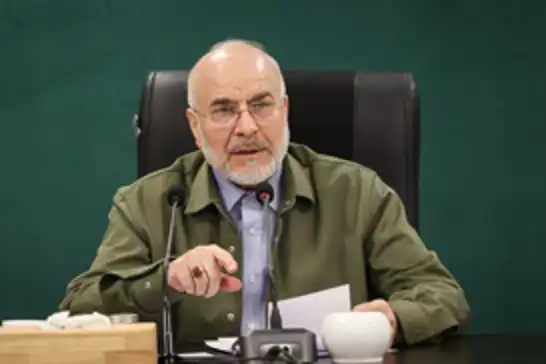
Iran will not enter negotiations with the United States until seven conditions set by Tehran are fulfilled, Parliament Speaker Mohammad Bagher Ghalibaf said Tuesday, dismissing Washington's threats and economic pressure and warning against any further provocation.

A car bomb exploded outside the headquarters of the Meta Department government in the Colombian city of Villavicencio, injuring at least 23 people and causing extensive damage to government buildings and nearby properties, authorities said Tuesday.