PKK's delayed disclosure of dead members raises questions about internal executions
 13 oC

Güneşli

The PKK's recent decision to reveal the identities of members who died in previous decades has brought renewed attention to the fate of thousands of people who joined the organization but whose deaths were never reported to their families.
Some bodies were never returned to relatives, while others are believed to have been buried or concealed in caves and former camps. Allegations that the organization also executed members within its own ranks have added to the questions surrounding its decades-long armed campaign.
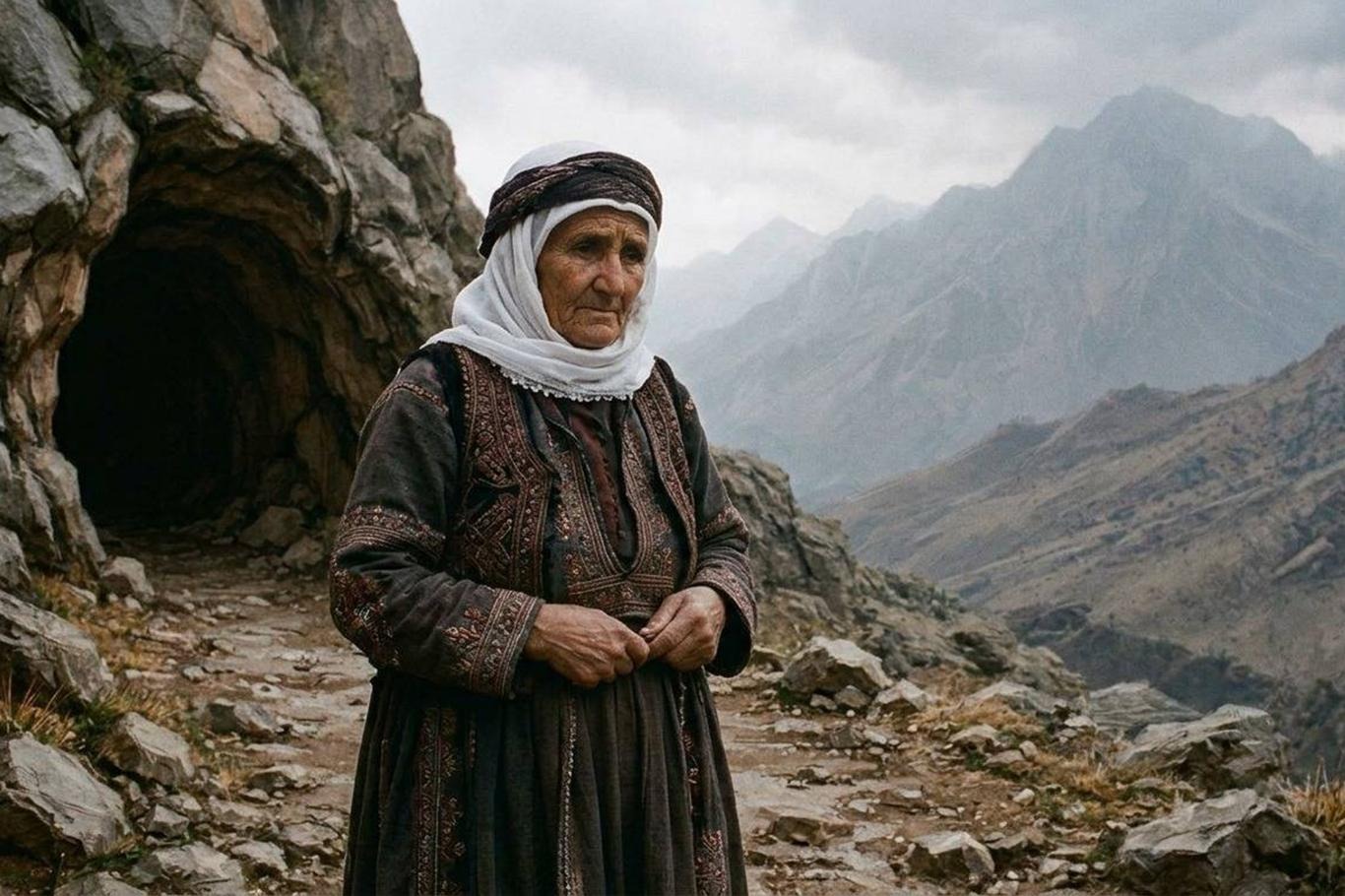
The names being released now belong to people who died years ago, but the organization has yet to provide a full account of how and when many of them died. Their families still want to know why they were kept in the dark, where their loved ones were buried and what happened to their remains.
There are also concerns about the fate of members who were wounded in clashes and allegedly abandoned in caves without medical assistance, as well as the possibility that human remains are still hidden in areas once used by the organization.
In August 2026, the PKK announced the identities of 230 members who had died at different times. Senior PKK figure Murat Karayılan later said that the identities of another 520 people from Türkiye who had joined the organization had yet to be made public.
Karayılan also disclosed figures on the organization's death toll over the past five decades. According to the PKK's own records, 25,922 members died between 1976 and 2026. He said the number could reach approximately 27,000 when those missing from the organization's records are included.
These figures come from the organization itself and have not been independently verified. Other research and media reports have offered different estimates of the number of people killed during the decades-long conflict.
Allegations of internal executions resurface
The disclosure of previously unreported deaths has also revived allegations that the PKK executed some of its own members.
The organization's history includes not only militants killed in clashes with security forces but also alleged internal purges targeting dissenting members, rival cadres and those accused of challenging the leadership. Testimonies and media reports from the 1980s and 1990s describe interrogations, torture and executions in the Bekaa Valley, Qandil, Lolan Camp and other areas where the organization operated.
A 2019 Anadolu Agency (AA) investigative report on Lolan Camp featured accounts from former PKK members and researchers who described alleged executions carried out on accusations of espionage, collaboration and other offenses. Some accounts suggested that thousands of people had been killed during internal purges over the years.
Further allegations emerged during an investigation into unsolved murders launched in 2012. Authorities reportedly contacted hundreds of families whose children had died while serving in the organization's armed ranks. Some families said they had never received their children's bodies or been told clearly how they had died.
According to reports on the investigation, families were given various explanations, including death in combat, suicide, mine explosions, accidental shootings, heart attacks and drowning. Some relatives, however, suspected that their children had been executed by the organization and that the actual circumstances of their deaths had been concealed.
The investigation also examined allegations that five female PKK members had been executed inside a cave. Their names were identified in reports at the time as Hazine Şeker, Leyla Gündoğdu, Şilan Uğur, Miyaser Marangoz and Leyla İncisoy.
These cases, along with testimonies from relatives and complaints submitted to authorities, have raised serious questions about whether some deaths were deliberately concealed and families were given misleading accounts of what had happened.
How many bodies remain in caves?
Another question that remains unanswered is how many people were allegedly executed and buried in caves in areas where the PKK operated.
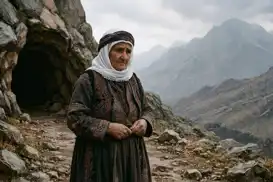
Over the years, several incidents and investigations have pointed to allegations that caves were used not only as shelters but also as sites for internal executions and the concealment of bodies.
One such case emerged in 2021 in Diyarbakır's Lice district, where reports indicated that three PKK members had been executed inside a cave. The victims were identified as Muhammed Şirin Demir, Jiyan Gülten and Mesut Yıldırım.
The circumstances surrounding Demir's disappearance were particularly heartbreaking. He had reportedly been taken to the mountains by the PKK from Batman three years earlier, when he was just 16.
At the time, Demir was a 10th-grade student at Batman Social Sciences High School. He had left home telling his mother, Süheyla Demir, who was suffering from cancer, that he was going to a friend's house for iftar. He never came back.
Cases such as this highlight the need to distinguish between two different circumstances: members allegedly executed in caves as part of internal purges and those wounded in clashes who were reportedly abandoned and left to die.
Establishing how many people died in each of these circumstances, finding their remains and determining what happened to them are among the most pressing questions facing families who have spent years searching for answers.
Families still waiting to learn what happened
The recent disclosures have brought several long-standing questions back into focus:
For families who have spent years without knowing what happened to their loved ones, these are not merely historical or political questions. They are matters of truth, accountability and the right to know the fate of missing relatives.
Disarmament brings the PKK's past back into focus
The PKK's announcements concerning its dissolution and decision to lay down arms have made it even more important to address what happened during its decades-long armed campaign.
The end of the conflict does not put an end to questions about alleged internal executions, disappearances, concealed deaths and other abuses attributed to the organization. Likewise, announcing the names of deceased members is not enough when families still do not know how their loved ones died or where their remains are.
For many parents, the questions are painfully simple: When did their children die? Where did it happen? How were they killed? And where are they buried? Mothers and fathers who have waited for years, sometimes decades, deserve clear answers.
As the "Terror-Free Türkiye" process moves forward, calls are growing for searches of caves and former PKK operational areas to establish whether human remains are still hidden there.
Such efforts could include collecting testimonies from former members, examining organizational archives and records relating to Qandil, the Bekaa Valley, Lolan Camp and other former bases, and carrying out forensic examinations of caves and abandoned shelters.
DNA samples could also be collected from the families of missing members to help identify any remains recovered and establish the fate of those whose deaths were never reported.
Ultimately, the disclosure of names that remained hidden for years has opened a much wider debate about the PKK's past and the need to account for what happened within its ranks. For families still waiting for news, the priority is clear: finding their loved ones, recovering their remains and learning the truth about how they died. Without answers, the past will remain unresolved for those left behind. (ILKHA)
LEGAL WARNING: All rights of the published news, photos and videos are reserved by İlke Haber Ajansı Basın Yayın San. Trade A.Ş. Under no circumstances can all or part of the news, photos and videos be used without a written contract or subscription.
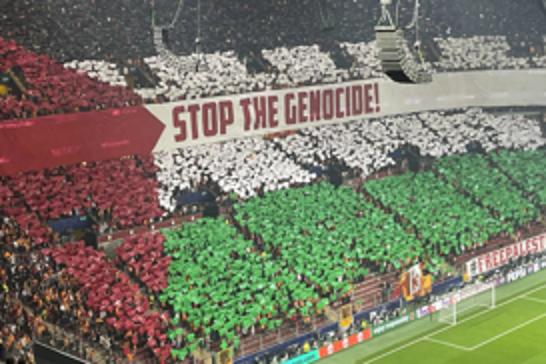
As Palestinians continue to endure the devastating consequences of Israel's ongoing attacks, Galatasaray Chairman Dursun Özbek has defended the club's supporters for expressing solidarity with the Palestinian people, condemning a complaint by the Israeli government to UEFA over pro-Palestine banners displayed in the stands.
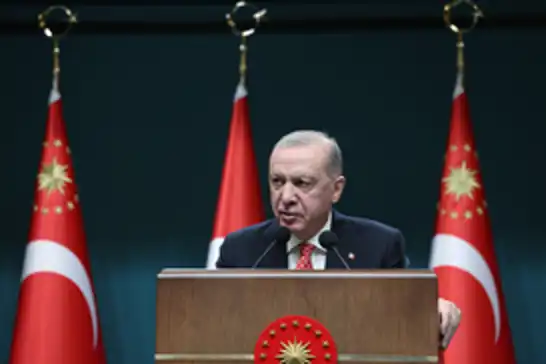
Turkish President Recep Tayyip Erdoğan has vowed to press ahead with the government's "terror-free Türkiye" initiative, describing it as a state-led process aimed at strengthening national security and establishing lasting peace, while warning against attempts to derail it for political purposes.
Turkish President Recep Tayyip Erdoğan is set to chair a Cabinet meeting in Ankara on Monday, with proposed pension increases, the ongoing investment fund investigation and the government's counterterrorism initiative expected to dominate discussions.