Russian government retaliates against ICC arrest warrant, issuing its own warrant for British prosecutor
 13 oC
13 oC 
Güneşli

Amid escalating tensions between Russia and the international community, the Russian government has retaliated against the arrest warrant issued by the International Criminal Court (ICC) for Russian President Vladimir Putin.
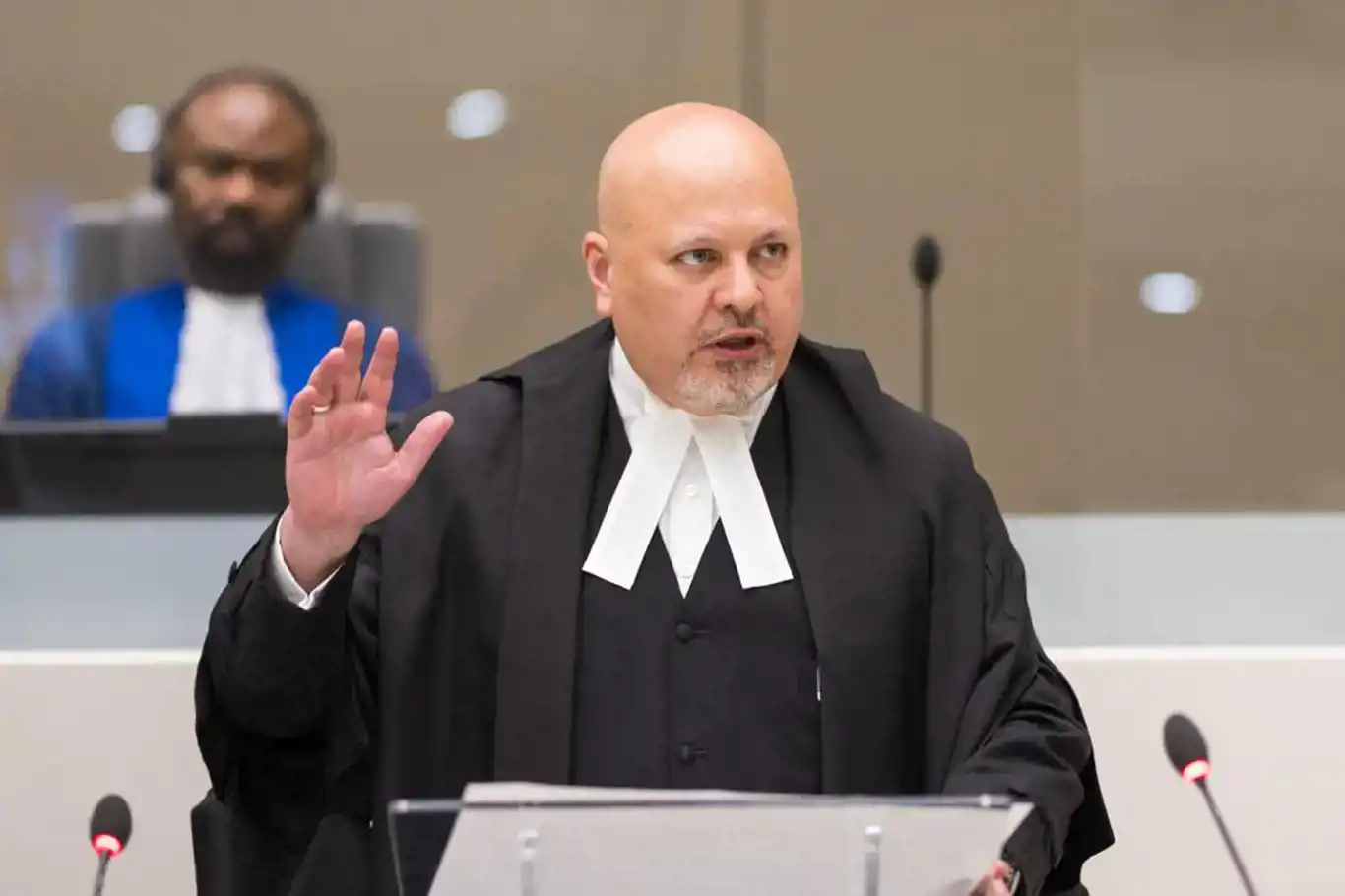
In response, Russia has issued its own arrest warrant for Karim Khan, the British prosecutor of the ICC. The ICC had accused Putin and Russia's commissioner for children's rights, Maria Lvova-Belova, of facilitating the forced deportation of Ukrainian children to Russia, where many were placed with Russian families.
The arrest order issued by Russia's interior ministry targets Khan, who has served as the ICC prosecutor since 2021. Khan played a crucial role in the investigation and issuance of the arrest warrant against Putin. His visits to Ukraine prior to the public accusations provided the basis for the ruling that Putin bears individual criminal responsibility for the alleged child abductions.
The accusations of child abductions have been a source of contention between Russia and Ukraine. Kyiv has accused Russia of abducting over 16,000 children since the start of the full-scale invasion in February of the previous year. Lvova-Belova herself had acknowledged her involvement, revealing that she had "adopted" a child from Mariupol, emphasizing her understanding of being a mother to a child from Donbas.
Prior to the arrest warrant against Khan, he had already been named in a criminal case opened by the Russian investigative committee. The committee also accused three judges from the ICC of making false accusations and plotting an attack on a representative of a foreign state.
The arrest warrants against Putin and Khan have sparked strong reactions from the Kremlin and Putin's allies. Former President Dmitry Medvedev called for a missile strike on the ICC in response, while Vyacheslav Volodin, the state Duma chair, labeled the warrant an act of aggression against Russia.
This development marks a further escalation in the ongoing confrontation between Russia and Ukraine's western allies, with the Kremlin framing it as an existential conflict. The situation continues to unfold with heightened tensions on all sides. (ILKHA)
LEGAL WARNING: All rights of the published news, photos and videos are reserved by İlke Haber Ajansı Basın Yayın San. Trade A.Ş. Under no circumstances can all or part of the news, photos and videos be used without a written contract or subscription.

The European Council has introduced a new criterion allowing the European Union to impose sanctions on individuals, entities, and bodies linked to actions or policies attributed to Belarus that undermine or threaten democracy, the rule of law, or the stability and security of the EU and its member states.
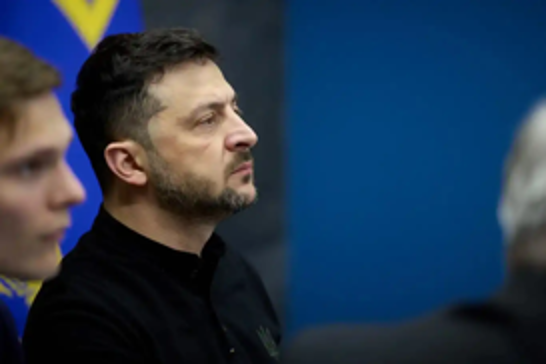
Ukrainian President Volodymyr Zelensky met with U.S. envoys in Berlin on Monday to continue discussions on a potential plan to end the Russia-Ukraine war.
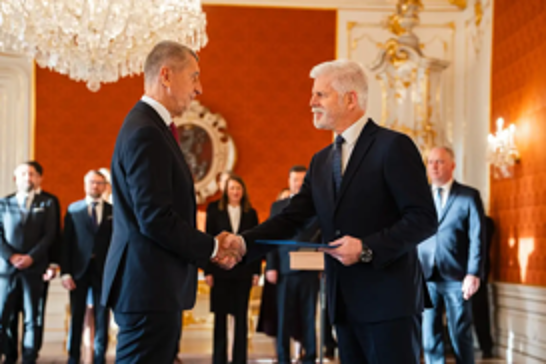
Andrej Babiš was sworn in as the Czech Republic’s new prime minister on Monday following his victory in October’s parliamentary elections, marking a significant political shift that is expected to weaken Prague’s support for Ukraine and strengthen the influence of Europe’s populist right.
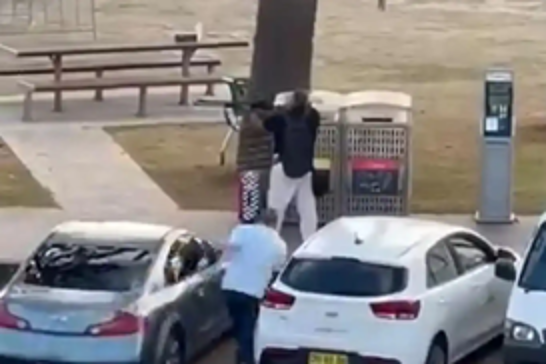
Australia’s government on Monday pledged to tighten gun laws as the nation began mourning the victims of its deadliest mass shooting in nearly three decades, after police accused a father and son of killing 15 people during a Jewish celebration at Sydney’s iconic Bondi Beach.