Australia vows tougher gun laws after deadly Bondi Beach mass shooting
 13 oC
13 oC 
Güneşli

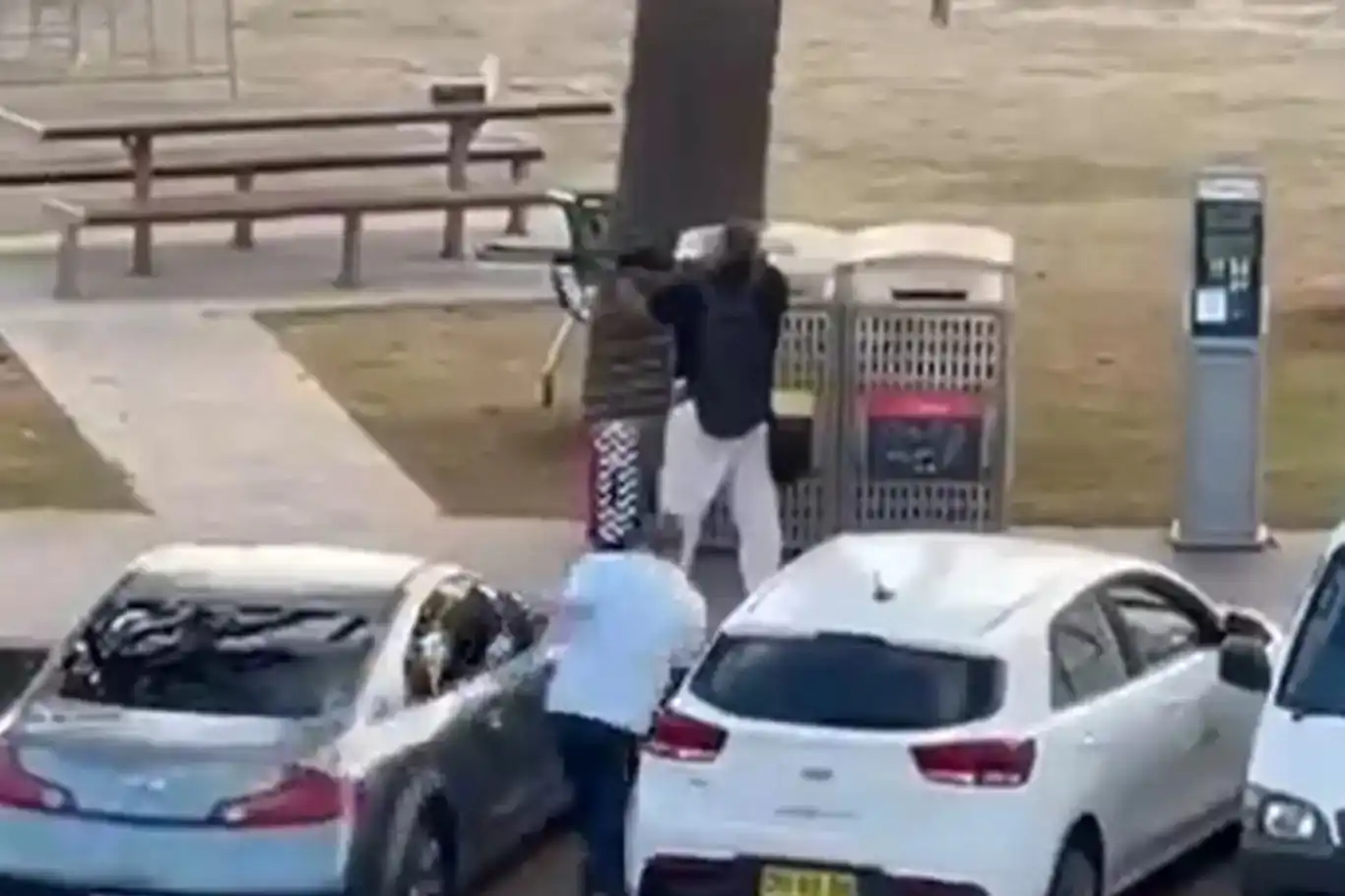
Australia’s government on Monday pledged to tighten gun laws as the nation began mourning the victims of its deadliest mass shooting in nearly three decades, after police accused a father and son of killing 15 people during a Jewish celebration at Sydney’s iconic Bondi Beach.
The attack has reignited debate over whether Australia’s firearms regulations—already among the strictest in the world—require further strengthening. Police said the older suspect had legally held a firearms licence since 2015 and possessed six registered weapons.
Prime Minister Anthony Albanese said his cabinet had agreed to move swiftly to strengthen gun laws and advance work on a national firearms register. Proposed measures include reviewing how many weapons a single licence holder may own and limiting the duration of gun licences.
“People’s circumstances can change,” Albanese told reporters ahead of the cabinet meeting. “People can be radicalised over a period of time. Licences should not be in perpetuity.”
Police said the 50-year-old father was shot dead at the scene, bringing the death toll to 16, while his 24-year-old son was in critical condition in hospital. Authorities said around 40 people were taken to hospital following the attack, including two police officers who were reported to be in serious but stable condition.
Police did not officially release the names of the suspects, though Australian media, including national broadcaster ABC, identified them as Sajid Akram and his son Naveed Akram. Home Affairs Minister Tony Burke said the father arrived in Australia in 1998 on a student visa, while the son was an Australian-born citizen.
Security officials confirmed that one of the suspects was known to authorities but had not been assessed as posing an immediate threat prior to the attack.
“We are very much working through the background of both persons,” New South Wales Police Commissioner Mal Lanyon told reporters. “At this stage, we know very little about them.”
Police did not disclose specific details about the firearms used, but video footage from the scene appeared to show the attackers using a bolt-action rifle and a shotgun.
Albanese said the government is considering a range of measures, including restrictions on open-ended licences, limits on the number and types of weapons individuals can own, controls on firearm modifications, and tighter eligibility requirements, with permits potentially restricted to Australian citizens.
Mass shootings are rare in Australia, which is considered one of the safest countries globally. Sunday’s attack was the country’s worst since 1996, when a gunman killed 35 people at the Port Arthur tourist site in Tasmania, prompting sweeping gun law reforms.
Australia’s Jewish population numbers about 150,000 out of a total population of 27 million, with roughly one-third living in Sydney’s eastern suburbs, including the Bondi area where the attack occurred. (ILKHA)
LEGAL WARNING: All rights of the published news, photos and videos are reserved by İlke Haber Ajansı Basın Yayın San. Trade A.Ş. Under no circumstances can all or part of the news, photos and videos be used without a written contract or subscription.

The European Council has introduced a new criterion allowing the European Union to impose sanctions on individuals, entities, and bodies linked to actions or policies attributed to Belarus that undermine or threaten democracy, the rule of law, or the stability and security of the EU and its member states.
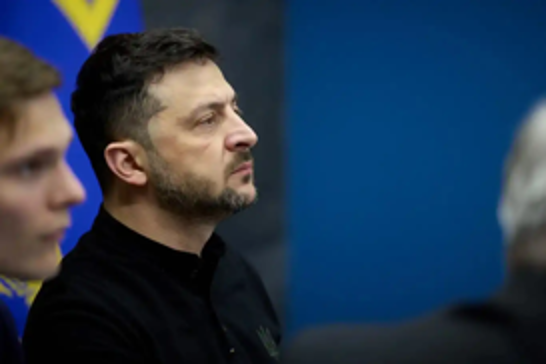
Ukrainian President Volodymyr Zelensky met with U.S. envoys in Berlin on Monday to continue discussions on a potential plan to end the Russia-Ukraine war.
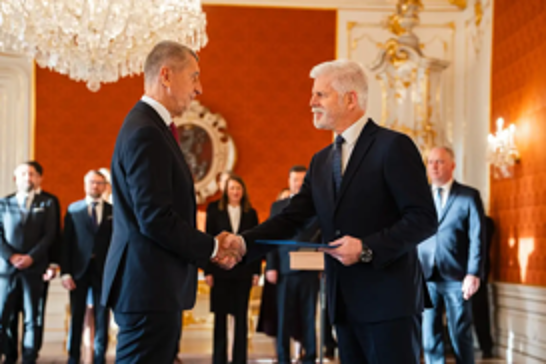
Andrej Babiš was sworn in as the Czech Republic’s new prime minister on Monday following his victory in October’s parliamentary elections, marking a significant political shift that is expected to weaken Prague’s support for Ukraine and strengthen the influence of Europe’s populist right.