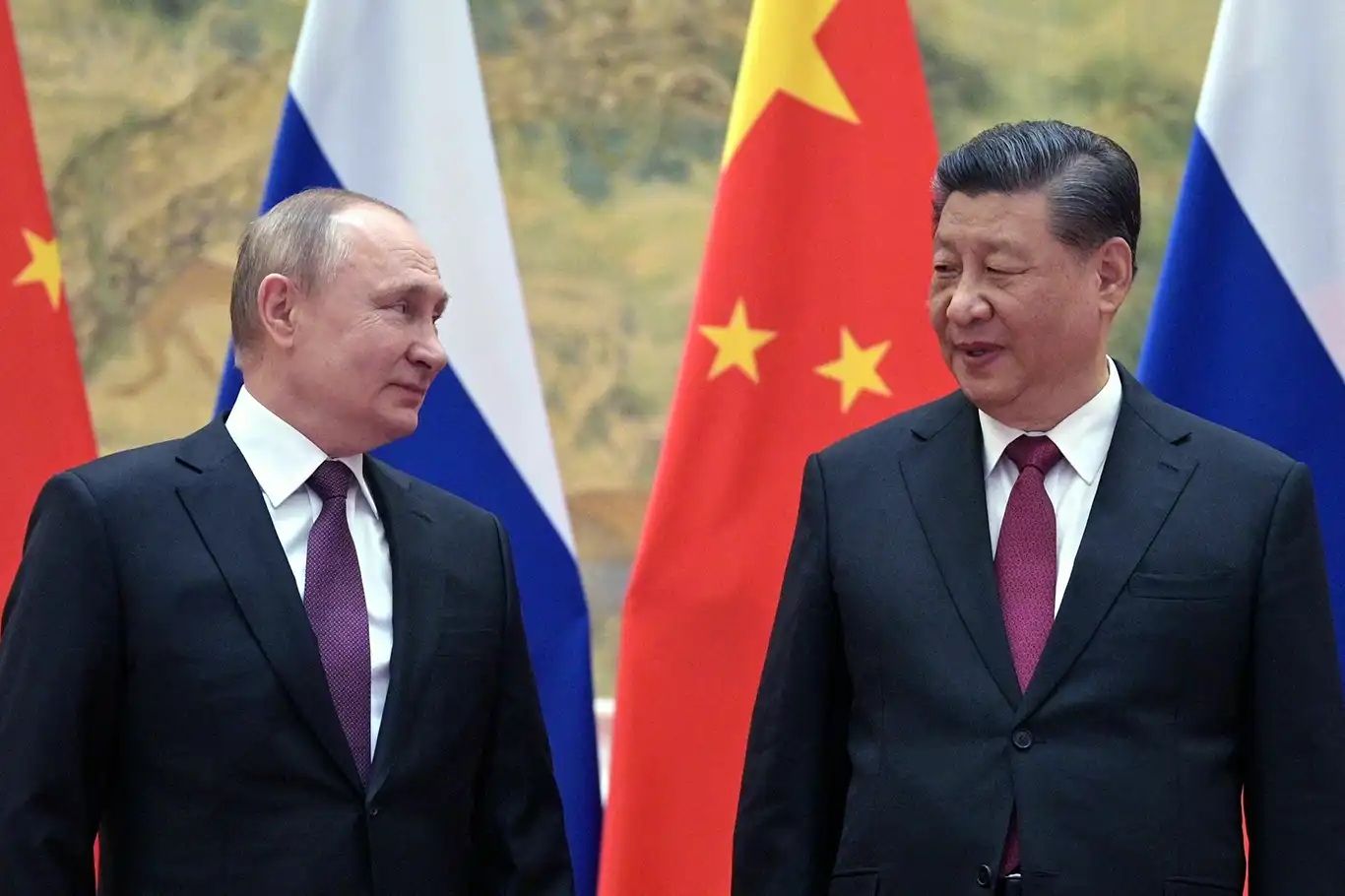
Putin heads to Beijing as energy shifts and Middle East tensions reshape global alliance
 13 oC
13 oC 
Güneşli

President Vladimir Putin’s departure for Beijing on May 19-20 marks a significant moment in Russia’s foreign policy, arriving at a time when global energy security is under strain and great-power alignments are shifting.
The visit, which also celebrates the 25th anniversary of the Russia-China Treaty of Good Neighborliness, Friendship and Cooperation, centers on deepening an already robust partnership driven by energy, logistics, and shared geopolitical interests.
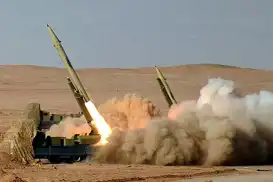
With the Strait of Hormuz largely blocked due to the U.S.-Israeli conflict with Iran, China faces real challenges to its energy imports and maritime trade. This has heightened Beijing’s interest in Russian alternatives: expanded pipeline deliveries via Power of Siberia 2, greater use of the Northern Sea Route, and overland rail and road corridors through Russia.
For Moscow, this represents a timely opportunity to lock in long-term demand for its oil, gas, and other commodities while strengthening a key strategic relationship. Discussions are expected to blend economic planning with political coordination on issues including the Middle East crisis and the Ukraine conflict, where China continues to support a negotiated resolution.
The relationship remains pragmatic rather than overtly militarized, with no indication of a formal alliance in the works. Still, the mutual benefits are clear: Russia gains a reliable buyer and diplomatic partner, while China secures resources and diversifies its supply chains away from vulnerable chokepoints.
The Iran Impasse and Its Global Ripples
Three months into the confrontation with Iran, the United States appears stuck between escalation and stagnation. President Trump continues a strategy of blockade, intimidation, and other pressure tools, yet neither side shows willingness to compromise on core positions. Diplomacy has struggled because both Washington and Tehran appear locked into maximalist stances.
Domestic political considerations in the U.S., particularly ahead of midterm elections, likely constrain options for major new military commitments such as sustained airstrikes or any ground operation. At the same time, the absence of a clear path to victory or acceptable de-escalation keeps tensions simmering. The most tangible global consequence has been the massive disruption in oil flows, which analysts now project will push average Brent crude prices significantly higher in 2026 — potentially well above $100 per barrel if the conflict persists. Even after any reopening of the strait, infrastructure damage and market adjustments are expected to sustain elevated prices for some time.
Nuclear Signaling and European Tensions
Simultaneously, Russia and Belarus have initiated joint military drills that include practice with nuclear weapons. This move serves multiple purposes: it demonstrates tight military integration between the two states, reassures domestic audiences, and sends a deterrent message to both Ukraine and the broader West. It also mirrors and counters NATO’s own nuclear exercises and force posture enhancements near Russian and Belarusian borders.
The drills reinforce the reality of a shared “nuclear umbrella” over the Union State territory and contribute to a broader pattern of escalating military signaling across Europe. While such exercises are framed as defensive and routine, they add to the risk of miscalculation in an already tense security environment.
On the Ukraine front, European countries continue supplying weapons but often with limited transparency on exact volumes and timelines. This opacity helps shield governments from domestic political backlash and attempts to preserve some element of strategic uncertainty. However, its practical effect on the battlefield is likely modest given modern intelligence capabilities.
Strategic Takeaways
Russia sits in a relatively advantageous position in the short term. High oil prices provide a revenue cushion, while closer ties with China offer both economic resilience and diplomatic leverage. The convergence of energy needs, logistical alternatives, and political alignment with Beijing forms a central pillar of Moscow’s approach to navigating Western sanctions and pressures.
Challenges remain, however. Prolonged instability in the Middle East carries unpredictable risks for global markets and could eventually affect demand. The intensifying nuclear rhetoric and drills in Europe risk locking both sides into a more dangerous cycle of military posturing. And the Iran situation continues as a major wildcard capable of reshaping energy geopolitics.
Putin’s Beijing visit reflects a clear strategic priority: building deeper partnerships that enhance long-term resilience amid multiple international flashpoints. How these dynamics evolve over the coming months — particularly the trajectory of the Iran conflict and oil markets — will heavily influence Russia’s room for maneuver on the global stage. (ILKHA)
LEGAL WARNING: All rights of the published news, photos and videos are reserved by İlke Haber Ajansı Basın Yayın San. Trade A.Ş. Under no circumstances can all or part of the news, photos and videos be used without a written contract or subscription.
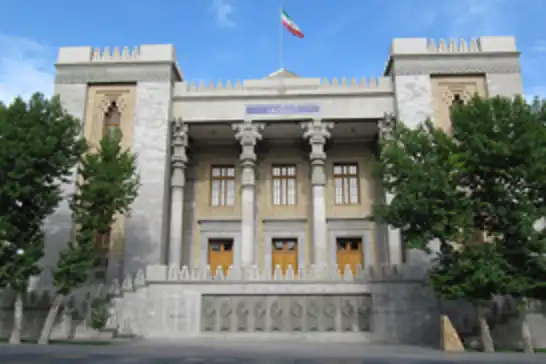
Iran’s Foreign Ministry summoned British Ambassador Hugo Shorter to Tehran on Thursday, strongly protesting what it described as baseless allegations linking the Islamic Republic to an alleged sabotage plot targeting the RAF Fairford military base.

The number of people who have died from West Nile virus in the Netherlands this year has risen to nine, while the total number of confirmed cases has reached 56, according to the National Institute for Public Health and the Environment (RIVM).
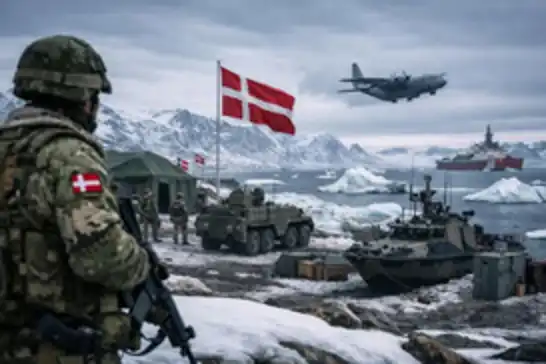
Denmark has launched its largest military exercise since the Cold War, with more than 6,500 volunteer soldiers taking part in a nationwide operation aimed at strengthening preparedness against hybrid threats and sabotage.
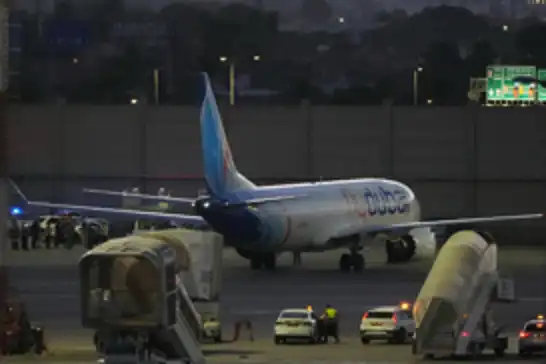
The United Arab Emirates has launched an official investigation into the incident aboard a Flydubai passenger aircraft en route from Dubai to Tel Aviv, with prosecutors examining whether the episode was premeditated or linked to terrorist activity.