Muslim Brotherhood condemns Egypt's terrorist designations as 'criminalization of ideas'
 13 oC

Güneşli

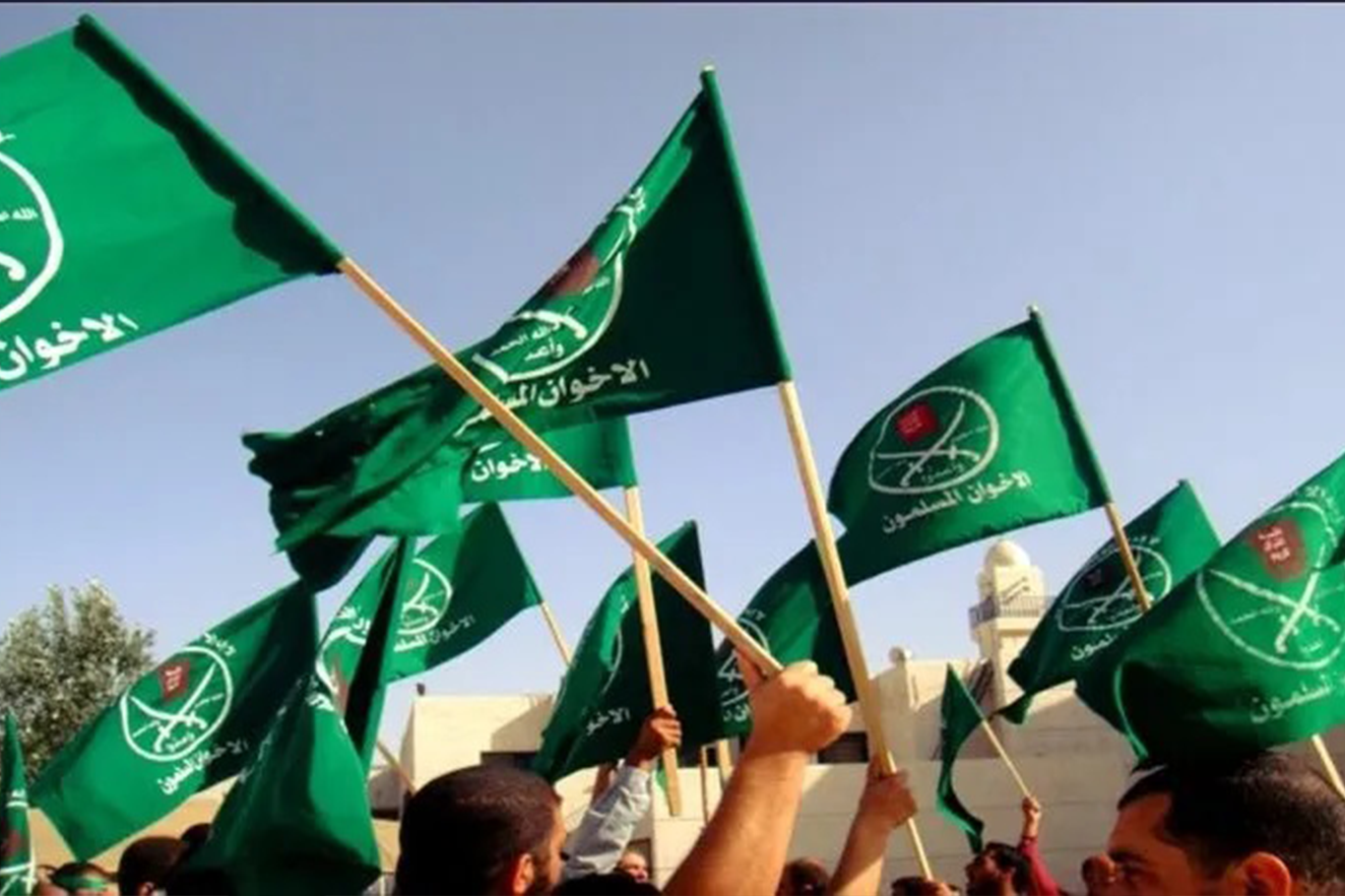
The Muslim Brotherhood has strongly condemned Egypt's decision to permanently designate the group as a terrorist organization, accusing the authorities of using the judiciary to suppress political opposition and target Islamic institutions and scholars at home and abroad.
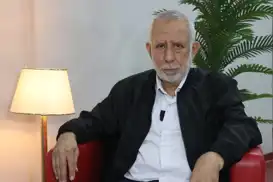
In a statement issued Tuesday, the group's Acting General Guide, Dr. Salah Abdel Haq, described the decision as politically motivated and based on what he called invalid judicial rulings that undermine the principles of justice and fundamental freedoms.
The statement also condemned a separate ruling by the Second Criminal Circuit of the Cairo Criminal Court, which designated 35 Islamic organizations and institutions and 36 individuals as terrorist entities and terrorists for five years.
According to the Muslim Brotherhood, the second decision came just 24 hours after the publication of the final designation against the group itself.
Abdel Haq said the decisions targeted institutions operating openly in more than 25 countries across Europe, including Islamic councils, religious scholars' associations, family and women's organizations, Quranic institutions, student groups, cultural centers and mosque associations.
He stressed that these institutions provide religious, educational and community services to millions of Muslims and operate under legal frameworks and financial oversight in their respective countries.
"The fundamental problem with the two decisions is not merely that they represent another episode in the Muslim Brotherhood's cross-border campaign of repression, but rather the logic underpinning them," the statement said.
The group argued that the decisions effectively criminalize ideological affiliation rather than specific unlawful actions, warning that such an approach threatens religious freedoms and the rights of Muslim communities.
It maintained that no publicly available evidence had established that the designated European institutions had engaged in acts of violence, accusing Egyptian authorities of extending domestic political disputes beyond the country's borders.
The statement also rejected allegations linking the group's ideology to violence and terrorism, describing its approach as an expression of moderate Islam.
Abdel Haq accused Egyptian security agencies of exerting pressure on the judiciary to issue politically motivated rulings, arguing that the decisions undermined the constitutional principle that individuals must be held accountable for their actions rather than their beliefs.
He cited Articles 65, 95 and 96 of Egypt's 2014 Constitution, as well as Articles 18, 19 and 22 of the International Covenant on Civil and Political Rights, which protect freedom of thought, religion, expression and association, and guarantee individual criminal responsibility and the right to a fair trial.
The Muslim Brotherhood also referred to previous decisions by Egypt's Court of Cassation that overturned terrorist designations involving prominent individuals and groups.
It cited the 2018 ruling overturning the designation of footballer Mohamed Aboutrika and 1,537 others, as well as a February 2019 ruling annulling the designation of 296 individuals.
The group said these precedents demonstrated the need for greater judicial scrutiny and individual assessment before placing people or organizations on terrorist lists.
It further warned that extending Egyptian designations to Islamic institutions operating in Europe could fuel Islamophobia, expose Muslim communities to discrimination and undermine the activities of religious and charitable organizations.
The Muslim Brotherhood called for amendments to what it described as politicized counterterrorism legislation, particularly provisions allowing broad and ambiguous designations that fail to establish individual responsibility.
It also urged a comprehensive and transparent review of terrorist lists involving independent judicial bodies and civil society organizations.
The group called on European governments not to rely on Egyptian designations when taking action against Muslim institutions without independent verification and guarantees of due process.
Concluding its statement, Abdel Haq urged Egyptian political and intellectual figures to reject political retaliation and work toward national reconciliation.
"Defending the right of a political opponent to receive justice does not mean siding with that opponent. Rather, it means defending a safeguard that every citizen needs," he said.
He warned that accepting the criminalization of people on the basis of their beliefs today could leave others vulnerable to similar measures in the future. (ILKHA)
LEGAL WARNING: All rights of the published news, photos and videos are reserved by İlke Haber Ajansı Basın Yayın San. Trade A.Ş. Under no circumstances can all or part of the news, photos and videos be used without a written contract or subscription.
Mongolian President Ukhnaagiin Khurelsukh announced Tuesday that he would step down from office amid corruption allegations linking him to a government railway project, saying he was prepared to face an investigation to clear his name.
The Islamic Emirate of Afghanistan has successfully thwarted intelligence operations by agencies from 49 countries and foiled their alleged plots against the country, government spokesman Mawlavi Zabihullah Mujahid has said.
A Palestinian woman was killed and at least 12 other Palestinians, including a child, were injured in a series of attacks by extremist Israeli settlers across the occupied West Bank on Monday evening, amid escalating settler violence against Palestinian civilians.