Orban calls EU plan to seize frozen Russian assets a ‘declaration of war’
 13 oC
13 oC 
Güneşli

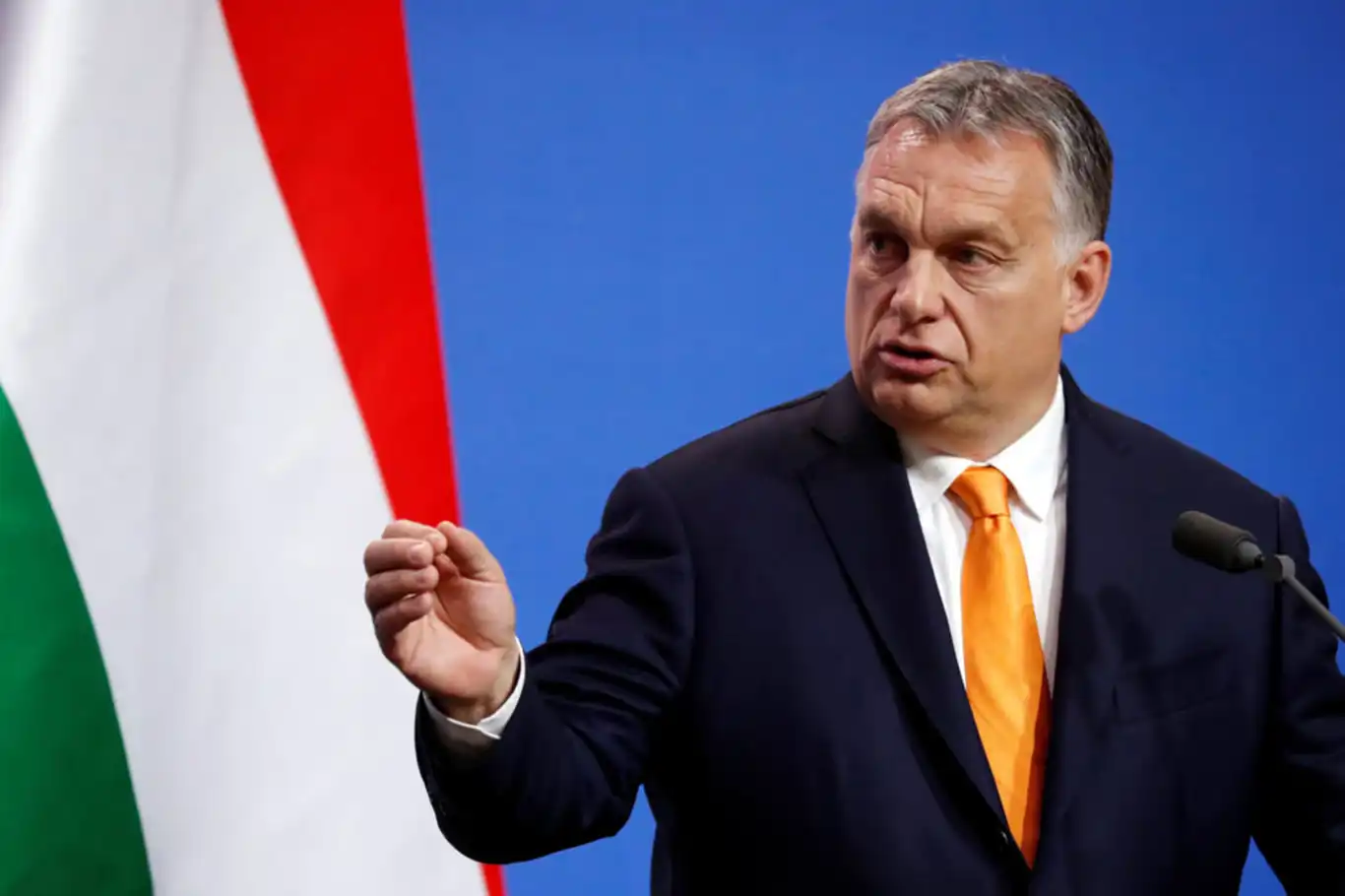
Hungarian Prime Minister Viktor Orban on Saturday strongly criticized the European Union’s plans to seize frozen Russian assets to finance support for Ukraine, describing the move as a “declaration of war.”
Speaking to the Hungarian daily Magyar Nemzet, Orban accused senior European leaders of prioritizing financial engineering over realistic assessments of member states’ ability to fund the war in Ukraine. He singled out German Chancellor Friedrich Merz, European People’s Party leader Manfred Weber, and European Commission President Ursula von der Leyen as driving forces behind the initiative.
According to Orban, EU leaders are seeking to use frozen Russian state assets—estimated at between €200 billion and €300 billion ($235–352 billion)—as collateral for a large-scale loan, rather than relying on direct contributions from member states.
“There is the Russian money, or the possibility of collecting money from the member states, which would serve as the basis for a larger loan,” Orban said. He warned that Hungary would oppose any attempt by Brussels to bypass national objections in accessing the assets.
“I’m going to Brussels to fight, with the fact that they are reaching for Russian assets bypassing Hungary. This is a declaration of war,” Orban said. “I’ve never seen anything like this, where €200–300 billion worth of assets are lost, with no consequences.”
The Hungarian leader stressed that the funds in question were frozen in Belgium at the outbreak of the Ukraine war and are largely held at Euroclear, a Brussels-based financial services company. “The Russians’ money was frozen in Belgium when the war broke out, and they want to touch this now. This is an extremely unusual and dangerous thing,” he added.
Concerns over the plan are not limited to Hungary. Italian Deputy Prime Minister Matteo Salvini also warned against the risks of freezing and repurposing Russian assets, calling the move “risky and imprudent” in comments reported by ANSA news agency.
Salvini noted that 314 Italian companies continue to operate in Russia, generating revenue and employment. “The Italian government did well to make things clear, because, after all, we are in a free market, we are not at war with Russia,” he said. “It seems to me that Brussels is playing with fire.”
Several EU member states, including Belgium, have raised legal concerns over the proposal, warning that seizing the assets could set a dangerous precedent under international law. Russia’s central bank has already condemned the plan as illegal and said Moscow reserves the right to take any measures necessary to protect its interests.
On Friday, the EU formally moved to “indefinitely immobilize” Russian state assets, a step seen as paving the way for their potential use in financing aid to Ukraine. EU leaders are expected to discuss the allocation of the funds during a Brussels summit scheduled for December 18–19. (ILKHA)
LEGAL WARNING: All rights of the published news, photos and videos are reserved by İlke Haber Ajansı Basın Yayın San. Trade A.Ş. Under no circumstances can all or part of the news, photos and videos be used without a written contract or subscription.
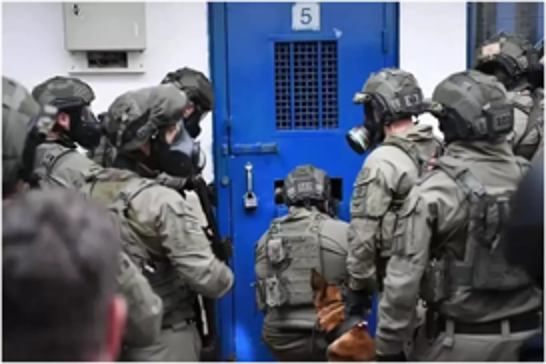
The Commission of Detainees and Ex-Detainees Affairs and the Palestinian Prisoner Society announced on Sunday the martyrdom of Palestinian prisoner Sakhr Ahmad Khalil Zaoul, 26, from the town of Husan in the Bethlehem Governorate, while he was held in Israeli occupation prisons.
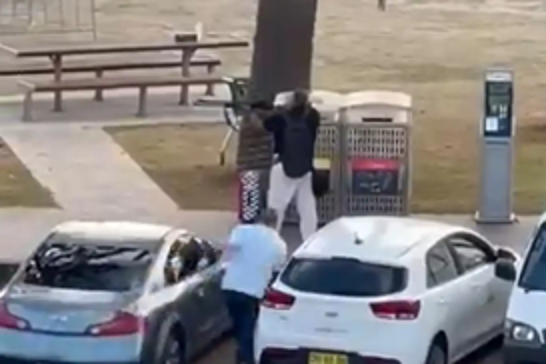
At least 12 people were killed and 11 others wounded, including two police officers, in a mass shooting at Bondi Beach in Sydney on Saturday evening, Australian authorities said.
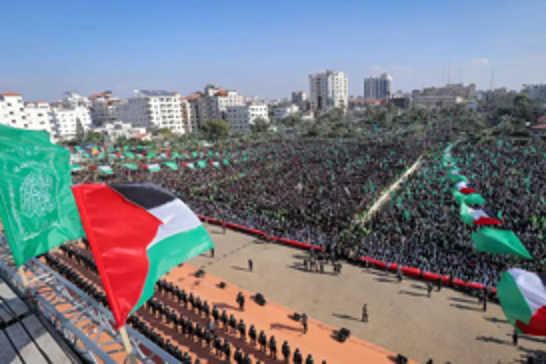
The Palestinian Resistance Movement Hamas said on Sunday that it has fully adhered to the terms of the ceasefire agreement, while accusing Israel of persistently violating the deal and using what it described as weak and fabricated pretexts to evade its obligations.
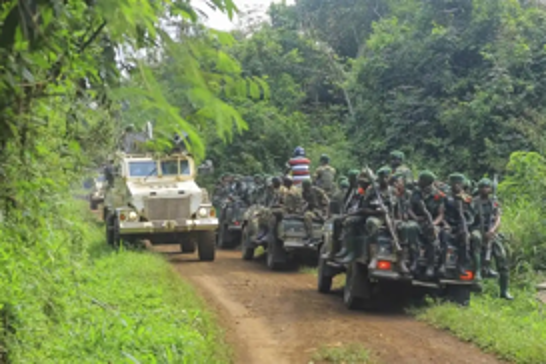
UNICEF has sounded the alarm over a rapid escalation of violence in South Kivu province in eastern Democratic Republic of the Congo (DRC), warning that intensifying hostilities have forced hundreds of thousands of civilians—most of them women and children—to flee their homes in search of safety.