38 years on: The First Intifada and the unbroken spirit of Palestinian resistance
 13 oC
13 oC 
Güneşli

Today marks the 38th anniversary of the outbreak of the First Intifada, a watershed moment of mass popular uprising that reshaped the Palestinian struggle against military occupation.
The "Stone Uprising", as it became known, was a profound assertion of collective will, sparked not by political decree but by decades of oppression, land confiscation, and the "all-pervading element of humiliation" that defined daily life under occupation.
A Spark Ignited in Jabalia
The uprising began in the Jabalia refugee camp in the Gaza Strip on 8 December 1987, after an Israeli settler deliberately rammed a truck into a vehicle carrying Palestinian workers at the Erez checkpoint, killing Taleb Abu Zaid (46), Issam Hamouda (29), Shabaan Nabhan (26), and Ali Ismail (25). For Palestinians already living under military occupation, daily humiliation, curfews, land seizures, and economic strangulation, this massacre became the final spark that ignited years of accumulated anger.
The following day, 9 December 1987, mass protests erupted as thousands of refugees poured into the streets of Jabalia. Israeli forces responded with live ammunition, beatings, and mass arrests. During these first confrontations, Hatem al-Sisi was killed, becoming the first martyr of the Intifada.
From Refugee Camps to Every Street
Within days, the uprising spread to the Balata refugee camp in Nablus, and then across every major city, village, and refugee camp in the West Bank and Gaza Strip. It was a people’s uprising, not led initially by political elites, but driven by ordinary Palestinians: workers, students, women, children, shopkeepers, and religious leaders.
In the early days alone, young martyrs such as Ibrahim al-Aklik (17), Suheila al-Kaabi (19), and Ali Musa’id (12) were killed, symbolizing the heavy price paid by an unarmed population facing one of the most heavily militarized occupation forces in the world.
A Revolution of Daily Life
What distinguished the First Intifada from earlier phases of struggle was its organized civil resistance, as Palestinians did not only confront soldiers but also built alternative systems of life under siege. Through general strikes, entire cities were brought to a standstill, while tax revolts directly challenged occupation-imposed economic control. Commercial boycotts were launched to reduce dependence on Israeli products, and when formal education was banned, underground schools were quietly established to keep learning alive. At the same time, popular grassroots committees emerged to provide food, medical care, and local governance, creating a self-sustaining social structure that strengthened community resilience under harsh conditions.
Women emerged as central organizers of the uprising, running supply networks, medical relief groups, and political education circles, while youth formed street committees that coordinated protests and evaded military patrols.
The Human Cost of Resistance
The price was devastating. According to the Palestinian Commission for Prisoners and Martyrs Affairs, around 1,550 Palestinians were killed during the seven-year Intifada.
The Palestinian Prisoners’ Society documented between 100,000 and 200,000 arrests, during which detainees were subjected to severe beatings, deliberate sleep deprivation, painful stress positions, and psychological torture, as well as administrative detention without charge or trial, practices that left lasting physical and psychological scars on thousands of Palestinian prisoners.
The Palestinian Ministry of Health reported over 70,000 injuries, with nearly 40% resulting in permanent disabilities, including spinal injuries, brain damage, paralysis, and amputations.
At least 40 prisoners died in Israeli jails due to torture and medical neglect, according to international solidarity organizations.
A Turning Point in Global Consciousness
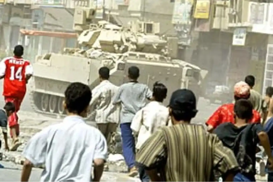
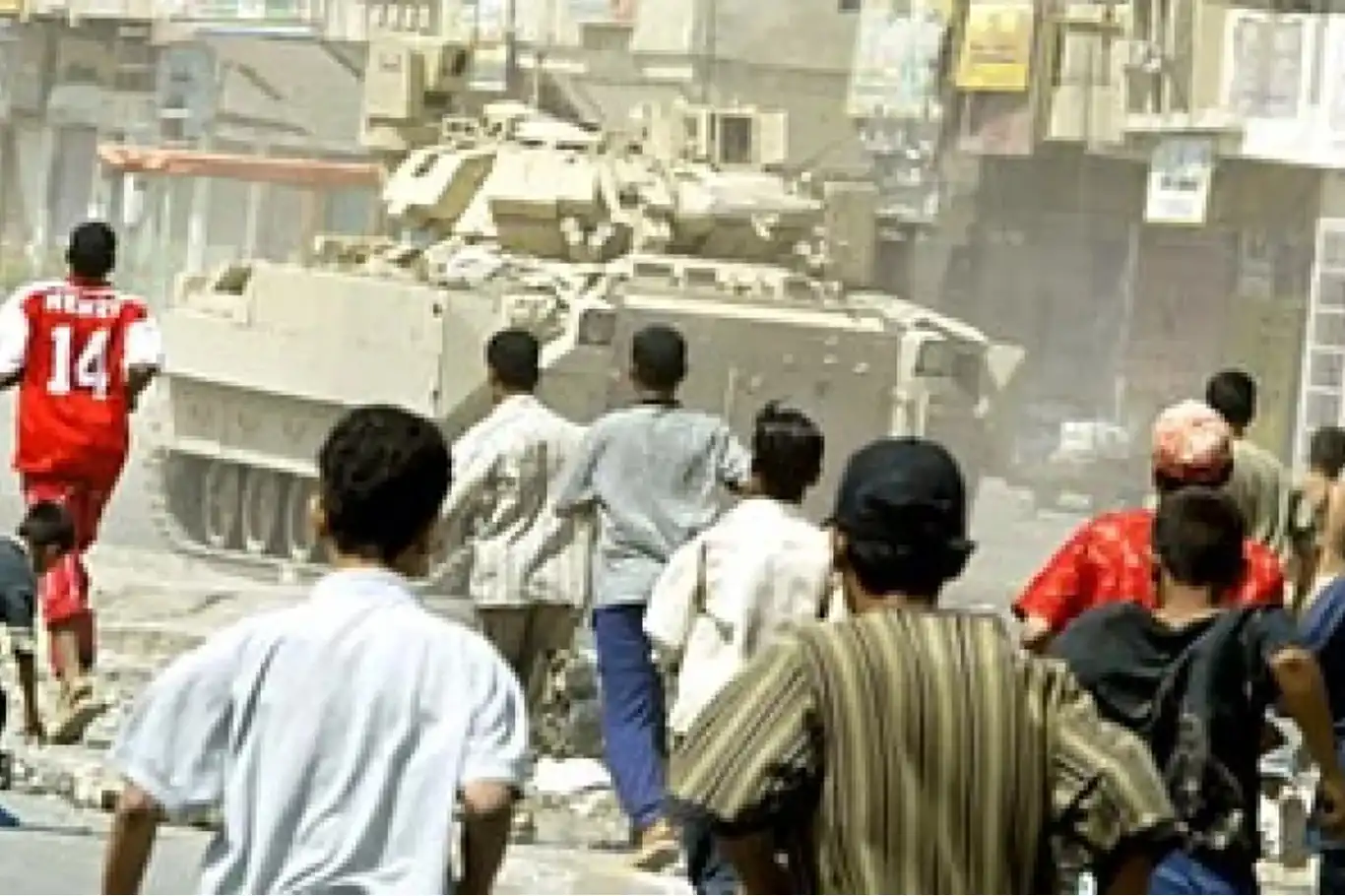
The First Intifada shattered the myth of a “peaceful” occupation before global audiences. Images of heavily armed Israeli soldiers confronting Palestinian children armed only with stones became iconic, transforming Palestine from a “forgotten conflict” into a central human rights issue worldwide.
The uprising forced diplomatic shifts, eventually leading to the Madrid Peace Conference (1991) and later the Oslo Accords (1993). While the agreements were marketed internationally as a path to peace, many Palestinians later viewed them as a mechanism that institutionalized occupation rather than ending it.
The Legacy That Lives On
Today, 38 years later, Palestinians say the spirit of the First Intifada lives on in every act of steadfastness (sumud), every protest against settlements, every refusal to abandon homeland, and every child who learns the story of the stones of Jabalia.
Across Gaza, the West Bank, Jerusalem, and refugee camps in Lebanon, Jordan, and beyond, Palestinians commemorated the anniversary of the First Intifada through a series of poignant events. Commemorations included solemn candlelight vigils honoring the martyrs, educational seminars exploring the uprising's history and legacy, and moving exhibitions of Intifada photographs that captured the spirit of popular resistance. Communities also gathered for cultural expressions of remembrance through plays and poetry nights, while delegations paid their respects with visits to the families of those who lost their lives during the uprising.
Participants carried banners reading: “The Intifada is not history – it is a living memory” and “From the stone to the soul, resistance continues.”
A Message to the World
Palestinian leaders, activists, and families of martyrs used the anniversary to renew their call for international accountability, an end to occupation, the right of return for refugees, and the establishment of a state with Jerusalem as its capital.
As one veteran of the uprising said during a memorial in Gaza: “They thought stones were weak. But stones awakened a nation.”
The First Intifada remains not only a historical event, but a symbol of popular power, unity, and an unbreakable will to be free. (ILKHA)
LEGAL WARNING: All rights of the published news, photos and videos are reserved by İlke Haber Ajansı Basın Yayın San. Trade A.Ş. Under no circumstances can all or part of the news, photos and videos be used without a written contract or subscription.
Thailand has launched airstrikes along its disputed border with Cambodia following deadly cross-border clashes that killed one Thai soldier and at least four Cambodian civilians, marking one of the most serious escalations since the two sides agreed to a ceasefire earlier this year.
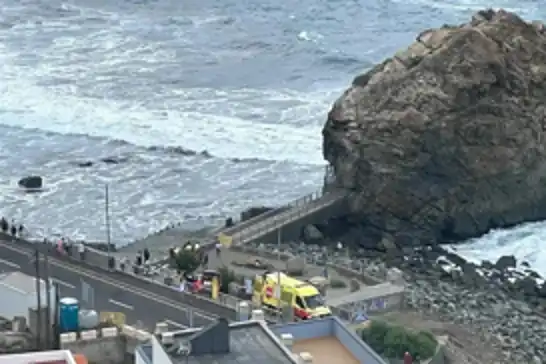
A powerful rogue wave struck the natural pools of Los Gigantes in Tenerife, dragging several people into the sea and leaving three dead and at least three others injured.
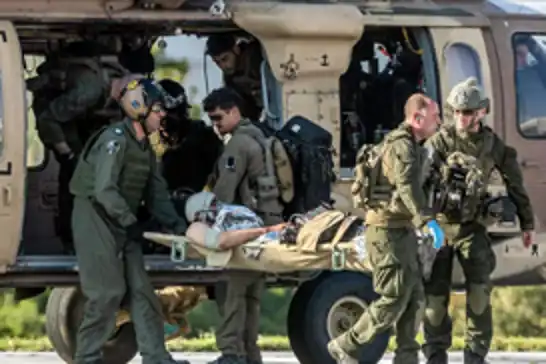
Over half of the injured soldiers suffer severe psychological trauma as manpower shortage surpasses 12,000; data reveals growing cracks inside the Israeli occupation army.