Muslim population projected to reach 3.6 billion by 2070, surpassing Christians as world's largest religious group
 13 oC

Güneşli

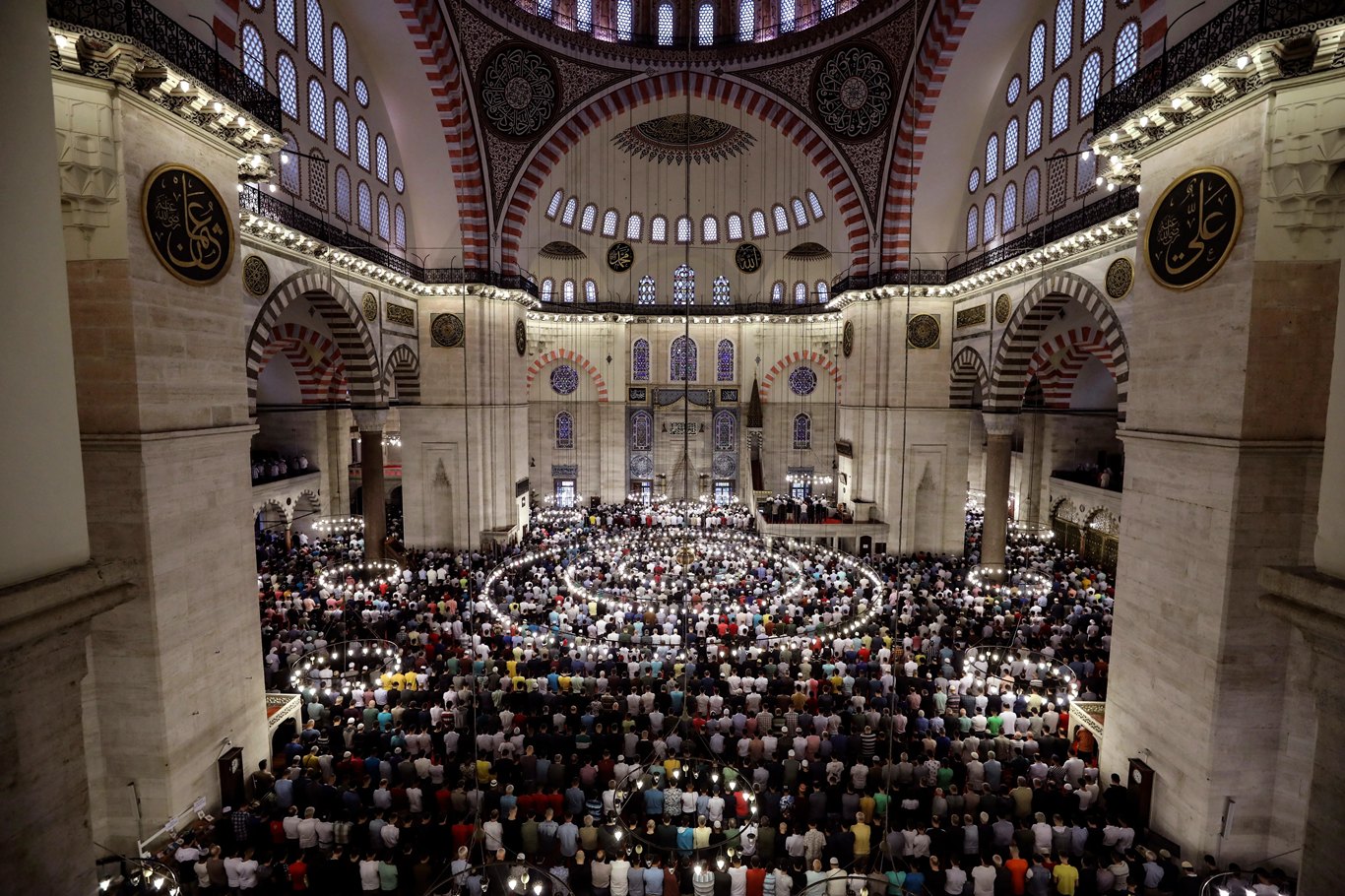
The global Muslim population is projected to grow by 80 percent over the next five decades, reaching approximately 3.6 billion by 2070 and potentially becoming the world's largest religious group, according to demographic projections by the Pew Research Center.
The projections indicate that Muslims will account for 36 percent of the world's population by 2070, up from their current share, while the global non-Muslim population is expected to grow by just 11 percent between 2020 and 2070.
If current demographic trends continue, Muslims are expected to surpass Christians in population by 2035, marking a significant shift in the global religious landscape.
The continued growth of the Muslim population is largely attributed to its relatively young age structure and higher fertility rates. Around six in 10 Muslims worldwide were under the age of 30 in 2020, compared with fewer than half of non-Muslims.
Muslim women also have a higher average fertility rate, with an estimated 3.1 children per woman globally, compared with 2.0 among non-Muslims.
Africa to account for growing share of Muslim population
Sub-Saharan Africa is expected to experience some of the most significant growth in the Muslim population over the coming decades.
The number of Muslims in the region is projected to more than double, rising from 369 million in 2020 to approximately 980 million by 2070.
As a result, sub-Saharan Africa is expected to account for 27 percent of the world's Muslim population by 2070, up from 18 percent in 2020.
Meanwhile, the Asia-Pacific region, which is currently home to around 59 percent of the world's Muslims, is projected to account for approximately half of the global Muslim population by 2070.
The Middle East and North Africa currently host around 20 percent of the world's Muslims, while Europe accounts for approximately 2 percent, a share expected to remain largely unchanged.
Pakistan projected to overtake Indonesia
The projections also point to significant changes in the countries with the largest Muslim populations.
Pakistan is expected to overtake Indonesia as the country with the world's largest Muslim population by 2070, with approximately 461 million Muslims, representing 13 percent of the global total.
India is projected to rank second with 334 million Muslims, while Nigeria is expected to become the third-largest Muslim-populated country.
Bangladesh, Ethiopia and Afghanistan are also expected to remain among the countries with the largest Muslim populations.
In 2020, Indonesia had the world's largest Muslim population, with 239 million, followed by Pakistan with 227 million, India with 213 million, Bangladesh with 151 million and Nigeria with 120 million.
Muslim population to grow across Europe and North America
Muslims are projected to increase as a share of the population in nearly every major region of the world.
In Europe, the Muslim share of the population is expected to more than double, rising from 6 percent in 2020 to 13 percent by 2070.
Sweden and France are projected to record some of the largest increases, with the Muslim share of their populations expected to rise by 11 percentage points each.
North America is forecast to experience the fastest proportional growth in its Muslim population. The number of Muslims in the region is expected to more than triple, increasing from approximately 6 million in 2020 to 20 million by 2070.
In the United States alone, the Muslim population is projected to increase by around 9 million, although Muslims are expected to account for approximately 4 percent of the country's total population by 2070.
Migration is expected to play a significant role in this growth, particularly in Europe and North America.
54 countries and territories projected to have Muslim majorities
The number of countries and territories with Muslim-majority populations is expected to increase from 53 in 2020 to 54 by 2070.
All 53 countries and territories that already had Muslim majorities in 2020 are projected to retain that status, while Ivory Coast is expected to become a Muslim-majority country over the same period.
Muslims are projected to account for at least 90 percent of the population in 35 of these countries and territories.
Pakistan, Nigeria, Indonesia, Bangladesh, Egypt, Sudan and Türkiye are expected to be among the seven Muslim-majority countries with populations exceeding 100 million by 2070.
Youthful population and higher fertility driving growth
The Pew Research Center attributes the projected expansion primarily to natural population growth, with births expected to substantially outnumber deaths among Muslims.
Muslims have one of the youngest age profiles among the world's major religious groups. Their global median age is relatively low, while Muslims in sub-Saharan Africa have an especially young median age of just 17.
The region also has the highest Muslim fertility rate, at approximately 5.1 children per woman.
Religious retention is another important factor. According to the study, approximately 99 percent of people raised Muslim continue to identify with Islam in adulthood, a rate significantly higher than that recorded among Christians and Buddhists.
Although religious switching has a limited impact on the overall global Muslim population, migration is expected to influence its distribution across different regions.
More than 112 million Muslims are projected to move between regions between 2020 and 2070.
Europe is expected to record the largest net increase through migration, gaining approximately 25 million Muslims, while the Asia-Pacific region is projected to experience a net decline of around 27 million.
The Pew Research Center's projections are based on demographic trends observed in recent years, including fertility rates, age structures, mortality, migration and religious switching. The figures represent projections rather than guaranteed future outcomes and assume that current trends will continue over the coming decades. (ILKHA)
LEGAL WARNING: All rights of the published news, photos and videos are reserved by İlke Haber Ajansı Basın Yayın San. Trade A.Ş. Under no circumstances can all or part of the news, photos and videos be used without a written contract or subscription.
Armenian Prime Minister Nikol Pashinyan has said guarantees are in place for the signing and ratification of a peace agreement with Azerbaijan following the adoption of a new Armenian constitution, pledging to stake his entire political capital on securing lasting peace between the two countries.
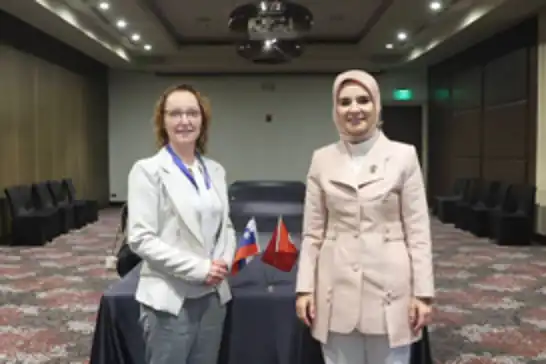
Turkish Family and Social Services Minister Mahinur Özdemir Göktaş met with her Slovenian counterpart, Mateja Ribič, in Manila, the capital of the Philippines, on Wednesday to discuss demographic growth, family support policies and economic participation.

The Islamic Resistance Movement Hamas said the advance of occupation forces' military vehicles west of the "Yellow Line" and the evacuation orders issued to residents of the Nuseirat refugee camp constitute a serious violation of the ceasefire agreement.