Israeli regime advances new plan targeting Palestinian and Islamic presence around Al-Aqsa
 13 oC
13 oC 
Güneşli

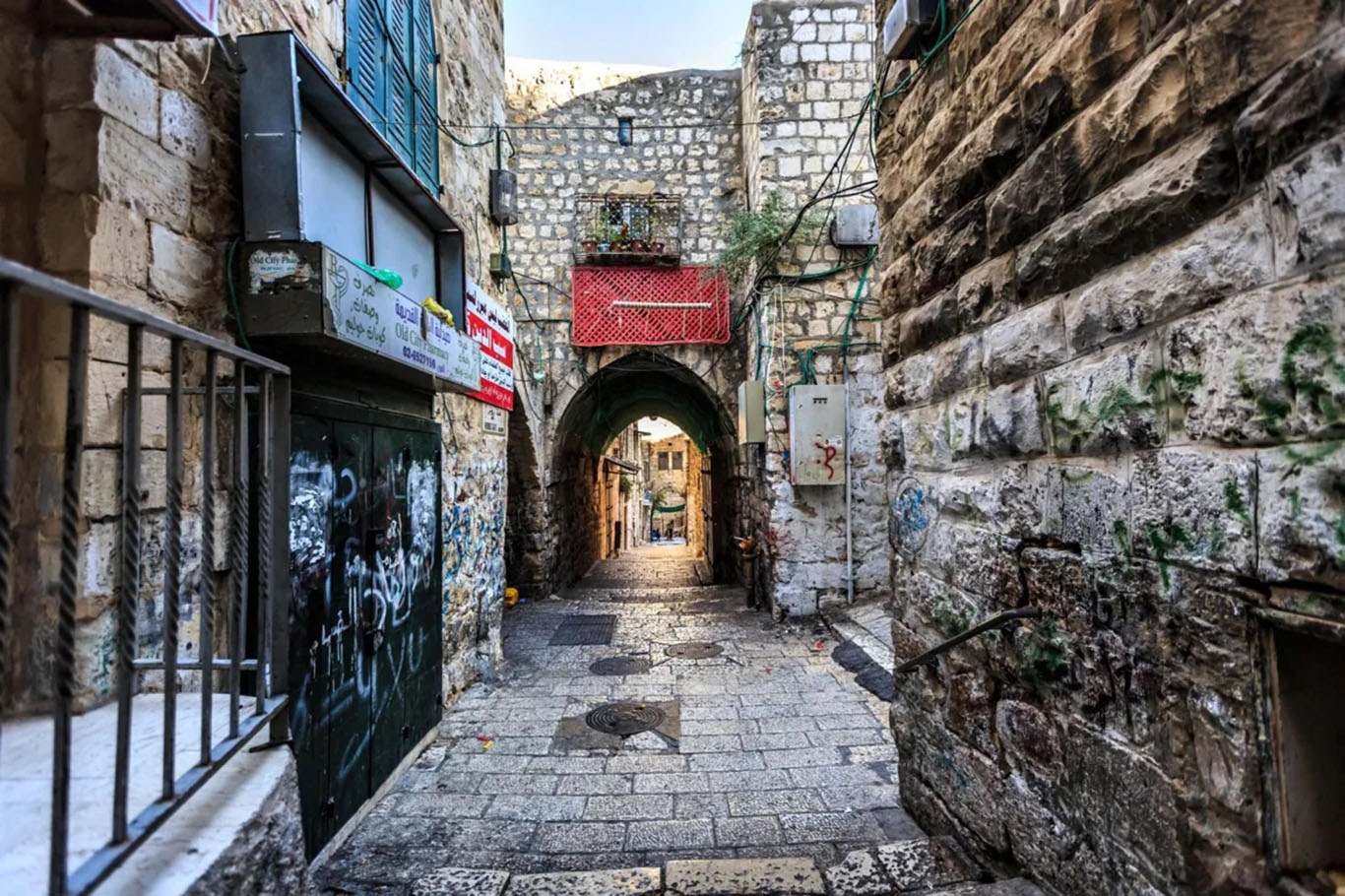
The Israeli regime has approved a new plan allowing the seizure of Palestinian homes and businesses along Bab al-Silsila Road in Jerusalem’s Old City, in a move Palestinian officials warn is aimed at erasing the Palestinian and Islamic presence surrounding Al-Aqsa Mosque and expanding Jewish settler control in the area.
According to statements issued by the Jerusalem Governorate, the decision specifically targets Palestinian-owned properties adjacent to the holy site and represents “a new phase of colonial escalation” in occupied Jerusalem. Palestinian officials said the measure is intended to deepen occupation control over historic properties and accelerate the forced displacement of Palestinian residents from the Old City.
Israeli media reports indicated that occupation authorities seek to incorporate a street in the Bab al-Silsila neighborhood into the expanding so-called “Jewish Quarter,” which has steadily grown since the occupation of East Jerusalem in 1967.
Bab al-Silsila, one of the most historically significant routes leading to Al-Aqsa Mosque, remains among the last active centers of Palestinian commercial and social life inside the Old City. Palestinian merchants in the area warned that forced evacuations would be “catastrophic,” saying the expansion of settler zones would dramatically alter the demographic and cultural character of the neighborhood.
The Jerusalem Governorate stressed that the issue goes beyond a property dispute, describing it as part of a broader political and religious campaign targeting the Palestinian and Islamic identity of the area surrounding Al-Aqsa Mosque.
Researchers and legal experts noted that occupation authorities rely on legal mechanisms dating back to 1968, when approximately 116 dunams of land in the Old City were confiscated under the pretext of “public interest.” Historical records show that what was once a five-dunam Jewish Quarter has since expanded to nearly 130 dunams, with thousands of settlers moved into the area over the decades.
If implemented, the latest decision could place between 15 and 20 historic Palestinian properties around Bab al-Silsila under direct occupation control. The targeted structures reportedly include Ayyubid, Mamluk and Ottoman-era buildings, Islamic schools, waqf properties and centuries-old shops.
Among the threatened landmarks is the Mamluk-era Tashtamuriyya Madrasa, regarded by historians as one of the important Islamic heritage sites in the Old City. Researchers said several of the targeted buildings had historically been endowed for the service of Dome of the Rock and Al-Aqsa Mosque.
Palestinians in Jerusalem say Bab al-Silsila is not merely a collection of stone buildings but a living symbol of the city’s religious, cultural and social memory. They warn that implementation of the plan would intensify settler pressure in the area, further restrict Palestinian access to Al-Aqsa Mosque and consolidate occupation control over one of Islam’s holiest sites.
The move comes amid growing international concern over repeated incursions, settlement expansion and measures targeting Palestinian residents in occupied East Jerusalem, which Palestinians view as the capital of a future independent state.(ILKHA)
LEGAL WARNING: All rights of the published news, photos and videos are reserved by İlke Haber Ajansı Basın Yayın San. Trade A.Ş. Under no circumstances can all or part of the news, photos and videos be used without a written contract or subscription.

Nearly 1,000 people have been arrested across France during Saturday’s demonstrations over rising living costs and deteriorating education standards, Interior Minister Laurent Nunez said, warning that the figure was expected to increase.

At least 12 people were killed and more than 20 others injured when a passenger coach collided head-on with a minibus in Pakistan’s southwestern Balochistan province on Friday, police said.
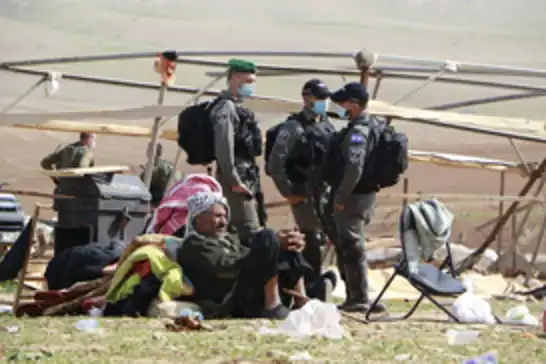
Israeli occupation forces began evacuating Palestinians from the al-Jalda area of Al-Khalil early Saturday as the military launched a multi-day operation involving mass deployments, movement restrictions, arrests and demolitions across the occupied West Bank.

A powerful earthquake struck waters off Vanuatu in the South Pacific on Saturday, prompting a tsunami warning for nearby coastal areas before the alert was lifted, according to seismic monitoring agencies.