Hamas marks second anniversary of Yahya Sinwar’s martyrdom
 13 oC
13 oC 
Güneşli

The Hamas Movement on Friday marked the second anniversary of the martyrdom of its former political bureau chief, Yahya Sinwar, remembering him as a Palestinian resistance leader whose life was shaped by displacement, years in Israeli prisons and decades of struggle against the Israeli occupation.
Sinwar was killed during a confrontation with Israeli forces in the Tel al-Sultan neighbourhood of Rafah, southern Gaza, on October 16, 2024, after months of being among Israel’s most sought-after targets during its war on the besieged enclave.
In a statement marking the anniversary, Hamas said Sinwar had opened a new phase in the confrontation with the Israeli occupation, with consequences that continue to shape Palestinian politics and the wider region.
The Movement said Sinwar remained on the battlefield until his final moments, presenting his death as a reflection of his determination to continue the struggle. For his supporters, his life embodied the experience of a Palestinian generation raised amid displacement, military occupation, imprisonment and the continuing struggle for national liberation.
From a refugee camp to the leadership of Hamas
Born in 1962 in Khan Yunis refugee camp in the southern Gaza Strip, Sinwar grew up in a family whose history was marked by the displacement of Palestinians during the 1948 Nakba. The mass displacement and dispossession of Palestinians during the establishment of Israel left a profound mark on generations of refugees, including those raised in Gaza’s crowded camps.
Sinwar studied Arabic at the Islamic University of Gaza, where he became involved in student and political activities. He subsequently emerged as a prominent figure in Hamas, the Palestinian movement founded in 1987 during the First Intifada, an uprising against Israeli occupation.
During the movement’s early years, Sinwar helped establish its internal security apparatus, known as al-Majd. Israeli authorities arrested him in 1988 and sentenced him to four life terms in prison over his role in activities that included the killing of Israeli soldiers and Palestinians accused of collaborating with Israel.
He spent approximately 23 years in Israeli prisons, a period that became central to his political biography and helped establish his reputation within Hamas as a committed and influential figure.
Prison, release and rise to leadership
Sinwar was released in 2011 as part of the prisoner exchange agreement known as the Wafa al-Ahrar deal, under which Israel freed more than 1,000 Palestinian prisoners in exchange for Israeli soldier Gilad Shalit, who had been held in Gaza.
His release brought him back into the heart of Palestinian political life. Rather than withdrawing from public affairs after his long imprisonment, he rose through Hamas’s leadership ranks, drawing on his organisational experience and close connections within the movement.
In 2017, Sinwar became Hamas’s leader in Gaza. During his tenure, he emerged as one of the movement’s most influential decision-makers, playing a central role in its political and strategic direction amid repeated confrontations with Israel and the continuing blockade of Gaza.
In August 2024, following the assassination of Hamas political bureau chief Ismail Haniyeh in Tehran, Sinwar assumed the movement’s top political position. His appointment placed him at the centre of Hamas’s leadership during one of the most devastating periods in Gaza’s modern history.
Al-Aqsa Flood and the war on Gaza
Sinwar’s name became closely associated with the October 7, 2023, attack on Israel, which Hamas called Operation Al-Aqsa Flood. The attack killed civilians and members of the Israeli security forces and involved the taking of hostages. Israel subsequently launched a devastating military campaign in Gaza, causing mass civilian casualties, widespread displacement and extensive destruction.
Hamas presented the October 7 operation as part of its broader confrontation with Israel and its stated struggle against occupation, the blockade of Gaza and restrictions affecting Palestinians. Israel, meanwhile, identified Sinwar as a principal figure behind the attack and made his capture or killing a central objective of its military campaign.
The war transformed Sinwar into one of the most prominent and controversial figures in the Palestinian-Israeli conflict. To his supporters, he represented defiance in the face of overwhelming military power; to Israel, he was a leading architect of the October 7 attack.
Killed in Rafah after months of pursuit
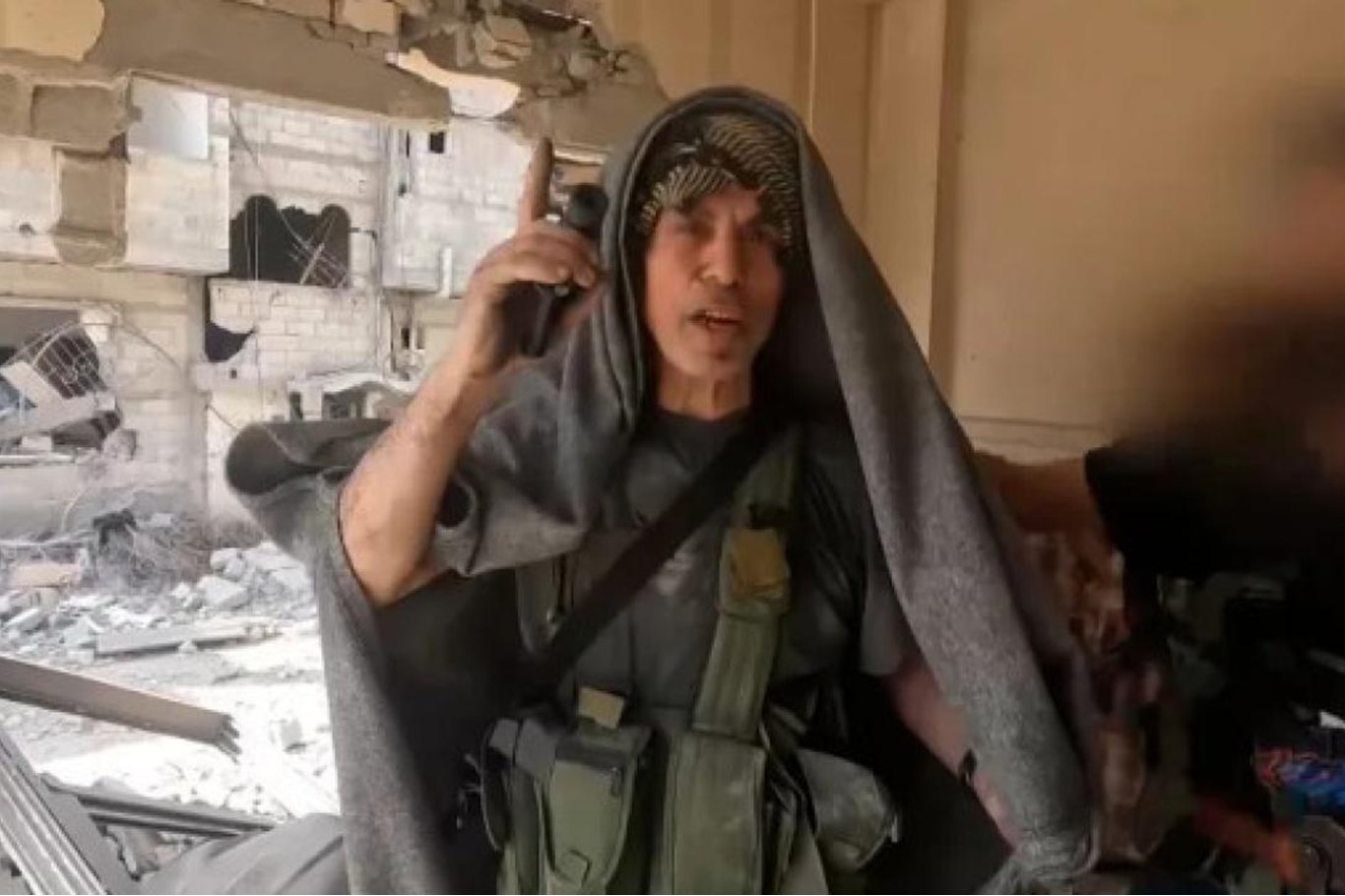
On October 16, 2024, Sinwar was killed during an encounter with Israeli forces in Rafah. Images released by the Israeli military showed him at the site of the confrontation wearing military clothing, with weapons and ammunition nearby.
His death came after months of Israeli operations aimed at locating him. On October 18, Hamas officially confirmed his martyrdom, with senior official Khalil al-Hayya declaring that the movement would continue its political and military activities.
Sinwar’s death did not end the war or resolve the central questions confronting Palestinians, including the future of Gaza, the fate of Palestinian prisoners, the humanitarian crisis and the broader struggle for self-determination.
A legacy tied to Palestine’s continuing struggle
Two years after his death, Sinwar remains a significant figure in the history of Hamas and the wider Palestinian struggle. His journey from a refugee camp to the movement’s highest leadership position reflects the political trajectory of a generation shaped by the Nakba’s legacy, Israeli military occupation, imprisonment and repeated cycles of conflict.
For Hamas and many of its supporters, Sinwar is remembered as a martyr who refused to abandon the struggle even when faced with the prospect of death. His life and death have become part of the movement’s narrative of sacrifice, resistance and steadfastness.
His legacy, however, remains inseparable from the consequences of the October 7 attack and the devastating war that followed. As Palestinians continue to face displacement, destruction and uncertainty over their future, Sinwar’s anniversary serves as a reminder of the unresolved conflict and the enduring demand among Palestinians for freedom, dignity and self-determination. (ILKHA)
LEGAL WARNING: All rights of the published news, photos and videos are reserved by İlke Haber Ajansı Basın Yayın San. Trade A.Ş. Under no circumstances can all or part of the news, photos and videos be used without a written contract or subscription.

Chinese Foreign Minister Wang Yi has urged Israel to immediately halt settlement expansion in the occupied West Bank and reverse its expansionist policies, describing the Palestinian cause as “the greatest historical injustice of this century.”

Eleven roller coasters at amusement parks in the United States and Canada have been temporarily closed for safety inspections after a passenger died after falling from a ride at Six Flags Over Georgia amusement park.
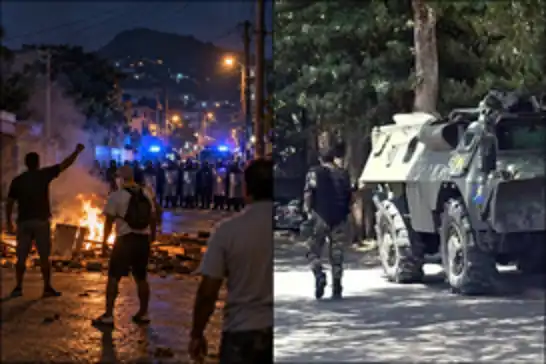
Mauritius has extended a curfew for two more nights following protests over water shortages and the rising cost of living, after a woman was shot and injured by police during demonstrations. Security measures have been increased across the country.