Denmark bars prosecutors from wearing headscarves in court
 13 oC

Güneşli

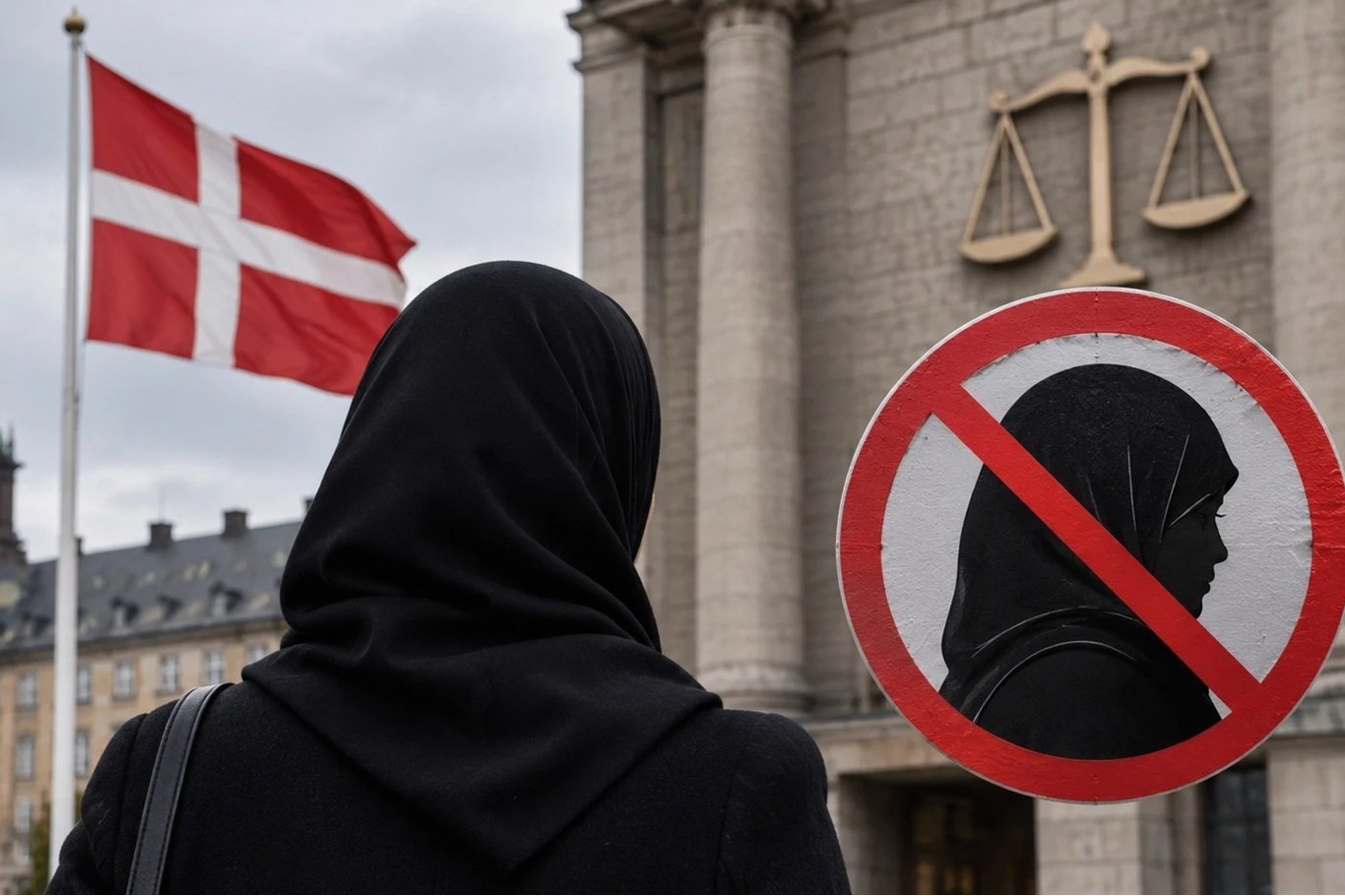
The Danish government has issued new guidelines prohibiting prosecutors from wearing religious headscarves during court proceedings, extending neutrality rules that have long applied to judges and drawing criticism from Muslim organizations and rights advocates.
The decision comes amid ongoing political debate in Denmark over proposals to expand restrictions on the wearing of Islamic headscarves in schools and universities.
Justice Minister Nicolai Wammen said prosecutors, like professional judges, must appear religiously and politically neutral while performing their duties in court.
"We are now introducing rules requiring prosecutors, like professional judges, to appear religiously and politically neutral during court proceedings," Wammen said.
He added that the new rules also cover religious headscarves, meaning prosecutors will no longer be permitted to wear them while appearing in court.
The justice minister did not specify what disciplinary measures prosecutors could face if they refuse to comply with the new guidelines.
Debate over religious symbols continues
The announcement comes as Denmark continues to debate broader restrictions on Islamic dress in public institutions.
Earlier this month, Prime Minister Mette Frederiksen backed proposals put forward by right-wing and far-right parties to ban headscarves in primary and lower secondary schools, although no such nationwide ban has been adopted.
Human rights advocates have long argued that restrictions on Islamic dress infringe upon women's freedom of religion and personal choice by dictating what they may wear. The latest decision has also drawn criticism from Islamic organizations in Denmark.
Part of a broader tightening of restrictions
Denmark has gradually tightened restrictions on religious symbols in public institutions over the past two decades.
In 2009, legislation prohibited judges from wearing visible religious or political symbols while presiding over court proceedings. A nationwide ban on face-covering veils, including the burqa and niqab, later entered into force in 2018, with fines imposed on violators.
In 2022, a government commission recommended banning headscarves in primary schools. The proposal was later suspended amid concerns that it could violate constitutional rights and discriminate against Muslim girls, although political debate over the issue has continued.
In recent years, a number of European countries have also introduced legal restrictions targeting Islamic dress in public spaces or state institutions, including France, Belgium, the Netherlands, Austria and Switzerland.
The latest measure marks a further expansion of Denmark's restrictions on religious symbols in public institutions by extending neutrality requirements beyond judges to include prosecutors.(ILKHA)
LEGAL WARNING: All rights of the published news, photos and videos are reserved by İlke Haber Ajansı Basın Yayın San. Trade A.Ş. Under no circumstances can all or part of the news, photos and videos be used without a written contract or subscription.
United Nations High Commissioner for Human Rights Volker Türk has urged countries worldwide to take immediate action to prevent further Israeli crimes against Palestinians, warning that the continued attacks and policies of the Israeli occupation regime pose an increasingly serious threat to Palestinian lives and their existence as a people.

At least 30 people were killed and 15 others injured after a tanker truck carrying petroleum products overturned and caught fire on a major highway in Egypt's Giza governorate on Wednesday, triggering a massive blaze that engulfed nearby vehicles.
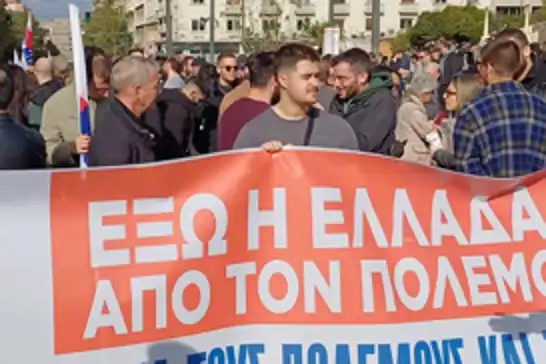
Around 15,000 people gathered in central Athens as part of a nationwide 24-hour strike to protest rising living costs, demand higher wages, and call for the restoration of the 13th and 14th monthly salaries and pension bonuses, according to local media.