Canada pushes back against Pentagon over NATO defense spending
 13 oC

Güneşli

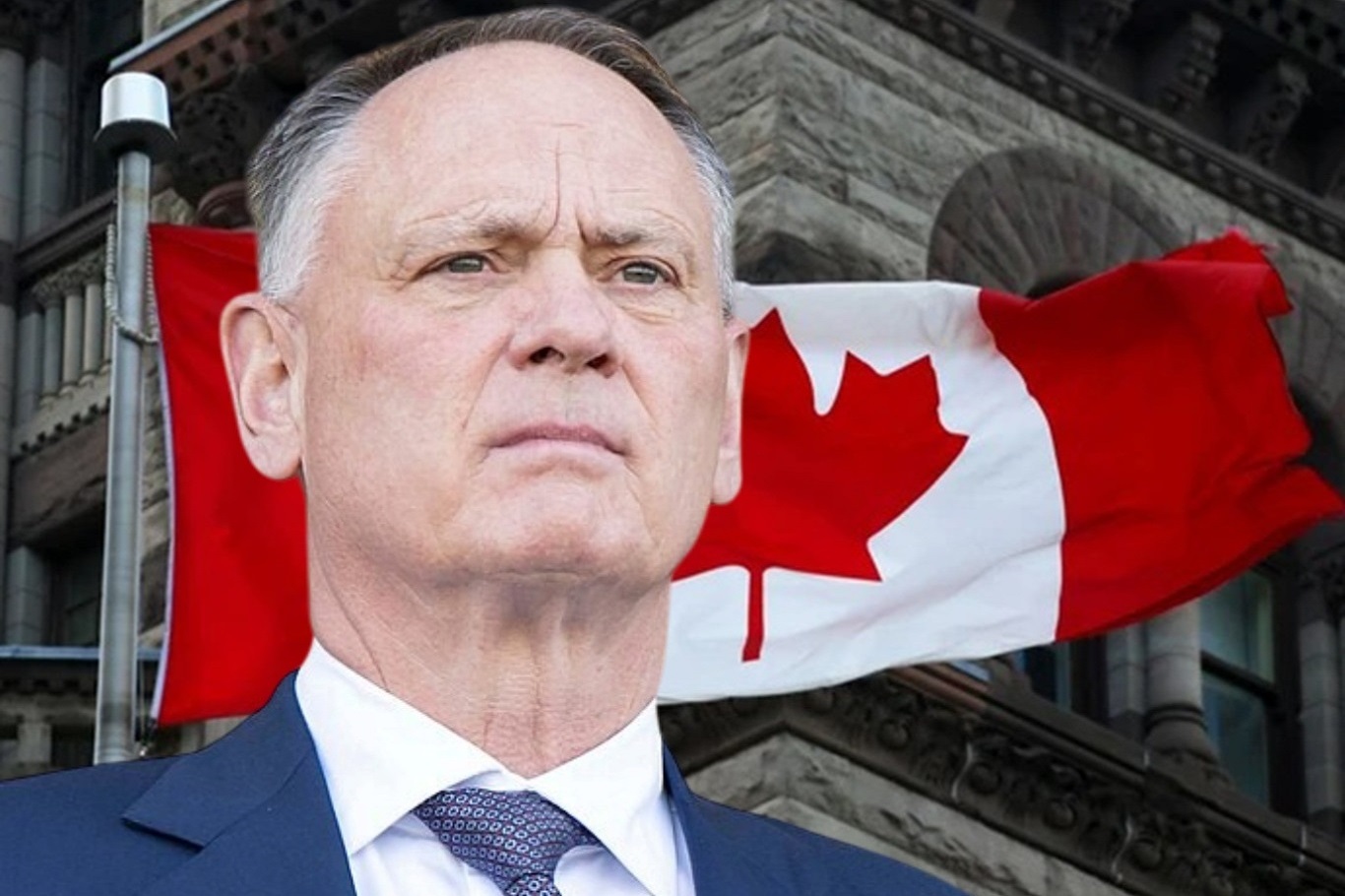
Canadian Defense Minister David McGuinty has reaffirmed Canada's sovereignty, saying Ottawa answers to no one in Washington, after the Pentagon criticized the country for failing to adequately strengthen its defense capabilities and meet NATO spending commitments.
"Canada is a sovereign nation. I'll be very direct. We don't report to the United States," McGuinty told reporters on Tuesday, responding to criticism from the US Defense Department over Canada's defense spending plans.
The Pentagon said Monday that Canada lacked a credible plan to meet NATO's defense spending targets, accusing Ottawa of relying for decades on American taxpayers to shoulder much of its defense burden.
The criticism comes amid increasingly strained relations between the two neighboring countries over US President Donald Trump's trade policies, tariffs and repeated threats suggesting Canada could become the 51st state.
McGuinty insisted that Canada was making substantial progress toward increasing defense spending, saying the country remained committed to reaching 5% of gross domestic product (GDP) on defense and related security investments by 2035.
He said Canada's spending plans would bring defense and security expenditures to 4% of GDP by 2030, describing the increase as a "significant, significant step" from the 1.25% of GDP recorded 14 months ago.
McGuinty also pointed to NATO's agreement to review the 5% spending commitment in 2029, saying allies had agreed to reassess the target in light of evolving security threats and military requirements.
Under the NATO agreement reached in 2025, member states are expected to allocate at least 3.5% of GDP to core defense spending and up to an additional 1.5% to broader security-related investments by 2035.
The Pentagon, however, accused Canada of delaying major spending increases until after the 2029 federal election, arguing that the country's defense shortcomings remained a serious concern.
"Canada's defense shortfalls speak for themselves. Canada must get serious and focused," the Pentagon said in a fact sheet released Monday.
The US Defense Department also said Defense Secretary Pete Hegseth was focused on modernizing Canada's military capabilities, amid concerns over Ottawa's defense commitments and its planned procurement decisions.
The criticism coincided with restrictions imposed by the Trump administration on Pentagon officials' participation in Canadian think tank events and social engagements, including the Halifax International Security Forum.
The annual forum, which brings together military officials, lawmakers, diplomats and academics, was held without official Pentagon participation under the restrictions. The move drew criticism from US Democratic Senator Andy Kim, who attended the gathering.
"Hegseth did not allow a single American servicemember in uniform to show up," Kim wrote in a social media post.
Republican Senator Mike Rounds said the directive was not expected to affect joint military operations or intelligence-sharing arrangements between the two countries.
Canada has already met NATO's previous 2% defense spending target. Its latest budget projects combined defense and security spending to reach 4.1% of GDP by 2027-28, including 2.6% allocated to core defense. However, Canada's parliamentary budget watchdog has raised questions about how the government intends to achieve the 5% target.
McGuinty said cooperation with Washington through the North American Aerospace Defense Command (NORAD) and Canada's commitments to NATO remained unchanged, stressing that Ottawa was continuing to implement its announced defense investment plans.
"We're making the investments we announced. We're executing on those plans," he said.
The Pentagon also expressed concern over Canada's review of its planned purchase of 88 US-made F-35 fighter jets, warning that a mixed fleet could complicate military operations, exacerbate personnel shortages and create uncertainty for NORAD.
Canadian Prime Minister Mark Carney ordered a review of the fighter jet procurement amid growing tensions with Trump over tariffs and Canada's sovereignty. Ottawa has also explored the possibility of acquiring Swedish-made Gripen fighter jets, a move that could potentially bring manufacturing and industrial benefits to Canada. (ILKHA)
LEGAL WARNING: All rights of the published news, photos and videos are reserved by İlke Haber Ajansı Basın Yayın San. Trade A.Ş. Under no circumstances can all or part of the news, photos and videos be used without a written contract or subscription.

Japanese Prime Minister Sanae Takaichi has pledged to strengthen Japan's financial support for the International Criminal Court (ICC) following US sanctions against the international tribunal.

Afghanistan's Minister of Rural Rehabilitation and Development, Mullah Abdul Latif Mansoor, has called on the United Nations to prioritize communities facing the greatest hardships when implementing humanitarian and development projects across the country.
Turkish Parliament Speaker Numan Kurtulmuş has highlighted the role of the Turkish community in Australia in challenging anti-Muslim and anti-immigrant prejudice, saying that Turkish citizens have a responsibility to promote their cultural and human values while contributing positively to the societies in which they live.