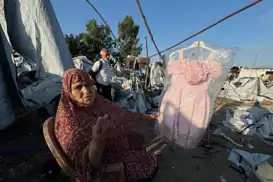
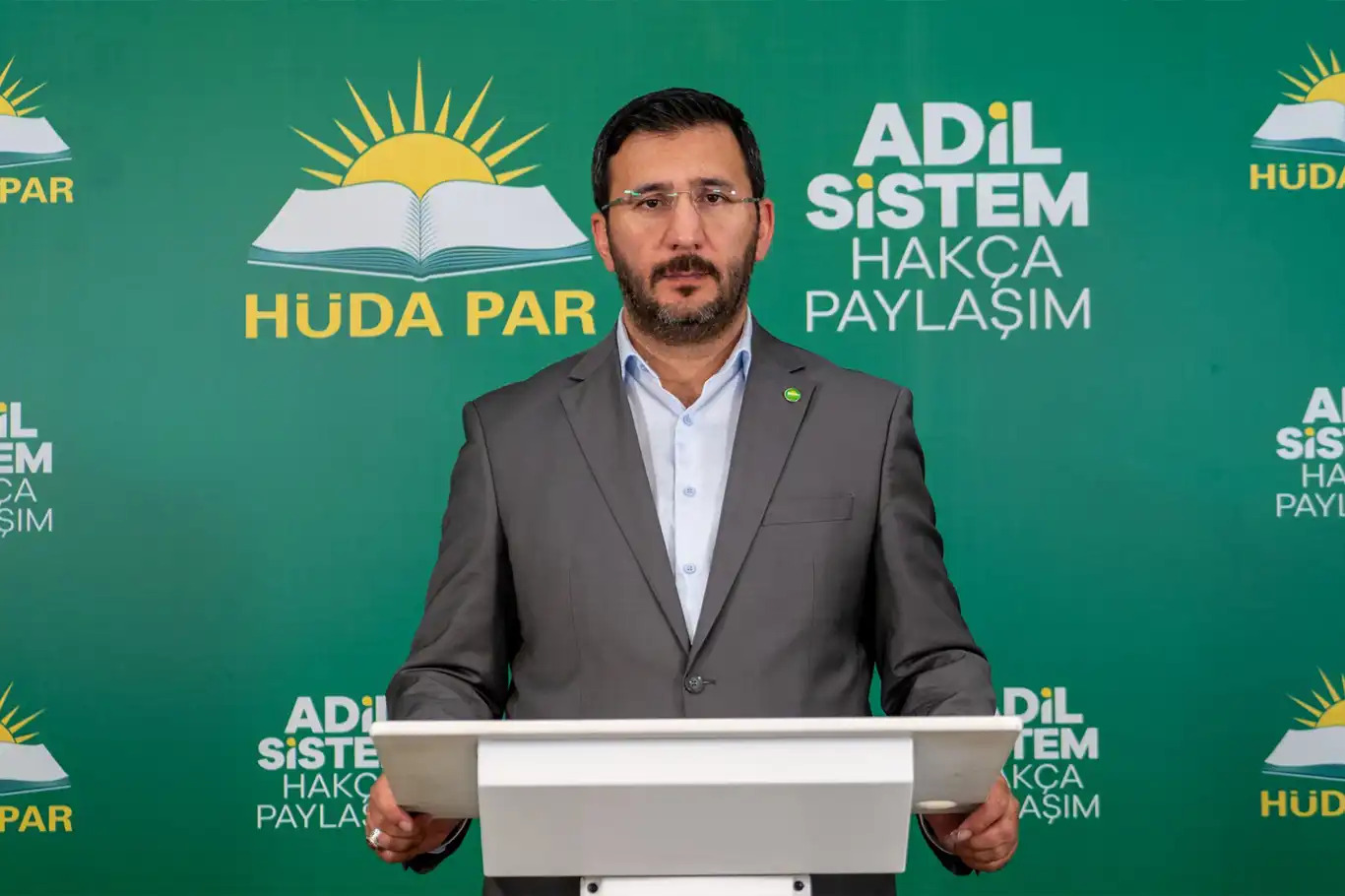
HÜDA PAR urges Muslim countries to protect Palestine Convoy against Israeli threats
 13 oC
13 oC 
Güneşli

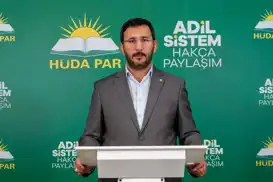
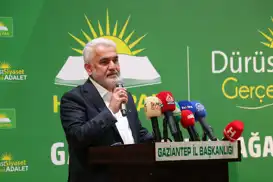
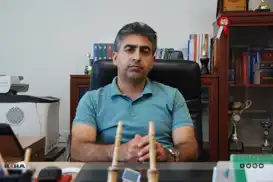
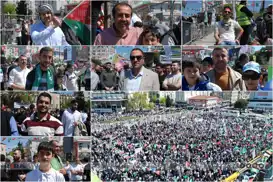
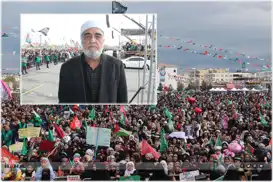
HÜDA PAR Foreign Relations President Hüseyin İmir has issued a strong call for Türkiye and other regional countries to place the Palestine Convoy under official protection, ensuring the humanitarian mission safely reaches its destination amid the ongoing Israeli genocide in Gaza.
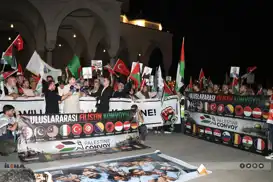
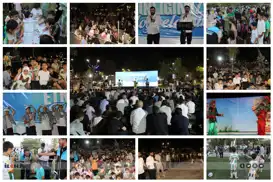
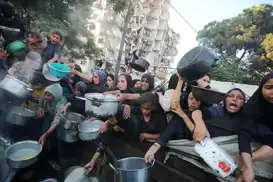
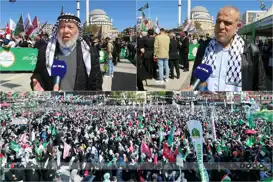
The convoy, which departed from Srebrenica in Bosnia and Herzegovina in solidarity with the oppressed Palestinian people, has arrived in Türkiye with the aim of raising global awareness about the systematic destruction and mass killing of Muslims in Gaza. İmir stressed that the Zionist regime’s policies of occupation, devastation, and genocide—already turning Gaza into ruins—are now being extended to the West Bank, revealing the true expansionist nature of the occupation.
Recalling previous unlawful Zionist attacks on the Sumud Flotilla, İmir warned of the risk of similar aggression against this new convoy of conscientious people from around the world. “We hope that the convoy, which has reached Türkiye, will safely arrive at its destination,” he said, urging authorities to facilitate its passage and related programs. He insisted that regional countries must publicly declare they will respond resolutely and on the ground to any Zionist attack or intervention targeting the humanitarian effort. Türkiye, he emphasized, must take a leading role through both diplomatic initiatives and concrete steps to mobilize Muslim nations in defense of the convoy.
Turning to other pressing issues facing the Muslim world, İmir condemned the escalating systematic pressure, harassment, and violence by Hindu gangs against Muslims in Nepal. He highlighted reports of attacks on mosques, homes, and workplaces, restrictions on religious freedoms, and growing insecurity among the Muslim population. Calling the Nepalese government’s indifference unacceptable, İmir demanded urgent deterrent measures, punishment of perpetrators, and full protection of Muslim lives and property. He also urged the international community and human rights organizations to act against these violations of basic Islamic rights and human dignity.
On Yemen, İmir strongly criticized Saudi Arabia’s years-long severe blockade that has blocked food, medicine, and essential humanitarian aid, plunging the Yemeni people into a major disaster. While noting Ansarullah’s reciprocal “blockade against blockade” decision, he identified the original Saudi-imposed siege as the root of the crisis. He rejected attempts by some countries to align with US imperialism and form new coalitions against Yemen, describing such moves as contributions to American dirty plans that fuel regional unrest. İmir advised Türkiye to avoid joining any US-backed naval coalition and instead preserve its traditional balanced mediation role, prioritizing diplomacy that brings parties to the table rather than military blocs.
He further called on Türkiye, in line with its historical responsibility, to press Saudi Arabia and its allies to end the blockade, open humanitarian corridors, and pursue dialogue. Drawing on Türkiye’s successful engagement with conflicting sides in Libya, İmir urged similar efforts in Yemen to build common ground for a just solution based on lifting blockades and respecting legitimate concerns—achievable through constructive Turkish mediation rather than security-focused coalitions.
Regarding Iraq, İmir recalled the destruction caused by prolonged US occupation and stated that continued American military presence and covert influence remain a primary obstacle to the country’s stability. Pointing to recent US-linked attacks against Iran, he identified Washington’s interventions as the main source of chaos and insecurity across the region. True peace for the peoples of the region, he stressed, depends on solidarity among Muslim states rather than external tutelage. (ILKHA)
İmir welcomed the cooperation agreements between Türkiye and Iraq as positive steps for regional stability and development. He called for expanded economic, political, and military cooperation that could evolve into a broader alliance encompassing all regional countries—necessary to safeguard security and economic independence against imperialist centers.
Finally, addressing the International Criminal Court, İmir described the dismissal of Chief Prosecutor Karim Khan—who led efforts to seek an arrest warrant for Benjamin Netanyahu of the Zionist terrorist regime—as a black stain on the court’s 24-year history and clear evidence of political tutelage. He pointed to Zionist threats against the ICC and the pressure campaign by US Secretary of State Marco Rubio aimed at undermining the court’s legitimacy as proof of the dirty power centers behind the decision. This retreat under Zionist and American pressure, he said, confirms the bankruptcy of international institutions already discredited by their failure during the Gaza genocide.
İmir concluded by calling on principled statesmen and free individuals in international institutions to immediately resist global tutelage over international law. Restoring the independence of justice mechanisms and public faith in fairness, he declared, is the collective responsibility of all states committed to justice for the oppressed. (ILKHA)
LEGAL WARNING: All rights of the published news, photos and videos are reserved by İlke Haber Ajansı Basın Yayın San. Trade A.Ş. Under no circumstances can all or part of the news, photos and videos be used without a written contract or subscription.
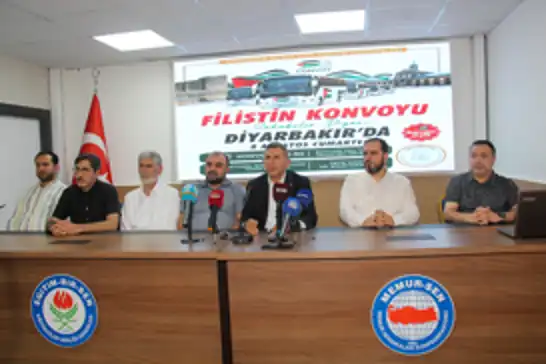
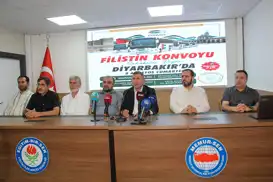
Islamic civil society organizations held a joint press conference on Tuesday to mobilize local support for the Palestine Convoy, which is scheduled to arrive in the city on Saturday, August 8.
Türkiye has launched a comprehensive academic mobilization ahead of the 31st United Nations Climate Change Conference (COP31), inviting universities and research institutions from around the world to contribute scientific research, innovative technologies and policy solutions to support global climate action.
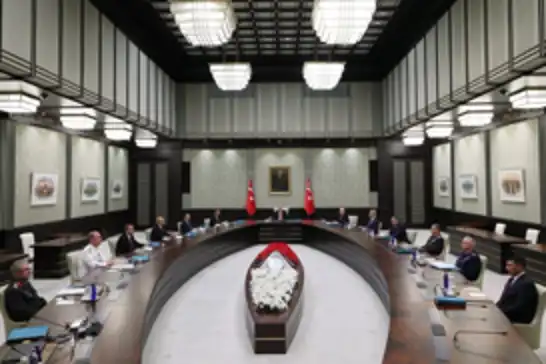
Türkiye's Supreme Military Council (YAŞ) convened on Tuesday at the Presidential Complex in Ankara under the chairmanship of President Recep Tayyip Erdoğan, with senior government officials and top military commanders gathering to assess key personnel matters affecting the Turkish Armed Forces (TSK).