Measles killed an estimated 72,000 people worldwide in 2025, mostly children under 5: WHO
 13 oC

Güneşli

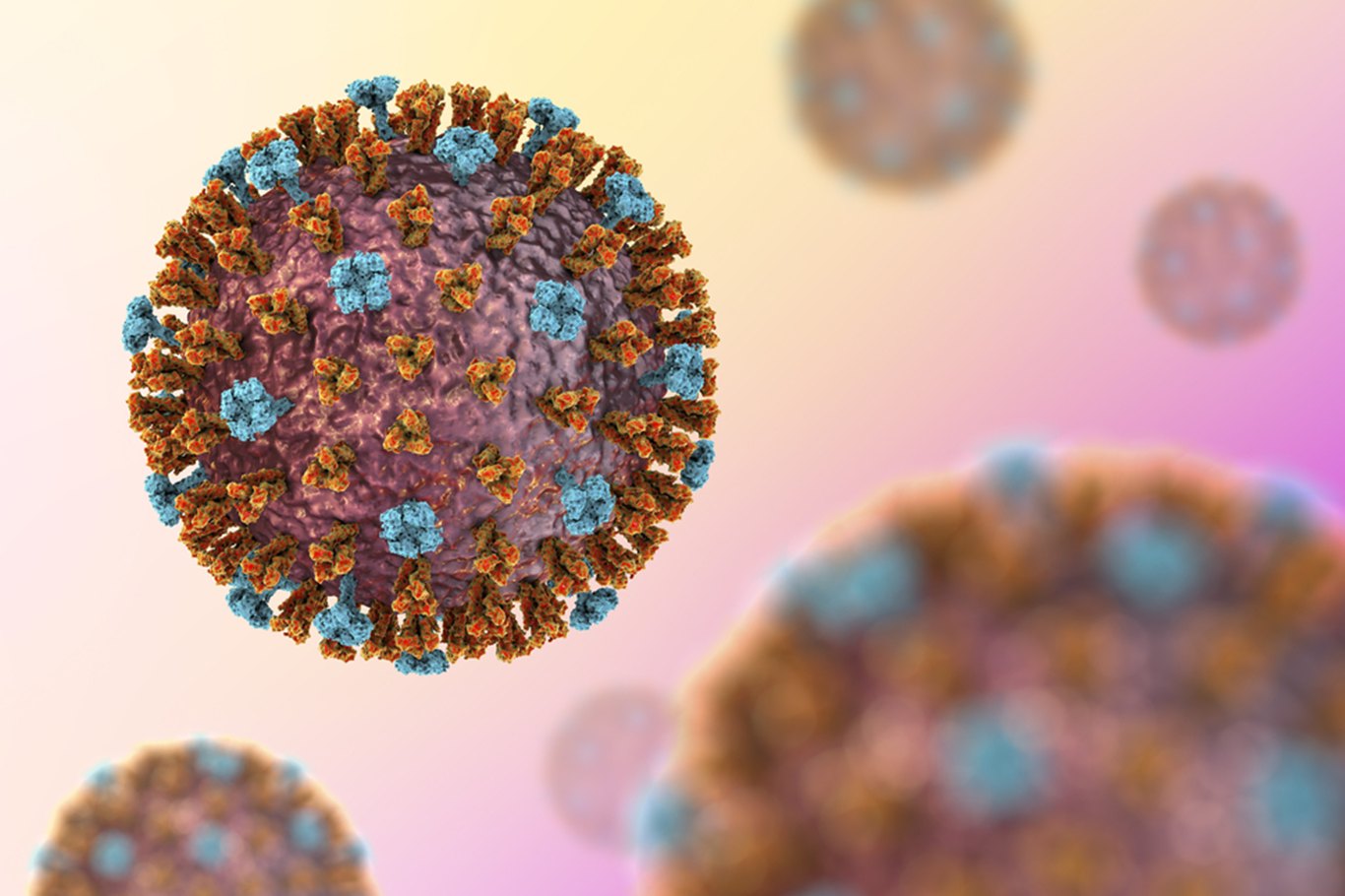
Measles killed an estimated 72,000 people worldwide in 2025, the vast majority of them children under the age of 5, despite the availability of a safe and cost-effective vaccine, the World Health Organization (WHO) has said.
In a report outlining the risks, symptoms, transmission and prevention of the highly contagious disease, the WHO said vaccination efforts had prevented more than 60 million deaths between 2000 and 2025.
The estimated annual measles death toll fell from 770,000 in 2000 to 72,000 in 2025, largely due to immunization campaigns led by countries, the WHO, the Measles & Rubella Partnership and other international partners.
Measles is a viral disease that spreads through the air when an infected person coughs, sneezes or breathes. It primarily affects children and can cause serious complications, including pneumonia, blindness, brain inflammation, severe diarrhoea and dehydration.
The disease typically begins with a high fever, cough, runny nose and red, watery eyes, followed by a distinctive rash that usually appears on the face and upper neck before spreading across the body.
The WHO warned that complications are particularly common among children under 5, adults over 30, malnourished children and people with weakened immune systems. Infection during pregnancy can also increase the risk of miscarriage, premature birth and low birth weight.
According to the organization, measles remains widespread in parts of Africa, the Middle East and Asia, with most deaths occurring in countries with low incomes and weak health infrastructure.
Conflict, natural disasters and damaged health services can further increase the risk by disrupting routine immunization, while overcrowding in displacement camps facilitates the spread of infection.
The virus can remain active in the air or on contaminated surfaces for up to two hours, and one infected person can transmit the disease to as many as 18 others. Infected individuals can spread the virus from four days before the rash appears until four days afterward.
The WHO stressed that vaccination remains the most effective way to prevent infection and outbreaks, recommending two doses of the measles vaccine to ensure immunity.
However, global vaccination coverage remains insufficient. In 2025, approximately 84 percent of children worldwide received their first measles vaccine dose by their first birthday, while only 77 percent received both recommended doses.
An estimated 29 million infants remained under-protected against measles during the year, according to WHO and UNICEF estimates.
The organization said there is no specific antiviral treatment for measles, with medical care focusing on relieving symptoms and preventing complications. It recommends two doses of vitamin A for children under 5 with suspected measles, administered under medical supervision, to help reduce the risk of serious complications and death.
The WHO also warned that measles elimination efforts are under threat, as outbreaks have resurfaced in several countries that had achieved or were approaching elimination status.
It said sustained vaccination campaigns, improved disease surveillance and stronger health systems remain essential to preventing further outbreaks and reducing deaths from the vaccine-preventable disease. (ILKHA)
LEGAL WARNING: All rights of the published news, photos and videos are reserved by İlke Haber Ajansı Basın Yayın San. Trade A.Ş. Under no circumstances can all or part of the news, photos and videos be used without a written contract or subscription.
Meningitis cases are rising rapidly among children in the Gaza Strip amid deteriorating living conditions, damaged water and sewage networks, and mounting waste and wastewater in residential neighborhoods and displacement camps, the World Health Organization (WHO) warned on Friday.

Gaza's Health Ministry has warned of a worsening healthcare crisis after medical fabrics and clothing supplies were completely depleted across its warehouses, hospitals and healthcare facilities.

The World Health Organization (WHO) has warned that major gaps in diagnosis, treatment and funding continue to put patients at risk from antimicrobial resistance (AMR), despite a growing number of countries adopting national action plans to tackle the threat.