Türkiye targets 77% renewable energy share in installed capacity by 2040
 13 oC

Güneşli

The country's new energy roadmap envisages 281 GW of total installed capacity, $190 billion in investment and a major expansion of wind, solar and nuclear power.
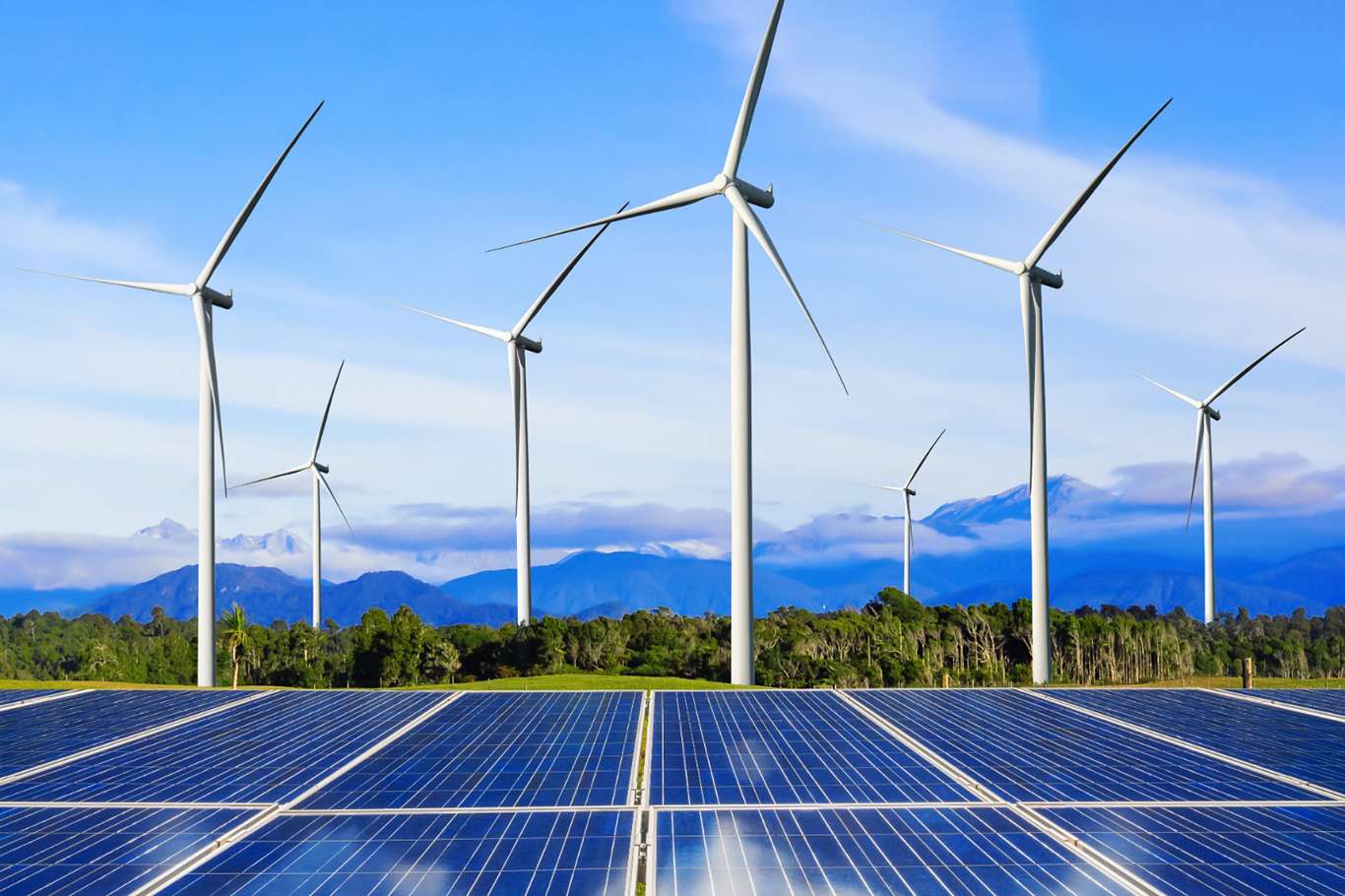
Türkiye aims to increase the share of renewable energy in its total installed power capacity to 77% by 2040, up from the current 63%, as part of an ambitious national strategy to strengthen energy security and reduce dependence on imports.
Energy and Natural Resources Minister Alparslan Bayraktar unveiled the government's National Energy 2040 roadmap on Thursday, outlining plans to expand electricity generation, accelerate electrification and increase domestic energy production.
Under the strategy, Türkiye's total installed power capacity is projected to rise from approximately 123 gigawatts (GW) in 2025 to 281 GW by 2040.
The government expects the expansion to require around $190 billion in investment, with approximately 95% directed towards zero- or low-emission energy sources, primarily renewables.
Speaking at the presentation, Bayraktar said the country needed to increase its installed capacity substantially over the next 13 to 14 years to meet growing demand and secure its energy future.
"Our goal for 2040, in the 'Century of Türkiye,' is to make Türkiye energy-independent," he said.
$100 billion investment planned for wind and solar
Wind and solar power will play a central role in the new strategy, with Türkiye targeting a combined installed capacity of 175 GW by 2040, including offshore wind projects.
The target represents a significant increase from the current combined wind and solar capacity of approximately 44–45 GW and is expected to require around $100 billion in investment.
Bayraktar recalled that President Recep Tayyip Erdoğan had announced a target during COP29 to quadruple Türkiye's wind and solar capacity to 120 GW by 2035, compared with approximately 30 GW at the time.
The minister also announced a target of 6 GW in offshore wind capacity by 2040, with the first tender planned for April 2027.
He described renewable energy as increasingly competitive but stressed the importance of expanding domestic manufacturing of equipment to support the sector's growth.
Electrification to reach 36% by 2040
The roadmap also places strong emphasis on electrification, with the government aiming to increase electricity's share of total final energy consumption in Türkiye to 36% by 2040.
Electricity demand is projected to rise from 365 terawatt-hours (TWh) to 551 TWh and eventually reach 680 TWh by 2040, according to Bayraktar.
The minister identified electric vehicles, data centres, electrolysers and heat pumps as major drivers of future electricity consumption.
Türkiye's overall energy demand is projected to reach 230 million tonnes of oil equivalent by 2040 before accounting for efficiency gains. The strategy aims to reduce this figure to 199 million tonnes through electrification and improved energy efficiency.
Bayraktar said the measures could generate savings of approximately $240 billion by reducing energy consumption and dependence on imported fuels.
He also highlighted the importance of modernising electricity infrastructure to accommodate rising demand and support the country's industrial transformation.
Nuclear power capacity targeted at 10 GW
Nuclear energy is another key component of the roadmap, with Türkiye aiming to reach 10 GW of installed nuclear capacity by 2040.
The target includes the Akkuyu Nuclear Power Plant, currently under construction in Mersin, and an additional 5 GW of nuclear capacity.
Bayraktar described the 10 GW target as an intermediate step towards the country's longer-term ambition of reaching 20 GW of nuclear capacity in the 2050s.
He also recalled that Türkiye had joined an international declaration supporting efforts to triple global nuclear power capacity by 2050.
Energy security and domestic resources
The minister identified five priority areas in the 2040 strategy: energy efficiency, nuclear power, renewable energy, oil and natural gas, and mining.
He said rising electricity demand, population growth, urbanisation and climate change would create significant challenges for energy security.
Türkiye's population is projected to reach 93 million by 2040, while expanding data centres and increasing demand for air conditioning are expected to put additional pressure on electricity supplies.
Bayraktar also stressed the need to reduce the country's energy import bill, which has averaged between $65 billion and $70 billion annually in recent years, contributing to pressure on the current account balance.
He said oil and natural gas would remain part of Türkiye's energy mix despite the expansion of renewables, adding that the country needed to intensify exploration activities.
The minister also highlighted the potential of Türkiye's domestic mineral resources, announcing that the government intends to introduce a separate mining-sector roadmap by 2027.
COP31 and global energy transition
Bayraktar said global developments, including geopolitical conflicts, trade disputes and growing competition over energy resources, had influenced the preparation of the new strategy.
He also pointed to the importance of artificial intelligence and critical minerals, warning that Türkiye would need stronger electricity infrastructure and secure access to essential raw materials to remain competitive.
The roadmap comes ahead of COP31, the UN climate conference that Türkiye is due to host in Antalya in November 2026.
Bayraktar also highlighted a proposed global target, known as "35 by 35", which would seek to increase electricity's share of global final energy consumption to 35% by 2035, from approximately 23–24% currently.
The minister said Türkiye's new energy strategy was designed to balance rising demand, environmental objectives and supply security while reducing the country's reliance on imported energy. (ILKHA)
LEGAL WARNING: All rights of the published news, photos and videos are reserved by İlke Haber Ajansı Basın Yayın San. Trade A.Ş. Under no circumstances can all or part of the news, photos and videos be used without a written contract or subscription.
Türkiye aims to increase its combined installed wind and solar power capacity to 175 gigawatts (GW) under its National Energy 2035 Vision, with plans to attract $100 billion in new investments to accelerate the country's clean energy transition.
Türkiye’s annual consumer inflation fell by 3.1 percentage points to 29.8 percent, with the disinflation process spreading across most major categories, Treasury and Finance Minister Mehmet Şimşek said.
Türkiye's goods exports reached a record high for October, rising 8.1% year-on-year to $25.9 billion, Trade Minister Ömer Bolat said on Tuesday, as the country's annualized exports surpassed the government's target.