Türkiye’s unemployment rate drops to 9.4% in 2023
 13 oC
13 oC 
Güneşli

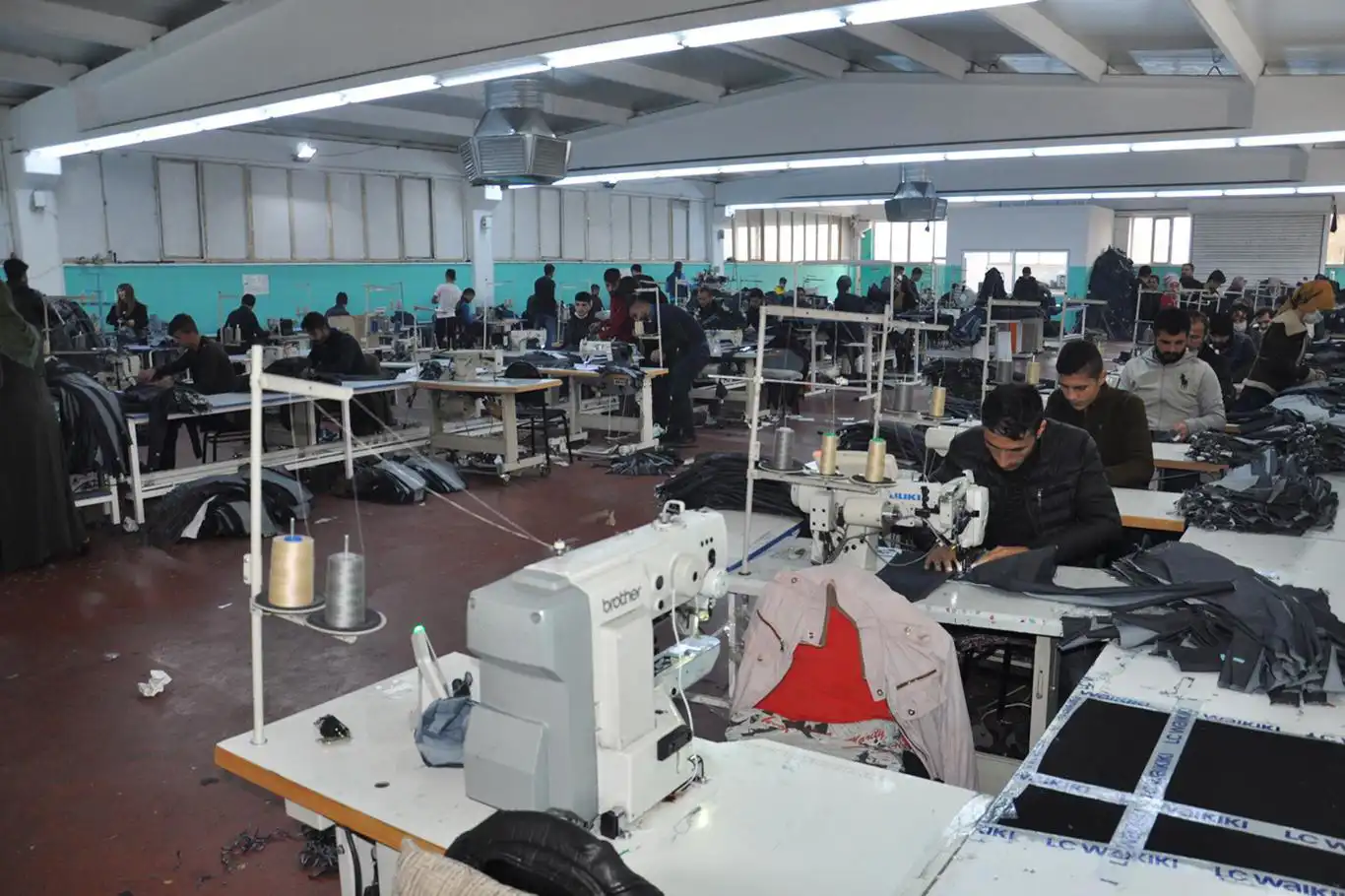
The Turkish Statistical Institute (TurkStat) released its annual labor market report, revealing positive trends in overall employment and a decrease in the national unemployment rate for 2023. However, the data also sheds light on persisting regional disparities that require further attention.
The unemployment rate dropped to 9.4% in 2023, reflecting a decrease of 1.0 percentage point compared to the previous year. This translates to a welcome reduction of 318,000 unemployed individuals aged 15 and over. The report further highlights a gender gap in unemployment, with a lower rate for men (7.7%) compared to women (12.6%).
The positive trend extends to employment, with the rate climbing to 48.3% in 2023. This represents an increase of 880,000 employed persons and is accompanied by a rise in the labor force participation rate to 53.3%. The service sector emerged as the primary driver of this growth, accounting for 57.6% of total employment. While construction and services witnessed increases, the share of employment in agriculture saw a slight decline to 14.8%.
The youth unemployment rate (15-24 age group) also showed improvement, falling to 17.4%, a decrease of 2.0 percentage points. This suggests a potentially brighter outlook for young Turkish job seekers entering the workforce.
While the national figures offer encouraging signs, the report underscores significant regional disparities in unemployment and employment rates. The TRB2 region in eastern Türkiye, encompassing Van, Muş, Bitlis, and Hakkari, had the highest unemployment rate at a concerning 17.2%. Conversely, the TR82 region in the north (Kastamonu, Çankırı, Sinop) enjoyed the lowest rate at 4.9%.
The TR21 region in the northwest (Tekirdağ, Edirne, Kırklareli) emerged as the leader in employment, boasting a rate of 54.5%. This region also had the highest labor force participation rate at 59.0%. On the other hand, the TRC3 region in the southeast (Mardin, Batman, Şırnak, Siirt) had the lowest employment rate (37.5%) and labor force participation rate (42.3%).
The TurkStat report provides valuable insights into the current state of the Turkish labor market. The overall decrease in unemployment and increase in employment are positive developments. However, addressing the persistent regional disparities will be crucial for ensuring equitable opportunities and a more robust national labor market. By focusing on targeted policies and initiatives in high-unemployment regions, Türkiye can strive for a more inclusive and prosperous job market for all its citizens. (ILKHA)
LEGAL WARNING: All rights of the published news, photos and videos are reserved by İlke Haber Ajansı Basın Yayın San. Trade A.Ş. Under no circumstances can all or part of the news, photos and videos be used without a written contract or subscription.
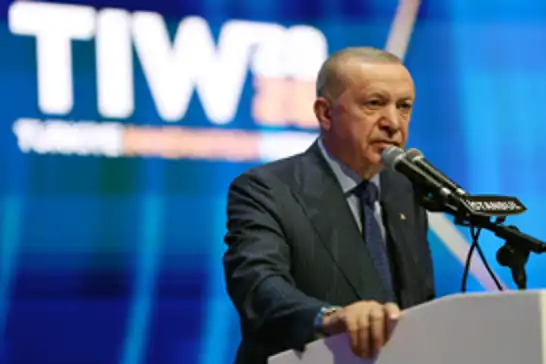
Türkiye’s research and development spending has risen to $20 billion from $1.2 billion in 2002, President Recep Tayyip Erdogan said on Friday, highlighting efforts to strengthen the country’s position in the global technology race.

Istanbul accounted for 25.6% of household consumption expenditure in Türkiye, followed by the Aegean region with 14.5% and the Mediterranean region with 12.6%, Turkish Statistical Institute data showed on Friday.
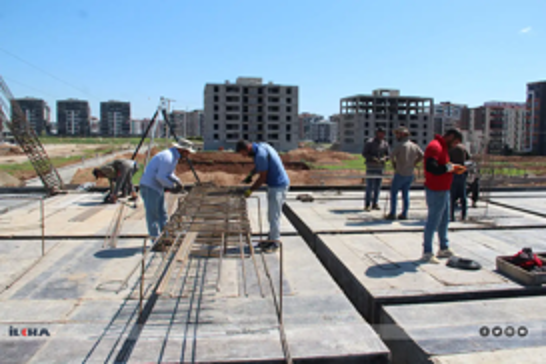
Türkiye’s construction production increased by 2.3% year-on-year in August 2026, the Turkish Statistical Institute (TurkStat) said in statement on Thursday.

The European Union and Türkiye have agreed to pursue closer trade cooperation and address outstanding market-access barriers after their third High-Level Dialogue on Trade in Brussels, as bilateral goods trade reached a record €217.6 billion in 2025.