Trump’s remark fuels debate over anti-Islam sentiment in US politics
 13 oC
13 oC 
Güneşli

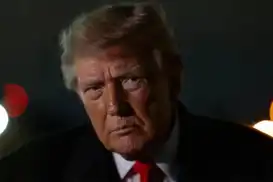
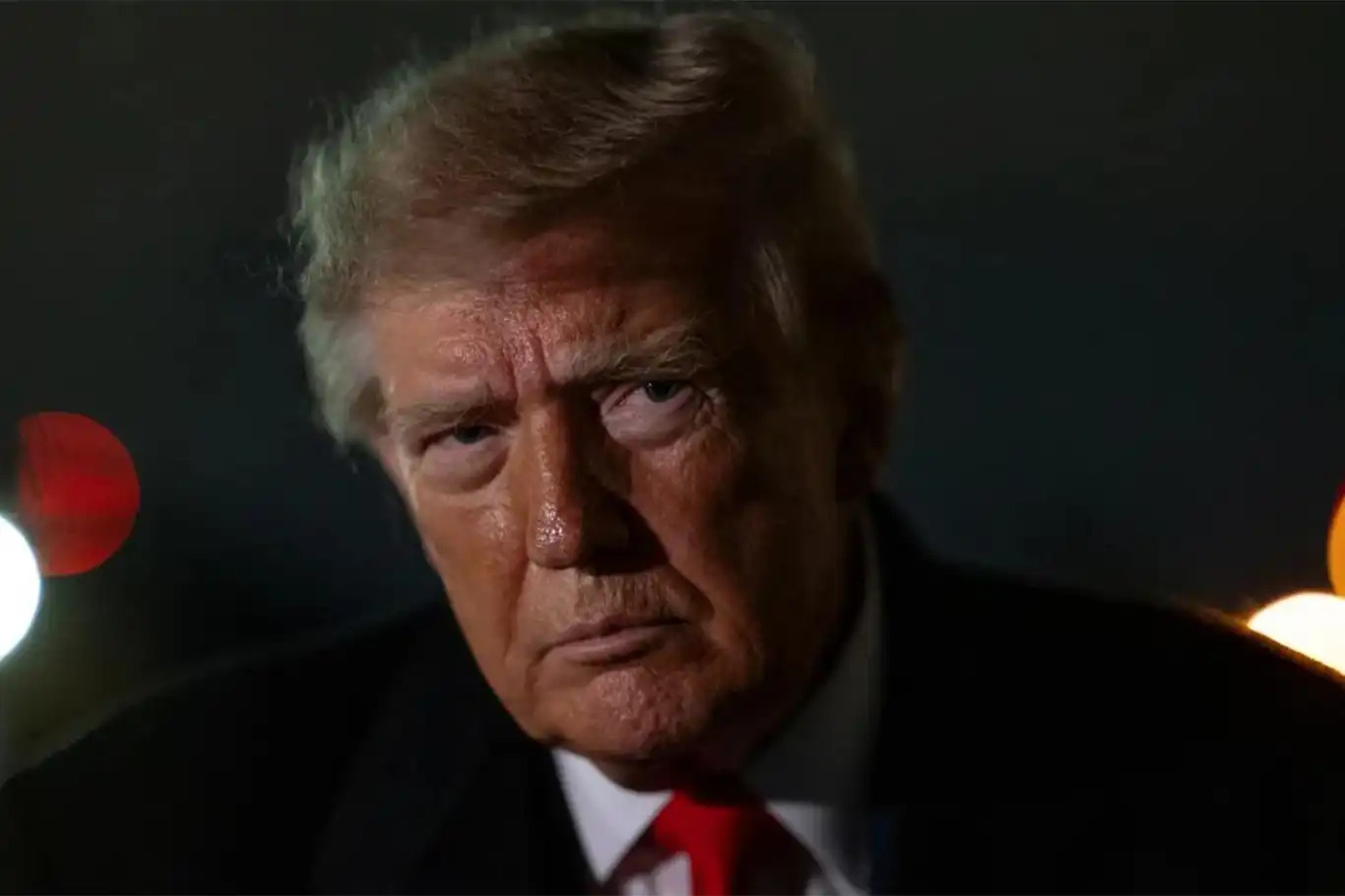
US President Donald Trump has drawn criticism after making remarks about the name “Muhammad” at an election rally in Georgia, prompting renewed concerns over the stereotyping of Muslims and the growing normalisation of anti-Islamic rhetoric in American political discourse.
Speaking at a rally held in a hangar at Dalton Municipal Airport on October 16 to support Republican candidates ahead of the midterm elections, Trump said it was difficult to remember names in the Middle East and told the crowd: “If you don’t know someone’s name, just say ‘Muhammad,’ because there are a lot of that name there.”
The remarks have sparked concern over what critics describe as a dismissive portrayal of the Muslim world, reducing its diverse peoples and cultures to a single religious and cultural stereotype.
The name Muhammad holds profound significance for Muslims worldwide, as it is the name of the final Prophet of Islam, revered by nearly two billion Muslims. Critics argue that using it as a punchline risks trivialising a name that carries deep religious and spiritual meaning for the Muslim community.
The controversy has also renewed scrutiny of anti-Muslim rhetoric in US political circles, where critics say references to Islam and Muslim communities are increasingly framed through suspicion, hostility and sweeping generalisations.
Critics warn against stereotyping Muslims
Trump’s remarks have also been discussed alongside his repeated references to former US Army Major Nidal Malik Hasan, who killed 13 people and wounded 32 others in a 2009 shooting at Fort Hood military base in Texas. Hasan was convicted for the attack, and reports that Trump approved his execution by firing squad have brought renewed attention to the case.
The proposed execution has attracted further scrutiny because it would mark the US Army’s first firing-squad execution in decades, following the 1945 execution of Private Eddie Slovik for desertion during World War II.
Critics argue that repeatedly invoking the name Muhammad in connection with Hasan risks reinforcing the false impression that an individual's actions can be associated with an entire religious community.
They stress that the actions of any individual must not be used to stigmatise millions of Muslims who have no connection to violence. Islam, they note, is a diverse global faith whose followers come from different ethnic, linguistic and national backgrounds and whose lives cannot be reduced to the conduct of a single person.
For Muslim communities, the concern extends beyond one political rally. Critics warn that rhetoric from senior political leaders can influence public attitudes, deepen prejudice and make discriminatory treatment of religious minorities appear acceptable.
Hegseth’s remarks intensify concerns over anti-Islam rhetoric
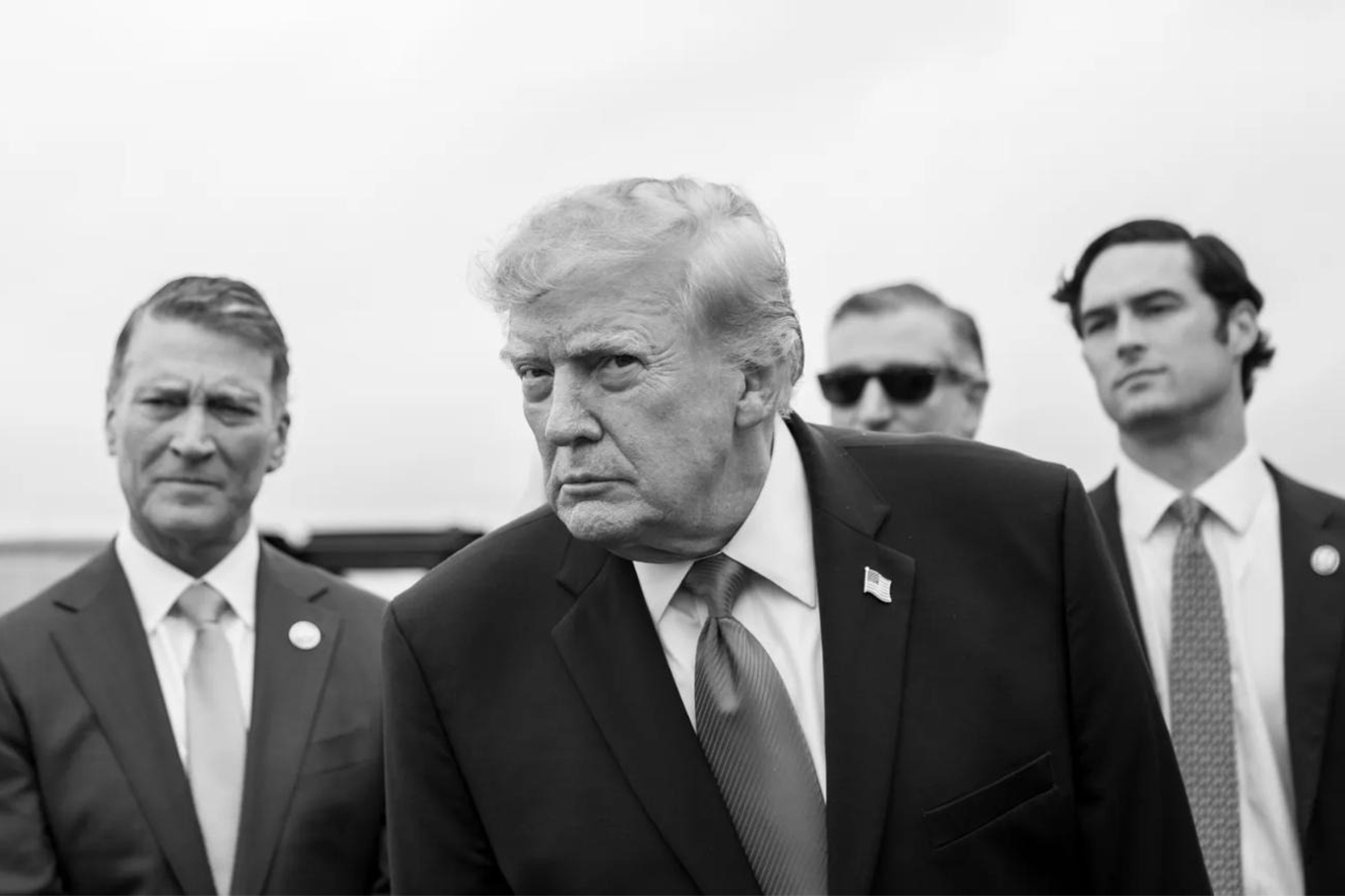
Further concerns have centred on US Defense Secretary Pete Hegseth, whose reported remarks included references to an “Islamist enemy” and to “regimes that believe in the delusions of the Islamic prophet.” Critics say such language risks blurring the distinction between specific political adversaries and Islam as a religion followed by people across the world.
Hegseth’s Arabic tattoo reading “kafir,” meaning “infidel,” has also drawn attention amid scrutiny of his views on Islam. Critics argue that the combination of religiously charged language and political rhetoric warrants closer examination of how Islam and Muslim populations are represented within the US administration.
The debate carries wider implications given the legacy of US military interventions in Muslim-majority countries, including Iraq, Afghanistan, Yemen and Syria. These conflicts have brought profound human suffering, displacement and instability to millions of people, while Washington’s policies towards Iran and its broader regional posture continue to fuel concerns about the risk of further confrontation.
For critics of the administration, the issue is therefore not limited to an ill-judged remark at an election rally. They see it as part of a wider pattern in which Muslim identity is too often portrayed as a source of suspicion and Islam is discussed through a lens of hostility rather than understanding.
They warn that when political leaders use language that reduces Muslims to stereotypes, it can undermine religious tolerance, encourage discrimination and deepen divisions between communities.
The controversy has once again highlighted the importance of distinguishing between individuals and the faiths they profess. Critics say public officials have a responsibility to avoid rhetoric that marginalises religious communities and to recognise the dignity of Muslims, whose religious identity and cultural diversity should not be used as instruments of political ridicule. (ILKHA)
LEGAL WARNING: All rights of the published news, photos and videos are reserved by İlke Haber Ajansı Basın Yayın San. Trade A.Ş. Under no circumstances can all or part of the news, photos and videos be used without a written contract or subscription.
Twelve years after the October 6-8, 2014 violence in southeastern Türkiye, questions over accountability and the course of the judicial process continue to be raised by victims' families and their lawyers.
For more than a decade, Najmuddin Gotsinskii stood at the center of the North Caucasus’ turbulent struggle against Bolshevik rule, combining religious authority with political and military leadership in an effort to preserve Islamic institutions and establish a society governed by sharia.
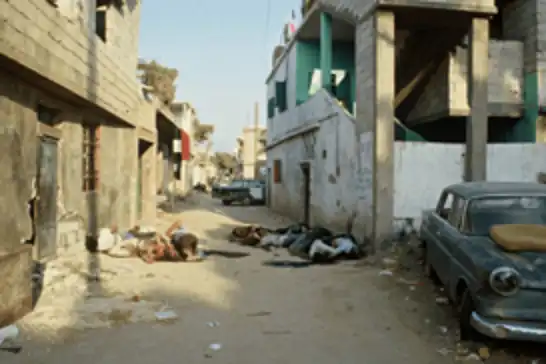
Forty-four years have passed since Sabra and Shatila became synonymous with one of the darkest chapters in the history of Palestinian refugees in Lebanon.